Should I Fix Wood-Destroying Insect Damage Before Selling a Home in Coastal North Carolina?
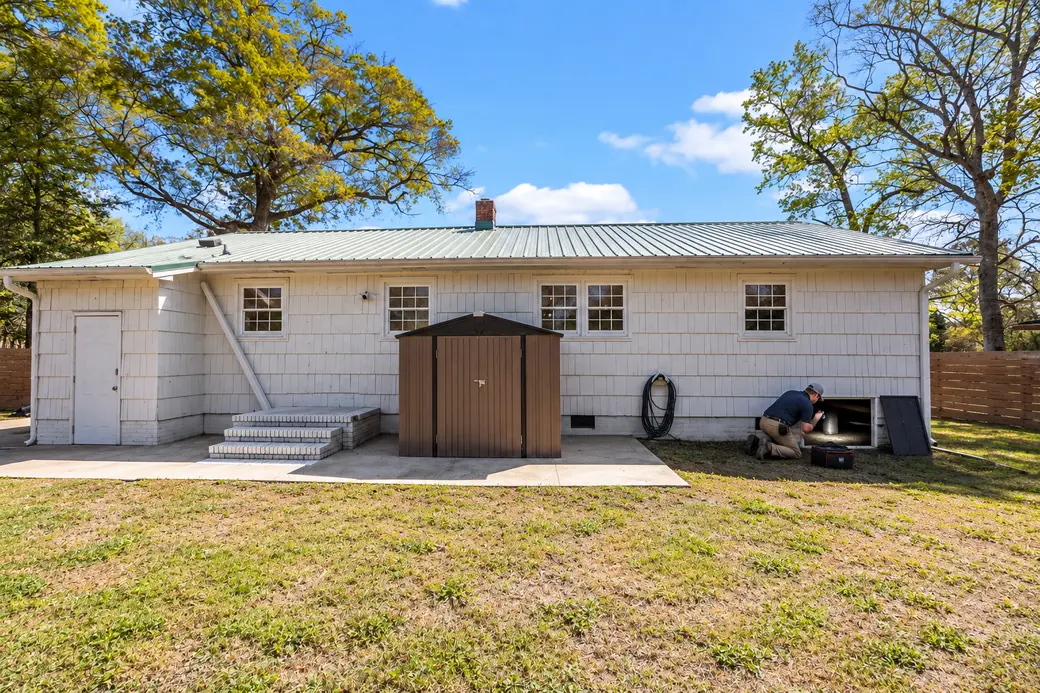
Should I Fix Wood-Destroying Insect Damage Before Selling a Home in Coastal North Carolina?
If your home has termite damage, carpenter ant damage, powderpost beetle damage, or other wood-destroying insect issues, it is often worth addressing the problem before listing your home for sale. However, the right approach depends on the extent of the damage, whether the infestation is active or inactive, and how the repairs may affect buyer confidence.
For many sellers in Surf City, Topsail Beach, North Topsail Beach, Holly Ridge, Sneads Ferry, Wilmington, Jacksonville, Pender County, and Onslow County, the goal is not necessarily to create a "perfect" property. The goal is to reduce surprises, strengthen buyer confidence, and avoid unnecessary delays during the transaction.
Why Wood-Destroying Insect Damage Matters to Buyers
Most buyers become concerned when they hear terms such as:
- Termite damage
- Active termite infestation
- Powderpost beetles
- Carpenter ants
- Wood damage in crawl spaces
- Structural wood repairs
In Coastal North Carolina, crawl spaces, elevated homes, moisture exposure, and humid conditions can make buyers particularly attentive to potential insect and moisture-related concerns.
Even when damage is older and no active infestation exists, buyers often worry about:
- Hidden structural problems
- Future repair costs
- Insurance concerns
- Financing complications
- Whether the damage was properly repaired
When buyers are uncertain, they may request repairs, negotiate a price reduction, ask for credits, or simply move on to another property.
Not All Wood-Destroying Insect Damage Is the Same
One of the biggest misconceptions sellers have is that any evidence of wood-destroying insects automatically makes a home difficult to sell.
In reality, many older North Carolina homes contain some history of wood-destroying insect activity. The presence of prior damage does not automatically prevent a sale. North Carolina's Wood-Destroying Insect Report (WDIR) is designed to disclose visible evidence of wood-destroying insects and related conditions rather than guarantee a completely damage-free structure. NC Agriculture
The key questions are:
- Is the infestation active or inactive?
- Has the issue been treated?
- Is there visible structural damage?
- Were repairs completed properly?
- Is documentation available?
The answers to those questions often matter more than the mere existence of prior damage.
Should You Repair the Damage Before Listing?
In many situations, the answer is yes.
When significant visible damage exists, repairing it before listing can provide several advantages:
Fewer Negotiations
Buyers are less likely to request major concessions when repairs have already been completed and documented.
Stronger Buyer Confidence
Buyers typically feel more comfortable making an offer when they can see that a problem was addressed proactively.
Smoother Inspections
Inspection findings are often easier to navigate when sellers can provide repair invoices, treatment records, and supporting documentation.
Better Marketing Position
Instead of explaining a known issue, you can demonstrate that the property has already been evaluated and repaired.
When Repairs May Not Be Necessary Before Listing
There are situations where immediate repairs may not make sense.
For example:
- The damage is minor and cosmetic.
- A qualified contractor has determined the damage is not structurally significant.
- The cost of repairs exceeds the likely return.
- The seller prefers to disclose the issue and price the property accordingly.
Every property is different. In some cases, providing professional evaluations and documentation may be sufficient for buyers to move forward comfortably.
Consider a Pre-Listing Evaluation
If you know or suspect there is wood-destroying insect damage, obtaining professional evaluations before listing can help you make informed decisions.
Depending on the circumstances, sellers may benefit from consulting:
- A licensed pest control professional
- A qualified contractor
- A structural engineer when structural concerns exist
North Carolina's Wood-Destroying Insect Report is intended to identify visible evidence of wood-destroying insects, but it is not a structural engineering report and does not determine the extent of structural damage. Structural evaluations are generally outside the scope of the WDIR process. NC Agriculture
Having professional documentation available before your home hits the market can reduce uncertainty and help you develop an appropriate selling strategy.
Coastal North Carolina Sellers Should Pay Attention to Moisture Conditions
In many Coastal North Carolina homes, moisture issues and insect activity are closely related.
Excessive crawl space moisture, wood-to-soil contact, and other conditions conducive to termite activity are commonly noted during wood-destroying insect inspections. NC Agriculture
If your property has:
- High crawl space moisture
- Standing water beneath the home
- Poor drainage
- Damaged vapor barriers
- Wood in contact with soil
it may be worthwhile to address those conditions as part of your overall preparation strategy before listing.
Documentation Can Be Just as Important as Repairs
If treatment or repairs have been completed, keep copies of:
- Pest treatment records
- Warranties
- Repair invoices
- Contractor reports
- Structural evaluations, when applicable
Documentation helps buyers understand what was done, when it was completed, and who performed the work. This can significantly reduce uncertainty during inspections and due diligence.
The Bottom Line
If your home has wood-destroying insect damage, repairing the issue before listing is often beneficial, especially when the damage is visible, significant, or likely to raise buyer concerns.
However, every property is different. Some situations call for repairs before listing, while others may be best handled through disclosure, documentation, pricing strategy, or professional evaluation.
The best approach depends on the property's condition, the local market, and the expectations of likely buyers.
If you're considering selling a home in Surf City, Topsail Beach, North Topsail Beach, Holly Ridge, Sneads Ferry, Wilmington, Jacksonville, Pender County, or Onslow County, Streamline Realty Team can help you evaluate how wood-destroying insect issues may affect your sale and determine the most practical strategy before your home goes on the market.
Categories
Recent Posts

GET MORE INFORMATION