
Do Open Houses Actually Sell Homes?
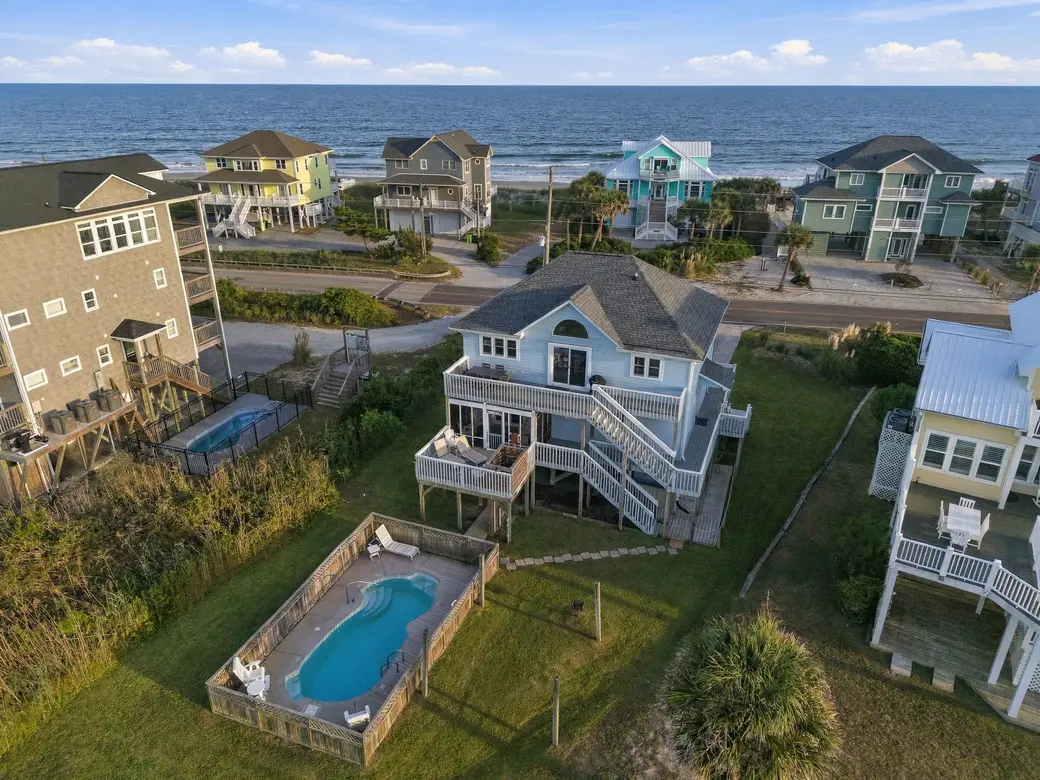
Do Open Houses Actually Sell Homes?
Yes, open houses can help sell homes, but they do not guarantee offers, and they are not always necessary for a successful sale.
An open house gives potential buyers an opportunity to tour a property without scheduling an individual appointment. It can generate additional exposure, encourage interested buyers to visit, and provide useful feedback about how the property is being received.
However, many buyers discover homes through online listings or their real estate agents before ever attending an open house.
For homeowners selling in Surf City, Topsail Beach, North Topsail Beach, Hampstead, Sneads Ferry, Wilmington, Jacksonville, and surrounding Coastal North Carolina communities, the decision to hold an open house should depend on the property, current market conditions, and overall marketing strategy.
The real question is whether an open house will create meaningful buyer interest in your specific property—not simply how many people might walk through the door.
1. How Often Do Buyers Actually Find Homes Through Open Houses?
According to the National Association of REALTORS® 2025 Profile of Home Buyers and Sellers, 52% of buyers found the home they purchased through the internet, while 27% found it through a real estate agent.
The report also identified yard signs and open house signs as a combined home-discovery category, accounting for approximately 5% of buyers.
These figures help illustrate how important online property exposure and real estate agents are in today's home search.
However, the yard sign/open house sign figure should not be interpreted as the percentage of homes sold because of an open house.
A buyer might discover a property on Zillow, visit the open house, return for a private showing, and ultimately submit an offer. In that situation, the buyer originally discovered the home online even though the open house may have contributed to the purchase decision.
An open house can influence a sale without being the original source of the buyer.
Source: National Association of REALTORS®, 2025 Profile of Home Buyers and Sellers.
2. What Are the Benefits of Holding an Open House?
An open house can provide several advantages when it is appropriate for the property.
Additional Property Exposure
An advertised open house creates another opportunity to promote a listing through real estate websites, social media, agent communication, and other marketing channels.
Convenient Access for Buyers
Some buyers appreciate being able to visit a property during a scheduled window rather than arranging an individual appointment.
This may be especially useful for buyers visiting several properties in one day.
An Opportunity to Experience the Property
Professional photographs and video are important, but they cannot communicate every aspect of a home.
An in-person visit allows buyers to experience the layout, natural light, room sizes, outdoor spaces, and overall setting.
Buyer Feedback
An open house may provide insight into how visitors respond to the property's condition, presentation, features, and asking price.
Feedback should be considered alongside private showing activity and broader market conditions rather than treated as a definitive measure of value.
Additional Buyer Interest
An interested visitor may request more information, schedule a second showing, or decide to discuss the property with their real estate agent.
None of these outcomes is guaranteed, but each can contribute to the overall marketing effort.
3. Do Open Houses Attract Serious Buyers or Just Curious Neighbors?
Open houses can attract both.
Visitors may include:
-
Buyers actively searching for a home.
-
Buyers who recently started exploring the market.
-
Buyers visiting the area from another city or state.
-
Neighbors interested in the property.
-
Real estate agents previewing homes for clients.
-
People who are simply curious about the home.
A large turnout does not necessarily mean the property has attracted multiple qualified buyers.
For example, an open house with 20 visitors who are primarily neighbors may generate less meaningful buyer interest than an event with three visitors who are actively searching and financially prepared to purchase.
The quality of buyer interest matters more than attendance alone.
Sellers should ask their listing agent what type of interest the event generated rather than focusing exclusively on the number of visitors.
4. Are Open Houses More Effective for Certain Types of Homes?
Some properties may benefit more from an open house than others.
Coastal and Waterfront Properties
Homes with ocean views, Intracoastal Waterway views, marsh views, outdoor living areas, or other distinctive features may benefit from an opportunity for buyers to experience the setting in person.
For example, a buyer considering a Topsail Island property may want to understand how the living spaces connect to the decks, views, and surrounding environment.
Homes With Unique Layouts
A property with an unusual floor plan, flexible living spaces, or extensive renovations may be easier to appreciate during an in-person visit.
Properties in Convenient Locations
Homes that are relatively easy for interested buyers to visit may be good candidates for scheduled open houses.
Homes Appealing to Out-of-Town Buyers
Coastal North Carolina attracts interest from people considering relocation, second homes, and vacation properties.
An open house may provide a convenient viewing opportunity for buyers who are already visiting the area.
However, out-of-town buyers may also prefer scheduled private showings that fit their travel plans.
The property's location, condition, price, and current buyer demand should all be considered before deciding whether an open house is worthwhile.
5. Can an Open House Help a Home Sell Faster?
Possibly, but an open house does not automatically shorten the time a property spends on the market.
A successful event may introduce the home to an interested buyer or encourage someone who has already seen the listing online to take a closer look.
However, the property's asking price, condition, competition, and overall market demand generally remain important factors in determining buyer response.
An open house cannot reliably overcome significant pricing or presentation problems.
If a home is priced above comparable competing properties, holding additional open houses may not resolve the underlying issue.
Similarly, if a property has limited buyer interest because of its condition or location, an open house may reveal those concerns without necessarily producing an offer.
Open houses work best as part of a coordinated marketing strategy—not as a substitute for appropriate pricing and professional presentation.
6. When Might an Open House Not Be Worthwhile?
There are circumstances when a private-showing strategy may be more appropriate.
An open house may provide limited additional value when:
-
The property is already receiving strong interest through private showings.
-
The Seller has significant privacy or security concerns.
-
The home is occupied by tenants or has scheduling limitations.
-
The property requires specialized access or advance coordination.
-
The likely buyer audience is relatively narrow.
-
The home is under contract and additional public access would not serve the Seller's goals.
For example, an occupied vacation rental on Topsail Island may have guest schedules that make a public open house difficult to coordinate.
A luxury waterfront property with specific access considerations may be better suited to individually scheduled appointments.
These are property-specific decisions. An open house is not automatically better or worse than private showings.
7. Should I Have an Open House During the First Weekend My Home Is Listed?
The first weekend can be a reasonable time to consider an open house because the listing is newly available and initial marketing activity may be attracting attention.
A coordinated launch might include professional photography, MLS distribution, online listing exposure, social media promotion, and an advertised open house.
However, there is no universal requirement that a Seller hold an open house immediately after listing.
The appropriate timing depends on the property's readiness, Seller availability, marketing schedule, and local market conditions.
For a coastal property, factors such as vacation rental occupancy, access arrangements, and weather may also affect scheduling.
A listing agent should explain why the proposed timing makes sense for the specific property.
8. What Should My Realtor Do Before and After an Open House?
A well-planned open house involves more than unlocking the front door.
Before the Event
Your listing agent should discuss the purpose of the open house, confirm that the property is ready for visitors, coordinate access, and determine how the event will be promoted.
Promotion may include the MLS, applicable real estate websites, social media, and communication with other agents.
Sellers should also discuss security precautions, including removing valuables, prescription medications, sensitive documents, and personal information.
During the Event
The hosting agent should be prepared to provide accurate property information, answer questions, and communicate relevant details about the home.
The agent should also manage visitor access and follow appropriate safety procedures.
After the Event
The Seller should receive a useful summary of the activity, which may include:
-
Approximate visitor attendance.
-
General level of buyer interest.
-
Questions raised about the property.
-
Feedback concerning price, condition, or features.
-
Requests for additional information or showings.
-
Recommended next steps, if any.
The purpose is to determine whether the event generated useful information or meaningful buyer activity.
9. Do Open Houses Benefit Sellers or Real Estate Agents More?
Open houses can benefit both, but the Seller's interests should remain the priority when deciding whether to hold one.
For a Seller, the potential benefits include additional exposure, buyer visits, feedback, and opportunities for interested buyers to pursue the property.
For an agent, an open house may also provide an opportunity to meet prospective clients who are interested in other properties or future real estate services.
These benefits are not necessarily in conflict.
However, Sellers should feel comfortable asking how the proposed open house is expected to help market their specific property.
An open house should have a property-marketing purpose, not simply serve as an agent's opportunity to meet new clients.
10. How Does Streamline Realty Team Evaluate Open Houses?
At Streamline Realty Team, an open house should be considered within the broader marketing strategy for the property.
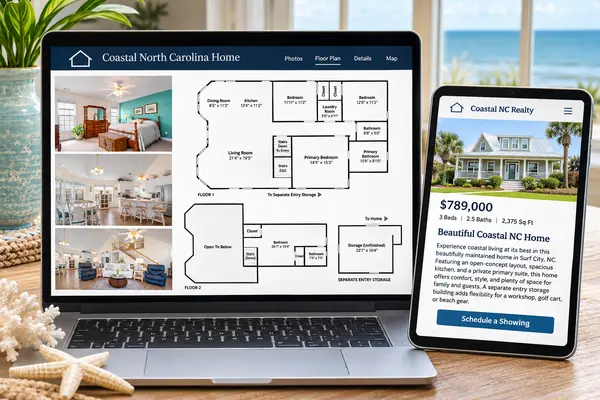
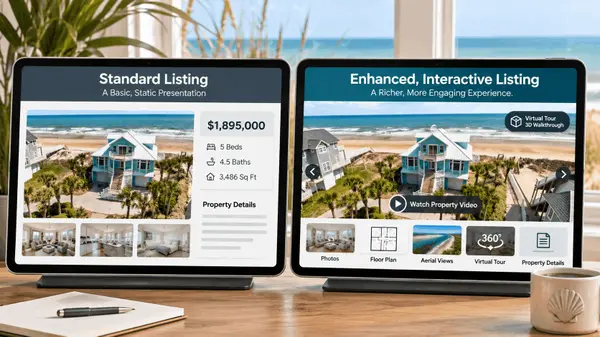
Depending on the listing, marketing services may include professional photography, video, aerial imagery, floor plans, MLS distribution, social media promotion, enhanced online listing presentation, and showing-feedback monitoring.
An open house can complement these efforts when there is a practical reason to hold one.
For example, a Surf City home with appealing outdoor living spaces may benefit from an opportunity for buyers to experience the property in person.
A waterfront home in Hampstead or Sneads Ferry may warrant a more tailored showing strategy based on its features, access, and likely buyer interest.
The decision should reflect the property rather than a one-size-fits-all marketing checklist.
11. What Should Sellers Ask Their Realtor About Open Houses?
Before agreeing to an open house, consider asking:
-
Why do you recommend an open house for my property?
-
What type of buyer interest are we hoping to generate?
-
How will the event be advertised?
-
What precautions will be taken to protect the property?
-
How will you evaluate the results?
-
Will you provide a summary of attendance and feedback?
-
Would private showings be a better strategy?
-
If the first open house produces little interest, what should we do next?
These questions help ensure the event is connected to a broader plan for selling the home.
So, Do Open Houses Actually Sell Homes?
Open houses can contribute to a successful home sale, but they are only one part of the process.
They may introduce buyers to a property, encourage in-person visits, provide feedback, and create opportunities for additional interest.
However, a well-attended open house does not guarantee an offer, and a home can sell successfully without ever hosting one.
For Coastal North Carolina Sellers, the best approach is to evaluate whether an open house will meaningfully support the property's pricing, presentation, exposure, and showing strategy.
If you are considering selling a home in Surf City, Topsail Beach, North Topsail Beach, Hampstead, Holly Ridge, Sneads Ferry, Wilmington, Jacksonville, Pender County, or Onslow County, Streamline Realty Team can help you evaluate the marketing options appropriate for your property.
Contact Streamline Realty Team to discuss your home's value, current market competition, and a property-specific plan for attracting qualified buyers.
Streamline Realty Team | Powered by Real Broker, LLC
Categories
Recent Posts


GET MORE INFORMATION