
Does Email Marketing Help Sell a Home?

Does Email Marketing Help Sell a Home?
Yes, email marketing can help sell a home by introducing a property to potential buyers, sharing new listing information with real estate agents, and keeping interested contacts informed about price changes and other listing updates.
However, sending an email does not automatically generate buyer interest or produce an offer. The effectiveness of email marketing depends on who receives the message, how relevant the property is to those recipients, and whether the email gives them a reason to learn more.
For homeowners selling in Surf City, Topsail Beach, North Topsail Beach, Hampstead, Sneads Ferry, Wilmington, Jacksonville, and surrounding Coastal North Carolina communities, email can be another useful component of a broader property-marketing strategy.
The goal is not simply to send your listing to as many email addresses as possible. It is to put the property in front of people who may have a legitimate interest in seeing it.
1. How Does Email Marketing Work When Selling a Home?
Email marketing allows a Realtor to distribute property information directly to selected contacts through email.
Depending on the marketing strategy, this may include:
-
New listing announcements.
-
Professional property photographs.
-
Property descriptions and highlights.
-
Links to the complete online listing.
-
Open house announcements.
-
Price improvement notifications.
-
Updates about a property's availability.
-
Follow-up information for interested buyers and agents.
An email can provide a convenient way for recipients to review a property and share it with someone who may be interested.
For example, an email featuring a waterfront home in Hampstead might highlight its water access, outdoor living areas, and property features before directing recipients to the complete listing.
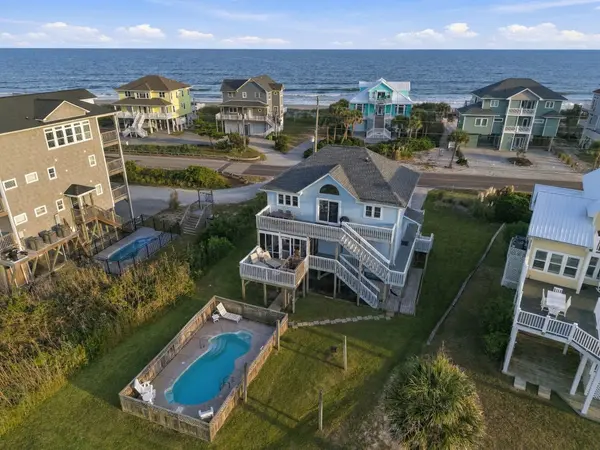
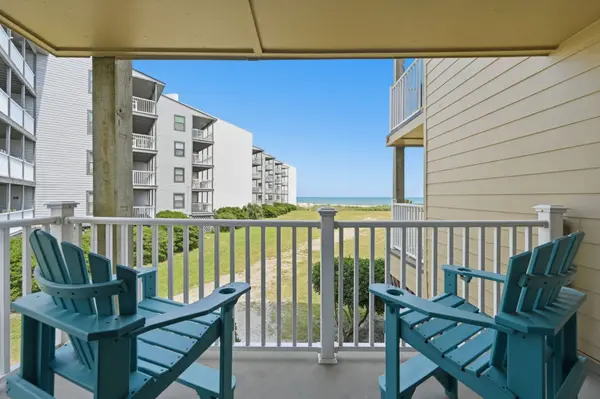
A Topsail Island beach property might be introduced through photographs and information about its coastal setting, views, and available amenities.
The content should be accurate, visually appealing, and relevant to the people receiving it.
2. Who Should Receive an Email About My Home?
The audience is one of the most important parts of an email marketing strategy.
Sending a listing announcement to a large, unrelated contact list may create very little meaningful interest. A more targeted approach considers who might actually be interested in the property.
Potential recipients may include:
Active Buyers
Buyers who have expressed interest in a particular location, price range, or property type may appreciate receiving information about a new listing that fits their search.
Real Estate Agents
Other agents may have clients looking for a property similar to yours. Sharing listing information with agents can create another opportunity for the home to be considered.
Existing Contacts and Past Clients
People already familiar with an agent or real estate team may share a listing with friends, relatives, or acquaintances who are considering a move.
Interested Property Inquiries
People who have previously asked about a property or requested additional information may benefit from relevant listing updates.
The most useful email distribution is based on relevance rather than simply the size of the mailing list.
Housing-related advertising and outreach should also follow applicable fair housing requirements and privacy practices.
3. Can Email Marketing Reach Buyers Who Are Already Looking?
It can.
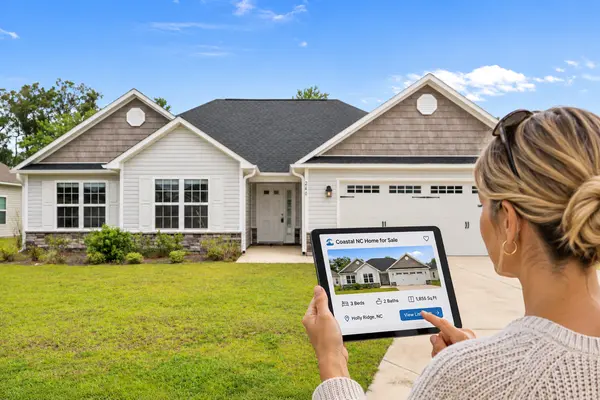
One advantage of email is that it can deliver property information directly to someone who has already expressed interest in a particular type of home or location.
For example:
-
A buyer searching for a beach home on Topsail Island may appreciate an announcement about a newly listed property.
-
Someone looking for a waterfront home in Sneads Ferry may want to see a listing with a dock or boat access.
-
A buyer relocating to the Wilmington area may appreciate information about homes that fit their stated search criteria.
Email can also help keep buyers informed when a listing's status or asking price changes.
The National Association of REALTORS® 2025 Profile of Home Buyers and Sellers found that 68% of buyers valued receiving property postings when a home was listed, its price changed, or it went under contract. The report also found that 48% valued receiving emails about properties matching their specific needs.
These findings suggest that relevant property information and timely communication matter to buyers.
They do not establish that email marketing alone causes a home to sell, but they demonstrate why targeted property communication can be useful.
4. Why Should My Realtor Email Other Real Estate Agents?
Agent-to-agent communication can be an important part of marketing a listing.
Other Realtors may already be working with buyers who are searching for a property similar to yours.
A listing email can help introduce the property to those agents and provide an easy way to share the information with their clients.
An agent-focused property email may include:
-
Property address and asking price.
-
Bedrooms, bathrooms, and square footage.
-
Professional listing photographs.
-
Distinctive property features.
-
Waterfront, oceanfront, or coastal details when applicable.
-
Showing instructions or relevant access information.
-
A link to the complete listing.
For a unique property, such as an oceanfront home, waterfront property, or vacation home on Topsail Island, communicating the property's distinctive features can help other agents recognize whether it may fit a buyer's search.
Email outreach should complement MLS distribution and other marketing activities rather than replace them.
5. What Should a Good Real Estate Listing Email Include?
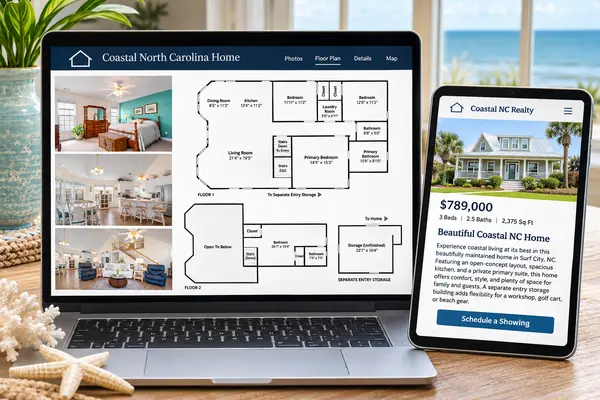
A listing email should make it easy for the recipient to understand the property and decide whether to learn more.
A strong presentation generally includes:
An Informative Subject Line
The subject should clearly identify the property or the reason for the email without misleading the recipient.
A Strong Property Photograph
The first image should give recipients an appealing introduction to the home.
A Short, Useful Description
Highlight the property's most relevant features rather than repeating the entire listing description.
Important Property Information
Include accurate details such as location, asking price, bedrooms, bathrooms, and distinctive features.
A Link to the Full Listing
Recipients should have an easy way to view additional photographs, property information, and available showing details.
A Clear Next Step
Make it easy for an interested buyer or agent to request more information or arrange a showing.
The email should be easy to read on both desktop computers and mobile devices.
6. How Often Should My Realtor Send Emails About My Home?
There is no universal number of emails that is appropriate for every listing.
The timing and frequency should reflect meaningful property updates and the intended audience.
Examples may include:
-
An initial new listing announcement.
-
A reminder about an upcoming open house.
-
A significant price change.
-
A property status update.
-
A follow-up to agents who have expressed interest.
-
Additional information requested by a prospective buyer.
Sending repeated messages without new information can become counterproductive.
The objective is to communicate when there is something useful to share, not to overwhelm recipients with unnecessary messages.
7. Does Email Marketing Work Better Than Social Media Advertising?
Email and social media serve different purposes. They should not necessarily be viewed as competing marketing channels.
Email Marketing
-
Delivers information directly to selected contacts.
-
Can reach buyers and agents who have expressed relevant interests.
-
Makes it easy to share listing information and updates.
-
Supports ongoing communication and follow-up.
Social Media Marketing
-
Can introduce a property to people who may not already know it is available.
-
Provides visual opportunities through photographs, videos, and property highlights.
-
Can extend exposure through organic posts and paid advertising when appropriate.
For example, a new listing in Surf City might be introduced through a professional social media post while an email announcement is sent to relevant buyers and real estate agents.
The two approaches can complement each other.
Neither guarantees a sale, and both should work alongside MLS distribution, real estate websites, professional property presentation, and private showings.
8. How Can Sellers Tell Whether Email Marketing Is Working?
The number of emails sent is not a useful measure of success by itself.
Depending on the email platform and campaign, an agent may be able to review:
-
Delivery: How many emails successfully reached recipients' inboxes.
-
Opens: How many recipients registered as opening the message, recognizing that email privacy features can affect this measurement.
-
Clicks: How many recipients clicked the property listing link.
-
Replies: Whether recipients requested additional information or responded with questions.
-
Inquiries: Whether the email generated direct interest in the property.
-
Showings: Whether interested recipients scheduled property visits.
A high open rate does not necessarily mean a buyer is interested, and a click does not guarantee a showing.
The more useful question is whether email activity is contributing to meaningful buyer conversations, property inquiries, and showing opportunities.
Your listing agent should evaluate email activity alongside overall listing performance, showing feedback, competing properties, and current market conditions.
9. Are There Rules About Sending Real Estate Marketing Emails?
Yes. Commercial email marketing is subject to federal requirements, including the CAN-SPAM Act.
The Federal Trade Commission explains that the law applies to commercial messages promoting products or services and establishes requirements for commercial email.
Among other things, applicable marketing emails must use accurate sender information and subject lines, include a valid physical postal address, provide a clear way to opt out, and honor opt-out requests within the required timeframe.
Hiring an outside email marketing company does not automatically remove the sender's responsibility for compliance.
Realtors and marketing providers should also use appropriate contact-management and privacy practices and follow applicable fair housing requirements when distributing housing-related advertising.
Sellers do not need to manage these technical requirements themselves, but it is reasonable to ask how their listing agent handles property-marketing communications.
For additional information, see the Federal Trade Commission's official guide:
CAN-SPAM Act: A Compliance Guide for Business
10. What Should Sellers Ask Their Realtor About Email Marketing?
When interviewing listing agents, consider asking:
-
Do you send new listing announcements by email?
-
Will my property be shared with agents who may have buyers looking in this area?
-
Do you have a way to identify buyers who may be interested in my property type?
-
Will professional photographs and a link to the full listing be included?
-
Will you send relevant updates when the asking price or listing status changes?
-
How do you follow up when an agent or buyer expresses interest?
-
Can you provide information about the activity generated by the campaign?
-
How does email marketing fit into the overall listing strategy?
These questions help clarify whether email is being used intentionally or simply added to a list of marketing services.
11. How Streamline Realty Team Approaches Property Marketing
Streamline Realty Team incorporates digital marketing and agent-to-agent marketing into its broader listing strategy for Sellers throughout Coastal North Carolina.
Depending on the property and marketing plan, listing services may include professional photography, drone photography, floor plans, video, MLS distribution, social media promotion, enhanced listing exposure, agent-to-agent marketing, and online listing-performance monitoring.
Email outreach may be considered as part of a property-specific marketing plan when appropriate. Sellers should discuss the actual email distribution and follow-up services proposed for their listing rather than assume that every property receives the same campaign.
For example, marketing a waterfront home in Hampstead may involve emphasizing its water access, outdoor spaces, and distinctive property features when communicating with agents and prospective buyers.
A Topsail Island beach property may require a different presentation that highlights its coastal setting, views, and intended use.
The overall goal is to make the property's information accessible through relevant marketing channels and provide interested buyers with a clear path to learn more.
Email is one possible part of that strategy—not a replacement for professional presentation, online exposure, or appropriate pricing.
Does Email Marketing Help Sell a Home?
Email marketing can help support a home sale by sharing property information with relevant buyers, communicating with other real estate agents, and keeping interested contacts informed about important listing updates.
However, the value comes from reaching the right people with useful information, not simply sending a large number of emails.
For Sellers in Surf City, Topsail Beach, North Topsail Beach, Hampstead, Sneads Ferry, Holly Ridge, Wilmington, Jacksonville, Pender County, and Onslow County, email can complement a broader marketing strategy designed around the property's features and likely buyer audience.
If you are considering selling, ask your Realtor how email outreach, agent-to-agent communication, MLS distribution, social media, and enhanced online listing exposure will work together.
Contact Streamline Realty Team to discuss your property's marketing opportunities, current market position, and a listing strategy designed around your home.
Streamline Realty Team | Powered by Real Broker, LLC
Categories
Recent Posts



GET MORE INFORMATION