
How Do I Decide Whether an Open House Is Right for My Home?
How Do I Decide Whether an Open House Is Right for My Home?
An open house can be a useful part of a home-selling strategy, but it is not automatically the right choice for every Seller or every property.
The decision should depend on several factors, including your home's features, likely buyer audience, current market activity, privacy concerns, and whether an open house offers additional exposure beyond private showings.
For some homeowners, an open house provides a convenient way for multiple potential buyers to tour the property. For others, individually scheduled showings may be a better fit.
If you are preparing to sell in Surf City, Topsail Beach, North Topsail Beach, Hampstead, Sneads Ferry, Holly Ridge, Wilmington, or Jacksonville, the best approach is to evaluate what makes sense for your particular home rather than automatically scheduling an open house.
The right question is not simply whether you should have an open house. It is whether an open house will provide meaningful value as part of your property's overall marketing and showing strategy.
1. Start With Your Property Type and Features
The type of property you are selling can influence whether an open house makes sense.
Some homes have features that buyers may appreciate more when they experience them in person.
Consider the following examples:
Beach Homes and Coastal Properties
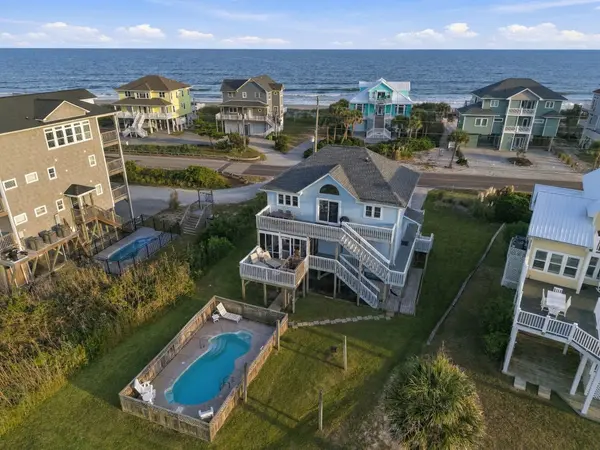
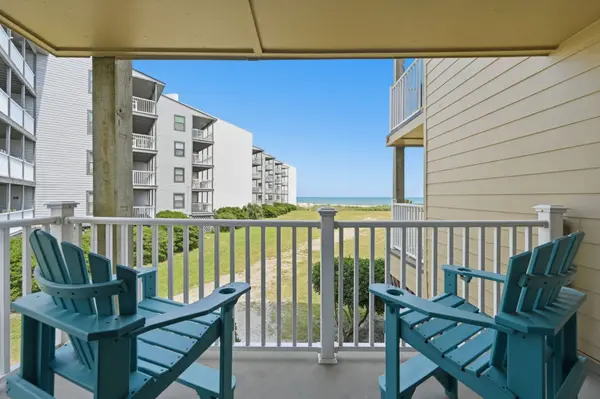
A beach home on Topsail Island may have ocean views, multiple decks, outdoor living areas, or a distinctive coastal layout. An open house may give visitors an opportunity to experience how these features work together.
Waterfront Homes
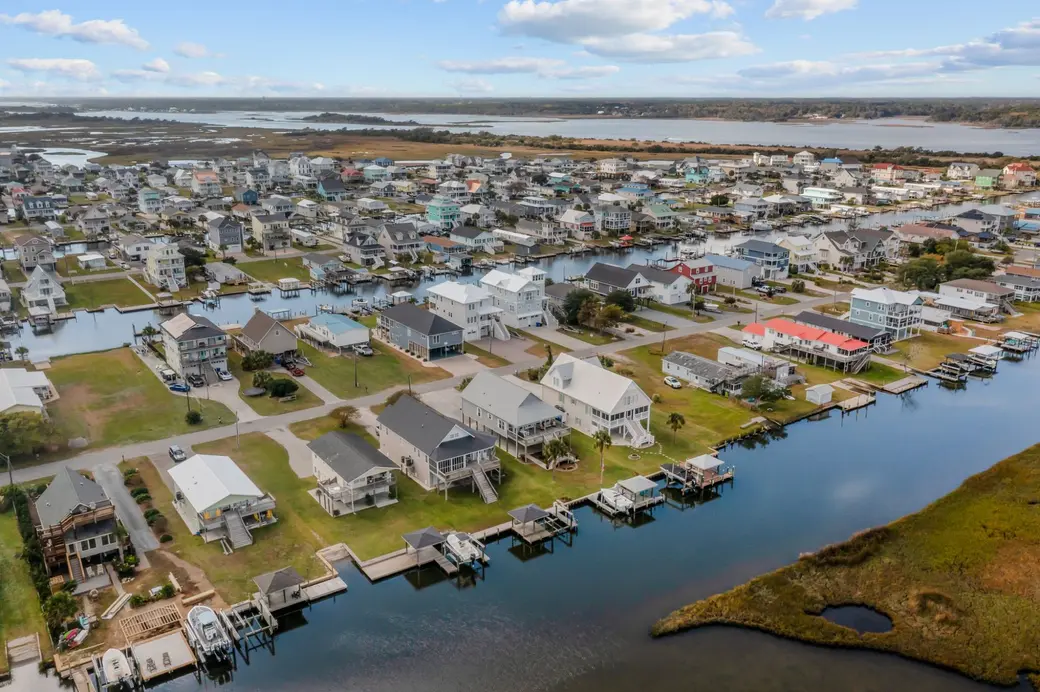
A waterfront property in Hampstead or Sneads Ferry may have a dock, boat lift, water access, or views that are difficult to fully appreciate through photographs alone.
Primary Residences
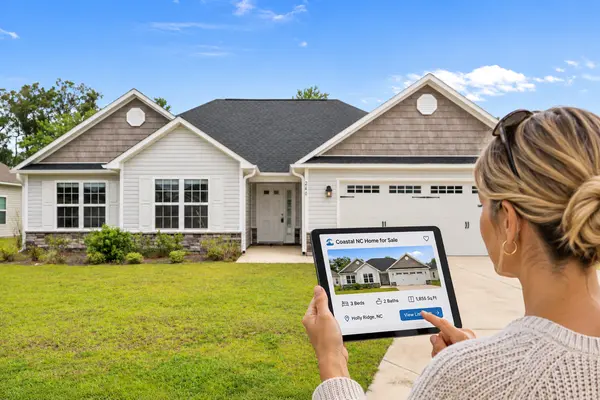
A home in Wilmington, Jacksonville, or Holly Ridge may appeal to buyers who want to evaluate the layout, room sizes, storage, and outdoor spaces.
Investment and Vacation Properties
A vacation property may require a more carefully coordinated showing strategy, particularly when it is occupied by guests or operated as a rental.
The important consideration is whether an open house makes it easier for potential buyers to understand and appreciate the property's features.
2. Consider Who Is Most Likely to Buy Your Home
Your likely buyer audience should influence how your home is presented and shown.
For example, a buyer relocating to the Wilmington or Jacksonville area may have different scheduling needs than someone visiting Topsail Island while exploring potential second homes.
A buyer interested in a waterfront property may want to spend additional time evaluating the dock, water access, outdoor areas, and surrounding setting.
Some buyers prefer the convenience of an open house because they can visit without arranging an individual appointment. Others prefer a private showing where they can ask questions and spend time evaluating the property without other visitors present.
Ask your Realtor:
-
Who is the likely buyer for my property?
-
How do buyers typically want to view homes like mine?
-
Would an open house make it easier for these buyers to visit?
-
Would individually scheduled showings be more appropriate?
The goal is to choose a showing strategy that accommodates the buyers most likely to be interested in your home.
3. Look at Your Current Showing Activity
Your home's activity in the market can help determine whether an open house is worthwhile.
If your property is receiving consistent private showing requests, an open house may offer another opportunity for buyers to visit, but it may not be necessary to generate additional activity.
If showing activity is limited, an open house could provide another way to introduce the property to potential buyers.
However, it is important to understand why activity may be limited.
Your Realtor should review factors such as:
-
Current competing listings.
-
Recent comparable sales.
-
Buyer feedback from previous showings.
-
Online listing engagement.
-
The property's condition and presentation.
-
The asking price in relation to the competition.
If the underlying concern is pricing, condition, or competition, simply scheduling an open house may not address the problem.
An open house should support the overall marketing plan, not replace a necessary review of the property's market position.
4. Decide Whether You Are Comfortable With Public Access
One of the most important considerations is your comfort level with allowing multiple visitors into your home.
An open house creates a different environment from individually scheduled showings.
Before agreeing to one, consider:
-
Are you comfortable with visitors walking through your home?
-
Can personal belongings and valuables be secured?
-
Can sensitive documents and personal information be removed?
-
Are there pets or other household considerations?
-
Is the home occupied by tenants or vacation guests?
-
Are there rooms or areas that require special access arrangements?
Sellers should remove or secure valuables, prescription medications, financial documents, personal identification, and other sensitive items before any showing or open house.
If you have significant privacy or security concerns, private showings may be a more comfortable alternative.
Your Realtor should discuss reasonable precautions and how visitor access will be managed before the event.
5. Consider Your Schedule and Property Readiness
An open house requires preparation.
Your home should be ready for visitors, and you should be comfortable with the proposed date and time.
Consider whether:
-
The home can be cleaned and organized before the event.
-
Personal belongings can be put away.
-
The property will be accessible during the proposed hours.
-
Family members and pets can be accommodated.
-
Any necessary repairs or preparation can be completed.
-
The event can be scheduled without interfering with other commitments.
Coastal North Carolina properties may have additional scheduling considerations.
For example, a Topsail Island vacation rental may have guest check-in or checkout arrangements that affect access. A second home may require advance coordination for property access, utilities, or preparation.
If the property is not ready or access is difficult, a private-showing strategy may be more practical until circumstances change.
6. Compare an Open House With Private Showings
An open house and a private showing serve different purposes.
| Open House | Private Showing |
|---|---|
| Multiple visitors can tour during a scheduled window. | One buyer or buyer group tours by appointment. |
| Buyers have a set period to visit. | Scheduling can accommodate individual availability. |
| Can create another opportunity for property exposure. | Allows a more individualized viewing experience. |
| May attract curious visitors as well as active buyers. | Often arranged around a buyer's interest in the property. |
| Requires preparation for a scheduled event. | Requires coordinating individual appointments. |
Neither approach is automatically better.
An open house may be useful when the property is easy to access and there is a reasonable opportunity to attract additional visitors.
Private showings may be preferable when the property requires advance coordination, has privacy concerns, or is more appropriately presented through individual appointments.
Some Sellers may benefit from using both approaches.
7. Does the Timing of an Open House Matter?
Yes. The timing should fit the property's marketing schedule and the Seller's circumstances.
An open house shortly after a listing goes active may provide an additional opportunity for buyers to see a newly available property.
However, holding an open house during the first weekend is not a requirement for a successful sale.
Your Realtor should consider:
-
When the listing will be ready for showings.
-
Whether the property has already received buyer interest.
-
Whether competing properties are holding open houses.
-
Whether the proposed date is convenient for likely visitors.
-
Whether the Seller can comfortably prepare the home.
For coastal and vacation properties, weekends, travel schedules, rental occupancy, and property access may also influence timing.
The best date is the one that supports a practical marketing plan rather than simply following a routine.
8. What Should I Expect My Realtor to Do if We Hold an Open House?
If you decide to hold an open house, ask your listing agent to explain how the event fits into the property's overall marketing plan.
Before the event, the agent should discuss the intended purpose, proposed timing, preparation, access, and promotional plan.
Depending on the listing and available services, promotion may include:
-
MLS open house information.
-
Applicable real estate website announcements.
-
Facebook and Instagram posts.
-
Property photographs and listing highlights.
-
Communication with other real estate agents.
-
Signage and other appropriate event promotion.
After the event, ask for a summary of what happened.
Useful information may include:
-
Approximate attendance.
-
General visitor interest.
-
Questions about the property.
-
Comments about condition, features, or price.
-
Requests for additional information.
-
Follow-up showing requests.
The goal is to understand whether the event produced meaningful interest or useful feedback.
A large number of visitors does not necessarily mean a large number of serious buyers. The quality of the interest matters more than attendance alone.
9. When Should I Skip an Open House?
There are several situations where an open house may not be the best choice.
You may want to consider a private-showing strategy when:
-
You have significant privacy or security concerns.
-
Your property is occupied by tenants or vacation guests.
-
Access requires advance coordination.
-
The home is receiving sufficient private showing activity.
-
Your likely buyer audience is relatively specialized.
-
The property is not ready for visitors.
-
The event would create more inconvenience than marketing value.
For example, a luxury waterfront home with specific access arrangements may be better suited to individually scheduled appointments.
Likewise, a vacation rental with an active guest schedule may not be practical for a public open house.
Skipping an open house does not mean your home will receive inadequate marketing. A property can be successfully marketed through professional presentation, online exposure, agent communication, and private showings.
10. Questions to Ask Your Realtor Before Scheduling an Open House
Before making a decision, ask your listing agent:
-
Why do you recommend an open house for my particular property?
-
What buyer audience are we hoping to reach?
-
What current market activity supports your recommendation?
-
How will the event be promoted?
-
Would private showings be a better alternative?
-
What preparation and security measures should I consider?
-
How will visitor interest and feedback be evaluated?
-
What would you recommend if the open house produces little interest?
A good recommendation should have a property-specific reason behind it.
You should understand what the event is intended to accomplish, how it will be handled, and how its results will be evaluated.
11. How Streamline Realty Team Helps Sellers Evaluate Their Showing Strategy
Streamline Realty Team approaches the decision to hold an open house as part of the broader marketing strategy for each property.
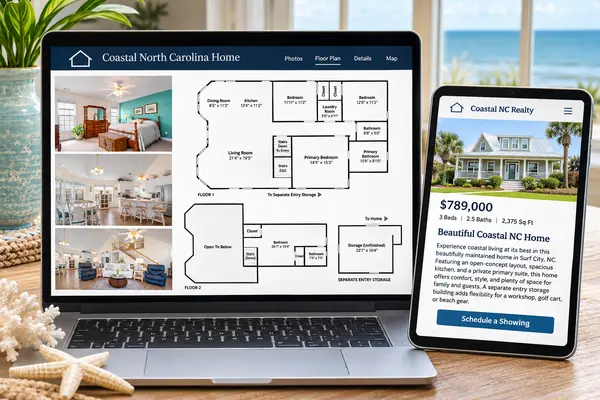
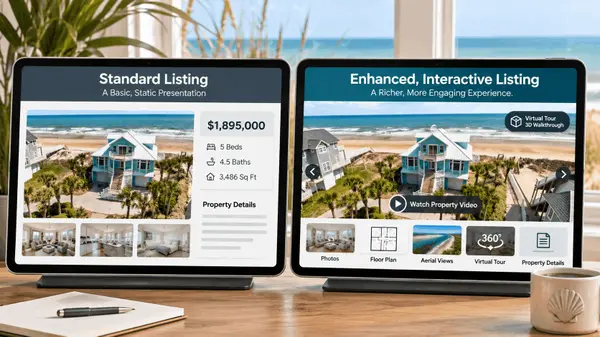
Depending on the home and marketing plan, listing services may include professional photography, drone photography, floor plans, video, MLS distribution, social media promotion, enhanced online listing presentation, and monitoring of listing and showing activity.
An open house may complement those efforts when it makes sense for the property.
For example, a Topsail Island beach home with appealing outdoor living areas may benefit from an opportunity for buyers to experience the property in person.
A waterfront home in Hampstead or Sneads Ferry may call for a showing strategy that gives buyers an appropriate opportunity to evaluate its water access and outdoor features.
Other properties may be better suited to individually scheduled appointments.
The goal is to select a strategy that considers the Seller's preferences, the property's characteristics, and the buyers most likely to be interested.
So, Should You Have an Open House When Selling Your Home?
An open house is worth considering when it provides a practical opportunity to introduce your home to additional buyers, showcase its features, and complement the rest of your marketing strategy.
However, it is not necessary for every property, and holding one does not guarantee an offer or a sale.
Before deciding, consider your property type, buyer audience, current showing activity, privacy concerns, schedule, and the alternatives available.
If you are considering selling a home in Surf City, Topsail Beach, North Topsail Beach, Hampstead, Sneads Ferry, Holly Ridge, Wilmington, Jacksonville, Pender County, or Onslow County, Streamline Realty Team can help you evaluate the showing and marketing strategies appropriate for your property.
Contact Streamline Realty Team to discuss your home's presentation, current market competition, and a property-specific plan for attracting qualified buyers.
Streamline Realty Team | Powered by Real Broker, LLC
Categories
Recent Posts
GET MORE INFORMATION