Should I Have My Septic System Inspected Before Selling My Home?

Should I Have My Septic System Inspected Before Selling My Home?
Yes, having your septic system inspected before selling your home is often a smart step, particularly if you live in Coastal North Carolina and your property relies on a private septic system. A pre-listing inspection can help you understand the system's current condition, identify potential concerns before a buyer raises them, and prepare for questions about maintenance, repairs, or the property's suitability for its intended use.
A septic inspection is not automatically required before every home sale in North Carolina. However, a buyer, lender, or the terms of a real estate transaction may make an inspection a condition of the sale. Arranging an inspection before listing can give you more time to understand any findings and plan your next steps.
For homeowners in Surf City, Holly Ridge, Sneads Ferry, and other parts of Coastal North Carolina, knowing the condition and documentation of your septic system can be an important part of preparing your property for the market.
Why Should Sellers Have a Septic System Inspection Before Listing?
A septic system is an important part of a property's infrastructure. When a home is listed for sale, buyers may want to understand its condition, maintenance history, and whether the system is appropriate for the property's current use.
A pre-listing inspection can help you:
-
Identify potential problems early. Discovering signs of a possible issue before listing gives you time to investigate and evaluate your options.
-
Prepare for buyer questions. You may be better equipped to discuss the system's history, maintenance, and available documentation.
-
Plan for potential expenses. If an inspection identifies concerns, you can obtain additional evaluations or repair estimates before deciding how to proceed.
-
Reduce last-minute surprises. Addressing questions about the septic system early may help avoid unexpected complications during negotiations.
-
Organize important records. Existing permits, system layouts, maintenance records, and inspection reports can help explain the system to prospective buyers.
An inspection does not guarantee that a transaction will proceed without delays. However, understanding the system before listing can help you make more informed decisions about preparing and marketing your home.
What Does a Septic System Inspection Look For?
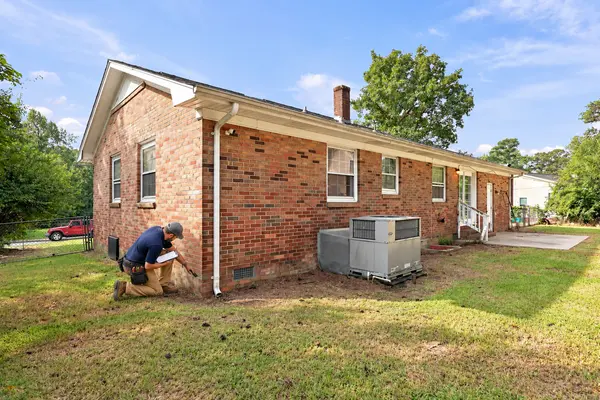
A septic system inspection evaluates accessible components and looks for signs of potential problems. The scope depends on the type of system, the inspection being performed, and the components that can be accessed.
Depending on the system and inspection scope, the evaluation may include:
-
Septic tank: Observable condition, tank lids, baffles, and signs of leakage or deterioration.
-
Distribution components: Accessible distribution devices and related components.
-
Drainfield: Observable signs of surfacing wastewater, drainage concerns, or other conditions affecting the system.
-
Pumps and controls: Applicable pump tanks, control panels, and related equipment.
-
Water entry and drainage: Signs of abnormal water entering or leaving system components and grading conditions that may affect system performance.
-
Available system information: The system's permitted design capacity and the number of bedrooms the system was designed to serve, when this information is available.
North Carolina has specific standards for point-of-sale septic inspections. The state's inspection rules describe required inspection components and reporting procedures, but an inspection has defined limits. It should not be treated as a guarantee that every component is defect-free or that the system will never require repairs. See the North Carolina Office of Administrative Hearings' onsite wastewater rules.
A septic professional can explain the scope of the inspection and whether additional testing or evaluation may be appropriate for your property.
Why Septic Systems Deserve Special Attention in Coastal North Carolina
Septic systems are common in many areas outside municipal sewer service, including parts of Pender and Onslow counties. For sellers, understanding the system is especially important when a property's location, drainage, or existing documentation raises questions about its operation.
Drainage, Saturated Soil, and Flooding
Coastal properties may experience heavy rainfall, periods of saturated soil, or flooding. These conditions can affect septic system performance and access to certain components.
If your property has experienced flooding or you have noticed unusually wet areas near the drainfield, slow drains, sewage odors, or wastewater surfacing in the yard, consider having a qualified professional evaluate the system.
These signs do not automatically establish that a septic system has failed. They do, however, warrant further investigation before you put the home on the market.
The System's Age and Maintenance History
If you have owned your home for years, you may know when the tank was last pumped or repaired but have limited information about the original installation.
Gather any available records, including:
-
Septic permits and system layouts.
-
Pumping and maintenance receipts.
-
Previous inspection reports.
-
Repair or replacement documentation.
-
Records of any additions or changes to the home.
The North Carolina Department of Health and Human Services recommends that homeowners keep information about their septic system, including the tank and drainfield locations and the system's designed capacity. You can ask your local health department for a copy of available permits and the system layout. See the state's septic system guidance for homeowners.
Bedroom Count and Permitted Capacity
One important consideration when selling a home with a septic system is whether the system's documented design capacity aligns with how the home is currently represented and used.
For example, a homeowner may have converted an office or bonus room into a bedroom, or the property may have undergone an addition since the septic system was installed.
A room's use or a home's advertised bedroom count does not, by itself, establish that a septic system is improperly sized. However, differences between the available permit records and the home's current configuration deserve attention.
If you are unsure whether your septic system is approved for the home's current layout, review the available records with the local health department or a qualified septic professional before listing.
Is a Septic Inspection Required When Selling a Home in North Carolina?
Not every North Carolina home sale automatically requires a new septic inspection. The need for an inspection can depend on the property's circumstances, the parties' agreement, and any applicable lender or transaction requirements.
North Carolina recognizes point-of-sale inspections of on-site wastewater systems under state law. The law defines an inspection in the context of a sale, refinancing, or transfer of title, and state rules establish minimum inspection standards. That does not mean every seller must independently order an inspection before listing.
For a property in Pender or Onslow County, contact the appropriate county health department if you need help locating septic permits or confirming which records are available. If a buyer requests an inspection or the contract addresses septic evaluations, review the applicable terms with your real estate agent and, when necessary, a qualified attorney.
You can review the relevant provisions in North Carolina General Statutes, Chapter 90A.
What Happens If the Inspection Finds a Problem?
An inspection that identifies a concern does not automatically mean you cannot sell your home. The next step is to understand what the finding means and what options are available.
1. Determine Whether Further Evaluation Is Needed
An inspector may identify an observable concern that requires additional investigation. Depending on the finding, you may need a septic contractor, another appropriately qualified professional, or guidance from the local health department.
Avoid assuming that a particular repair or replacement is necessary until the issue has been properly evaluated.
2. Obtain Repair Information
If repairs are recommended, ask an appropriately qualified professional to explain the scope of work and provide an estimate when appropriate.
The cost and feasibility of repairs can vary based on the system, site conditions, and the nature of the problem. Do not assume that every septic concern requires full system replacement.
3. Consider Your Selling Options
Once you understand the findings, you can discuss your options with your real estate agent. Depending on the circumstances, you might choose to complete appropriate repairs before listing, provide available inspection documentation, or disclose the known issue and evaluate offers accordingly.
If the home is already under contract, the executed agreement and the specific circumstances of the transaction matter. Do not assume that an inspection finding automatically determines who must pay for repairs or whether either party can terminate the agreement.
4. Keep the Documentation
Retain the inspection report, repair estimates, invoices, permits, and other relevant records. These documents can help you answer questions and provide a clearer account of the property's septic system history.
Should I Have My Septic Tank Pumped Before the Inspection?
Not automatically. Pumping and inspecting a septic system are different services, and the appropriate approach depends on the system and the type of inspection being performed.
North Carolina's point-of-sale inspection rules address the circumstances in which a tank needs to be pumped for a complete inspection. If a client declines pumping, the applicable rules require the inspector to document that decision and the client's acknowledgment.
Before scheduling an inspection, ask the inspector what preparation is needed, whether pumping is recommended or necessary, and what services are included in the quoted price. This helps you understand the scope of the work rather than paying for services without knowing whether they are appropriate.
How Much Does a Septic System Inspection Cost?
The cost depends on the inspection's scope, the system's type and accessibility, the service provider, and whether additional work is needed.
Rather than relying on a general online estimate, request a current quote from a qualified inspector familiar with the applicable North Carolina requirements. Ask whether the quote includes the written report, tank pumping if applicable, and any additional evaluations you may need.
Remember that an inspection fee is separate from any repair, maintenance, or replacement costs that may arise from the findings.
How Can I Prepare My Septic System Before Listing My Home?
A little preparation can make it easier to arrange an inspection and answer prospective buyers' questions.
Use this checklist as a starting point:
You do not need to resolve every unknown before speaking with an agent. Starting with the records you have can help identify what information is still needed.
What If My Home Is on Septic and I Plan to Sell Soon?
If you expect to list your home in the next few months, consider reviewing your septic system records now rather than waiting until a buyer raises questions.
This is particularly useful if you do not know when the system was last inspected, have limited maintenance records, or have noticed signs that may indicate a problem.
A pre-listing conversation with your real estate agent can help you identify potential questions early. If a septic inspection is appropriate, you can then arrange it with a qualified professional and decide how to handle any findings.
For homeowners in Surf City, Holly Ridge, Sneads Ferry, and the surrounding Coastal North Carolina communities, this preparation can be part of a broader strategy for presenting the property clearly and setting realistic expectations before it reaches the market.
Selling a Home With a Septic System in Coastal North Carolina
Having your septic system inspected before selling is often a worthwhile step because it can uncover concerns early, help you organize important records, and prepare you for buyer questions. Whether you need a new inspection depends on your property, the condition and history of the system, and any applicable transaction requirements.
You do not have to navigate the preparation process alone. Streamline Realty Team can help you plan your home's listing preparation, anticipate questions that may arise during a sale, and coordinate your next steps with qualified septic professionals when needed.
Thinking about selling your home in Surf City, Topsail Beach, North Topsail Beach, Holly Ridge, Sneads Ferry, Wilmington, Jacksonville, or elsewhere in Pender or Onslow County? Contact Streamline Realty Team to discuss your property, your selling timeline, and the steps that may help you prepare for a successful listing.
Categories
Recent Posts





GET MORE INFORMATION