Should I Repair Exterior Rust and Corrosion Before Selling a Beach House?
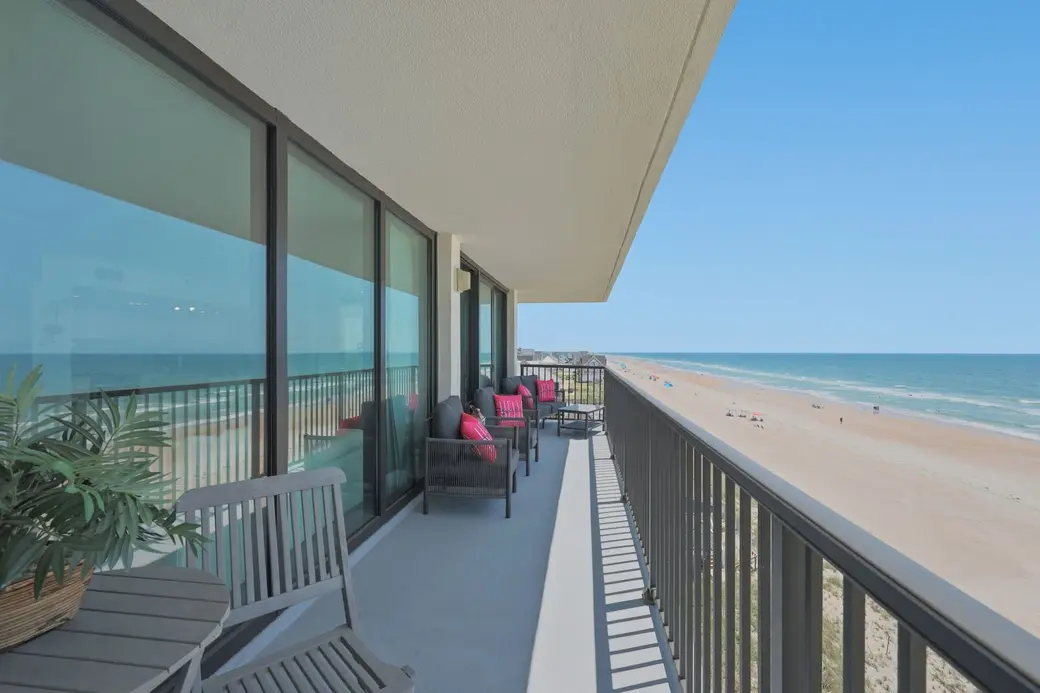
Should I Repair Exterior Rust and Corrosion Before Selling a Beach House?
Yes, repairing exterior rust and corrosion before selling a beach house is often worthwhile, particularly when the deterioration is highly visible, affects a safety-related component, or raises questions about the property's maintenance. However, not every rust spot requires an expensive replacement. The best approach is to determine what is corroding, how extensive the damage is, and whether the issue is primarily cosmetic or requires professional attention.
For homeowners preparing to sell in Surf City, Topsail Beach, North Topsail Beach, or elsewhere along Coastal North Carolina, exterior maintenance deserves special attention. Salt air, moisture, and exposure to coastal weather can make metal components a recurring maintenance concern.
Before investing in repairs, focus on the areas most likely to affect a buyer's first impression, confidence in the property's condition, and willingness to move forward.
Why Does Exterior Rust Matter When Selling a Beach House?
Rust can make an otherwise attractive property look neglected. Buyers may notice discolored railings, rusty screws, corroded exterior fixtures, or deteriorating metal hardware while viewing listing photographs or walking around the home.
In a coastal market, buyers may already be paying attention to the condition of decks, stairs, balconies, exterior connections, and other features exposed to the elements. Visible corrosion can prompt additional questions about maintenance and whether less obvious problems might exist.
There are three main reasons to evaluate rust before listing:
-
First impressions: Rusty exterior features can detract from the home's overall appearance in photographs and during showings.
-
Buyer confidence: Visible deterioration may lead buyers to ask questions about the property's upkeep or request further evaluation.
-
Safety and condition: Corrosion affecting railings, stairs, structural connections, or other functional components may require more than cosmetic treatment.
Repairing the right issues can help present the property more confidently. It does not guarantee a higher sale price, but it can reduce avoidable concerns during the selling process.
Which Exterior Rust and Corrosion Repairs Should I Prioritize?
Not all corrosion is equally important. Start by separating cosmetic concerns from issues that may affect safety, function, or the integrity of a component.
1. Rusty Railings, Stairs, and Balcony Components
Metal railings, stair components, balcony hardware, and exterior connections deserve close attention because they can be both highly visible and safety-related.
Surface discoloration may be relatively minor, but flaking metal, loose connections, perforation, or significant material loss can indicate more serious deterioration.
If corrosion affects a railing, stair assembly, balcony connection, or another component that people rely on for support, have a qualified contractor evaluate it before deciding on a repair.
Do not simply paint over potentially significant corrosion. A fresh finish can improve appearance, but it does not restore metal that has deteriorated or establish that a component is safe.
2. Rusty Exterior Screws, Bolts, and Fasteners
Fasteners around decks, exterior trim, stairs, railings, and other exposed areas can develop rust over time.
Some discoloration may be cosmetic. In other cases, corrosion may affect the fastener's condition or its ability to perform its intended function.
Before replacing fasteners, determine whether they are appropriate for the material and exposure conditions. A qualified contractor can help select suitable replacement hardware and identify whether surrounding materials have also been affected.
3. Corroded Exterior Fixtures and Metal Hardware
Exterior light fixtures, door hardware, decorative metalwork, and other visible accessories can make a property look older or less maintained when their finishes deteriorate.
If the corrosion is limited to the finish and the fixture remains functional and sound, cleaning, refinishing, or replacing the item may be reasonable.
Consider the condition of the surrounding area as well. If rust has stained siding, trim, concrete, or decking, determine whether the staining can be safely removed without damaging the surface.
4. Rust on Metal Gates, Fencing, and Outdoor Equipment
Metal fencing, gates, exterior brackets, and certain outdoor equipment may also show corrosion.
Cosmetic maintenance may be sufficient for some items. However, weakened hinges, unstable posts, deteriorated supports, or damaged connections may require repair or replacement.
Prioritize components that are prominent in listing photographs, visible from the street, or used regularly by occupants and guests.
5. Corrosion That May Affect Structural Components
This is where sellers should be especially careful.
Corrosion involving load-bearing metal, structural connections, balcony supports, or other critical components should not be treated as an ordinary paint-and-touch-up project.
A contractor or other appropriately qualified professional should evaluate the affected area and recommend the proper next step. Depending on the situation, the work could involve repair, replacement, or further investigation.
The goal is to understand the condition before listing rather than conceal a potentially significant issue.
Can I Just Paint Over Rust Before Selling?
Sometimes, but only when the underlying condition makes that approach appropriate.
For limited surface rust on a suitable, noncritical metal component, preparation and a compatible protective coating may improve appearance and help protect the surface. The correct preparation and coating depend on the metal, existing finish, exposure, and extent of corrosion.
However, painting over significant deterioration is not a substitute for repairing damaged material.
Before applying a new finish:
-
Determine whether the rust is superficial or whether the metal has deteriorated.
-
Remove loose corrosion and prepare the surface using a method appropriate for the material.
-
Use a compatible primer and coating system when recommended for the application.
-
Follow the coating manufacturer's preparation and application instructions.
-
Address the underlying source of moisture or other contributing conditions when possible.
If the metal is flaking, perforated, visibly weakened, or associated with a loose or unstable component, seek professional evaluation before refinishing it.
For Coastal North Carolina properties, the objective should be appropriate protection and maintenance, not simply making rusty surfaces look new for a showing.
How Much Should I Spend on Rust Repairs Before Listing?
The answer depends on the scope of the problem, the condition of the property, and the likely benefit of addressing each item.
Rather than budgeting for every visible imperfection, group the work into three priorities.
Priority 1: Safety and potentially significant deterioration
Address concerns involving loose railings, compromised stairs, visibly deteriorated connections, or other components that may require professional evaluation. Obtain an appropriate assessment and estimate before deciding how to proceed.
Priority 2: Highly visible cosmetic problems
Consider cleaning, refinishing, or replacing rusty exterior hardware and fixtures when the improvement is reasonable relative to the property's overall condition and presentation.
Priority 3: Minor imperfections
Small areas of superficial discoloration that do not affect function or safety may not justify extensive work. Evaluate them in context rather than automatically replacing every affected item.
There is no universal repair budget that makes sense for every beach house. A small amount of targeted maintenance may be sufficient for one property, while another may need more substantial work.
Before authorizing repairs, ask your real estate agent to help identify the most noticeable concerns and obtain contractor estimates when needed. Compare the proposed cost and scope with the property's overall marketing strategy.
Should I Repair Rust Before Listing or Wait for the Buyer’s Inspection?
For many sellers, evaluating visible corrosion before listing is preferable to waiting for a buyer to discover it. Early attention gives you more time to understand the condition, compare repair options, and make informed decisions about preparation.
However, the appropriate response depends on the issue.
| Condition | Reasonable next step |
|---|---|
| Minor surface rust on a decorative fixture | Evaluate cleaning, refinishing, or replacement |
| Rusty but apparently functional exterior hardware | Determine whether the corrosion is cosmetic or affects function |
| Loose or deteriorated railing components | Arrange an appropriate professional evaluation |
| Corrosion involving structural connections | Obtain qualified professional assessment before deciding on repairs |
| Uncertain or extensive deterioration | Investigate the condition rather than covering it up |
A pre-listing review does not eliminate the possibility of a buyer's inspection or additional questions. It simply helps you prepare with a clearer understanding of the property's condition.
If you choose not to repair an item before listing, discuss how to handle the issue with your real estate agent. The terms of any eventual contract will govern the parties' agreed responsibilities.
What Should Coastal North Carolina Homeowners Know About Salt Air and Corrosion?
Beach houses face environmental exposure that can make exterior maintenance particularly important. Salt-laden air and moisture can contribute to corrosion of susceptible metal components, although the rate and severity of deterioration vary by material, product, exposure, maintenance, and other conditions.
For sellers in Surf City, Topsail Beach, and North Topsail Beach, it is worth inspecting exposed metal components around:
-
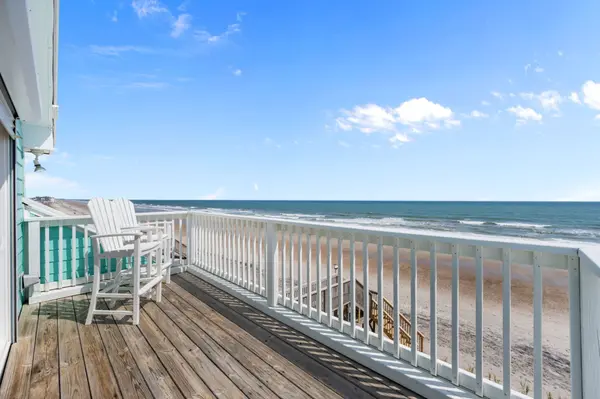
Ocean-facing balconies and decks
-
Exterior stairways and railings
-
Metal fasteners and connections
-
Gates, fencing, and outdoor fixtures
-
Exterior equipment and mounting hardware
Waterfront properties and homes closer to the ocean may have different exposure conditions from properties farther inland, so do not assume every coastal home has the same maintenance needs.
When replacing corroded components, consider the intended application and the manufacturer's recommendations for coastal exposure. Choosing an appropriate material or finish can be more useful than repeatedly applying a cosmetic treatment that does not suit the conditions.
A qualified contractor can help determine which materials and repair methods are suitable for the specific component and location.
Does Rust and Corrosion Affect a Beach House's Value?
Rust and corrosion can influence how buyers perceive a property, but their effect on value depends on the nature and extent of the problem.
Minor surface rust on a decorative fixture is different from deterioration affecting a railing, exterior stair assembly, or structural connection. Buyers may also consider the overall condition of the home, the cost of addressing the issue, and whether other maintenance concerns are present.
It would be misleading to assign a specific dollar amount to rust repairs without evaluating the property and relevant market evidence.
Instead, consider three questions:
-
Does the corrosion detract from the home's presentation?
-
Could it raise legitimate concerns about safety, function, or the condition of other components?
-
Would addressing it improve the property's overall presentation enough to justify the expense?
A property-specific pricing and preparation discussion can help you decide whether the repair is worth completing before listing.
Do I Have to Repair or Disclose Rust When Selling a Home in North Carolina?
Repairing a defect and disclosing a known condition are separate considerations.
North Carolina's real estate transaction practices and applicable disclosure requirements should be considered when preparing to sell a home with visible corrosion or a known deterioration issue.
The North Carolina Real Estate Commission explains that sellers may face liability for knowingly withholding or misrepresenting material latent defects. The Commission also explains that brokers have responsibilities concerning material facts about a property. The specific disclosure questions and circumstances matter. See the North Carolina Real Estate Commission's guidance on sellers' disclosure obligations.
Not every instance of surface rust is necessarily a material defect, and the significance of a particular condition depends on the circumstances. If you know that corrosion has affected a component or have received a professional report identifying a concern, discuss the appropriate handling and disclosure with your real estate agent. Seek legal advice if you need an interpretation of your specific obligations.
Do not assume that painting over rust removes the need to address a known underlying problem.
How Can I Prepare My Beach House for Sale Without Overspending?
The most effective preparation plan focuses on the property's actual condition and the expectations of its likely buyers.
Before listing, consider these steps:
-
Walk the exterior. Look at railings, stairs, balconies, gates, fixtures, fasteners, and other exposed metal components.
-
Document visible concerns. Photograph areas where rust, staining, flaking, or deterioration is present.
-
Separate appearance from function. Identify cosmetic issues separately from anything that may affect safety or performance.
-
Get professional input where appropriate. Ask a qualified contractor to assess concerning deterioration and provide a repair recommendation.
-
Compare repair options. Consider cleaning, refinishing, targeted replacement, or more substantial work as appropriate for the condition.
-
Keep records. Save estimates, invoices, reports, and documentation for completed work.
-
Review the property with your listing agent. Prioritize preparation based on the home's overall condition, marketing plan, and likely buyer concerns.
This approach helps you make deliberate decisions rather than spending money on every imperfection simply because the property is going on the market.
Should You Repair Exterior Rust Before Selling Your Coastal North Carolina Home?
For most sellers, the best starting point is to evaluate the corrosion rather than automatically repair everything or leave everything as it is.
Minor cosmetic rust may be manageable with appropriate surface preparation and refinishing. Corrosion affecting railings, stairs, connections, or other functional components deserves closer attention and may require professional assessment.
For homeowners preparing to sell in Surf City, Topsail Beach, North Topsail Beach, Holly Ridge, Sneads Ferry, Wilmington, or Jacksonville, the right preparation plan should reflect the specific property—not a generic checklist for every home.
Thinking about selling your beach house? Streamline Realty Team can help you review your property's presentation, identify maintenance items worth discussing before listing, and develop a practical selling strategy. If you are unsure which exterior improvements deserve attention first, start with a property-specific consultation before committing to repairs.
Categories
Recent Posts
GET MORE INFORMATION