Should I Have My Crawl Space Checked Before Selling in Coastal NC?
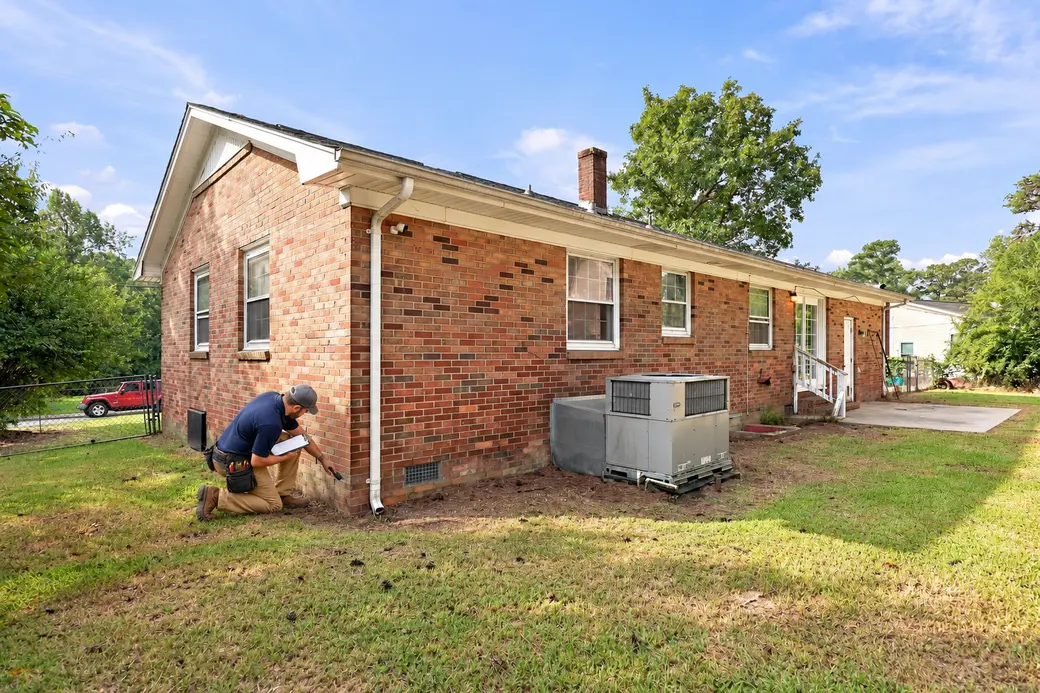
Should I Have My Crawl Space Checked Before Selling in Coastal NC?
Yes, having your crawl space checked before selling can be a smart step for homeowners in Coastal North Carolina, particularly if your home has a history of moisture, standing water, musty odors, or previous repairs. A professional evaluation can help you identify potential concerns, understand what may need attention, and prepare for questions that could arise during a buyer's home inspection.
For homeowners in Surf City, Topsail Beach, North Topsail Beach, Holly Ridge, Sneads Ferry, Wilmington, and Jacksonville, the crawl space is an area worth considering when preparing a home for the market. Moisture, wood deterioration, drainage concerns, and other hidden conditions may not be obvious during a typical walkthrough.
A crawl space inspection is not necessarily needed for every home before listing. However, if you have noticed warning signs or have not looked beneath your home in years, evaluating the area before putting your property on the market may help you make more informed selling decisions.
Why Should Coastal NC Homeowners Pay Attention to Their Crawl Spaces?
Coastal North Carolina homeowners have good reason to pay attention to moisture management and the condition of the areas beneath their homes.
Depending on the property's location, drainage, construction, and maintenance history, a crawl space may be exposed to moisture from the soil, plumbing leaks, exterior drainage problems, or other sources.
When moisture problems persist, they can contribute to conditions such as wood deterioration and mold growth. These issues may affect the condition of building materials and lead to additional questions during a real estate transaction.
Before listing your home, consider whether you have noticed any of the following:
-
A musty or damp smell inside the house.
-
Standing water or unusually damp soil beneath the home.
-
Visible moisture stains on foundation walls or floor framing.
-
Wood that appears soft, damaged, or deteriorated.
-
Signs of previous water intrusion or plumbing leaks.
-
Evidence of wood-destroying insects.
-
Floors that feel unusually soft or uneven.
-
Previous crawl space repairs without documentation of the work completed.
These signs do not automatically mean your home has a serious problem. They are reasons to investigate further and determine whether professional evaluation is appropriate.
What Can a Crawl Space Inspection Reveal Before Selling?
A crawl space evaluation can help identify visible conditions that may otherwise go unnoticed until a buyer's inspection.
Depending on the professional's qualifications and the scope of the evaluation, areas of attention may include:
Moisture and water intrusion: An inspector may identify standing water, damp conditions, water stains, or other signs that moisture has entered or accumulated beneath the home.
Floor framing and structural components: Visible floor joists, support posts, beams, and other accessible components may be examined for signs of deterioration or damage. If a structural concern is suspected, a qualified structural professional may be needed.
Mold-like growth and musty odors: Visible growth, discoloration, or persistent odors may indicate a moisture concern. Determining whether a substance is mold and identifying the source of moisture may require additional evaluation.
Vapor barriers and moisture management: An evaluation may identify damaged or displaced ground coverings, gaps, or other conditions that warrant further attention.
Drainage and plumbing concerns: Signs of plumbing leaks or water collecting near the foundation may point to issues that need to be investigated by the appropriate professional.
A crawl space inspection is not a guarantee that every hidden defect will be found. Access limitations, concealed components, and the scope of the inspection can affect what a professional is able to evaluate.
When Should You Have Your Crawl Space Checked Before Listing?
Not every seller needs to arrange a separate crawl space inspection. Your home's age, maintenance history, visible condition, and previous inspection findings can help determine whether an evaluation makes sense.
Consider arranging a professional assessment before listing if:
-
Your home has a history of moisture problems. Previous standing water, leaks, or recurring dampness may warrant another look.
-
You notice musty odors. An unexplained odor may be a reason to investigate the crawl space and other possible moisture sources.
-
You have concerns about the floors. Soft spots, unusual movement, or uneven areas may justify further evaluation.
-
You have not inspected the crawl space in years. If its condition is unknown, an evaluation may provide useful information before a buyer raises questions.
-
You have completed crawl space repairs. Documentation of previous work and any available follow-up assessments can help explain the property's maintenance history.
-
You are preparing an older home for sale. A home's age alone does not establish a problem, but its maintenance history may help determine whether additional evaluation is worthwhile.
If your home has a recent inspection report and there are no known concerns, another inspection may not be necessary. Discuss your property's circumstances with your real estate agent and the appropriate inspection professional before deciding.
Should You Hire a Home Inspector or a Crawl Space Specialist?
The right professional depends on what you need to learn.
A qualified home inspector can evaluate accessible areas of the home, including the crawl space, as part of a broader property inspection. If that inspection identifies a particular concern, a specialist may be better suited to investigate it.
For example:
-
Home inspector: A general evaluation of the home's accessible systems and components, including visible crawl space conditions.
-
Crawl space contractor: Further evaluation of moisture-management systems, vapor barriers, drainage solutions, or proposed crawl space repairs.
-
Structural engineer: Assessment of suspected structural deficiencies when engineering expertise is appropriate.
-
Pest or wood-destroying organism professional: Evaluation of suspected insect activity or related damage.
-
Qualified mold or moisture professional: Further assessment when mold-like growth or persistent moisture concerns require specialized investigation.
Ask what the evaluation includes, whether the professional will enter the crawl space, and whether a written report or photographs will be provided.
If a problem is identified, you may need a second evaluation to determine its cause, extent, and appropriate solution.
Will a Crawl Space Problem Affect the Sale of My Home?
It can, depending on the nature and extent of the problem, the property's condition, the buyer's concerns, and the terms of the transaction.
A buyer who discovers standing water, visible wood deterioration, or evidence of a possible structural issue may request additional inspections, estimates, repairs, or other changes to the proposed transaction.
The effect on your sale is not always straightforward. A minor maintenance concern and a substantial structural problem are very different situations. The cost and scope of any necessary work should be established by an appropriately qualified professional rather than assumed.
For sellers, identifying a concern before listing may provide more time to understand the findings and consider available options. Depending on the circumstances, you might choose to address an issue before marketing the home, obtain additional documentation, or discuss how to present the property's condition accurately.
There is no guarantee that a pre-listing inspection will prevent negotiations or that completing repairs will increase your home's sale price. The goal is to make decisions based on reliable information rather than last-minute surprises.
Should You Repair Crawl Space Problems Before Selling?
Not automatically. The right approach depends on what the evaluation reveals, the cost and scope of the work, and your selling goals.
If a professional identifies a concern, consider the following steps:
1. Understand the problem. Ask the appropriate professional to explain the findings, possible causes, and recommended next steps.
2. Obtain estimates when appropriate. For significant work, consider obtaining written estimates so you can evaluate the proposed scope and cost.
3. Keep records. Save inspection reports, repair invoices, warranties, permits when applicable, and photographs documenting completed work.
4. Discuss your options with your real estate agent. Your agent can help you consider how the property's condition may affect pricing, marketing, and negotiations without replacing the advice of a qualified contractor or engineer.
5. Address disclosure questions carefully. North Carolina's residential property disclosure requirements and a real estate broker's duties concerning material facts are separate considerations. Your obligations depend on the applicable law, the facts known, and the circumstances of the transaction. Discuss property-specific disclosure questions with your real estate agent and, when appropriate, a qualified attorney.
Avoid covering up visible damage, masking persistent odors, or completing cosmetic work without understanding an underlying moisture problem. Addressing the source of a concern is often more useful than simply making its symptoms less noticeable.
What Can Sellers Check Themselves Before Listing?
You do not need to enter a potentially unsafe crawl space to begin preparing your home for sale.
Start with observations you can make safely:
-
Look for standing water or drainage problems around the exterior of the home.
-
Check accessible areas for musty odors or signs of water damage.
-
Review records from previous crawl space inspections or repairs.
-
Look for plumbing leaks in accessible areas.
-
Make sure the crawl space entrance is identifiable and accessible to qualified professionals.
-
Gather available documentation for previous moisture-control work, repairs, or maintenance.
Do not crawl beneath the home if access is unsafe, water is present, electrical hazards are suspected, or the area may contain other hazards. Leave the evaluation to a qualified professional.
Is a Crawl Space Inspection Worth It Before Selling in Coastal North Carolina?
For homeowners with known moisture concerns, a history of crawl space repairs, or uncertainty about the condition beneath their home, a professional evaluation may be a worthwhile part of preparing to sell.
For homeowners without known concerns, a separate inspection may be less important than addressing visible maintenance issues and preparing the property for a comprehensive home inspection when appropriate.
The decision should be based on the home's condition rather than a blanket assumption that every coastal property has crawl space problems.
This is particularly relevant when selling homes in Surf City, Topsail Beach, North Topsail Beach, Holly Ridge, Sneads Ferry, Wilmington, and Jacksonville. Each property has its own construction, drainage, maintenance history, and potential concerns.
The best starting point is to identify what you know about your home, determine whether there are signs that warrant further investigation, and consult the appropriate professional before making repair decisions.
Preparing to Sell Your Coastal NC Home? Start With a Property-Specific Plan.
Getting your home ready for the market involves more than cleaning, staging, and choosing a listing price. Understanding the property's condition can help you prioritize preparation, gather useful documentation, and make informed decisions before buyers begin asking questions.
At Streamline Realty Team, we help homeowners throughout Coastal North Carolina think through the steps involved in preparing a property for sale. Whether you own a home in Surf City, North Topsail Beach, Sneads Ferry, Holly Ridge, Wilmington, or a surrounding community, a property-specific selling strategy can help you focus on the preparations that make sense for your home.
Considering selling? Contact Streamline Realty Team to discuss your property's condition, preparation priorities, and pricing strategy before listing. We can help you plan your next steps and identify when it may be appropriate to consult an inspection or repair professional.
Categories
Recent Posts






GET MORE INFORMATION