
Can I Sell My Beach House While It Still Has Vacation Rentals Booked?
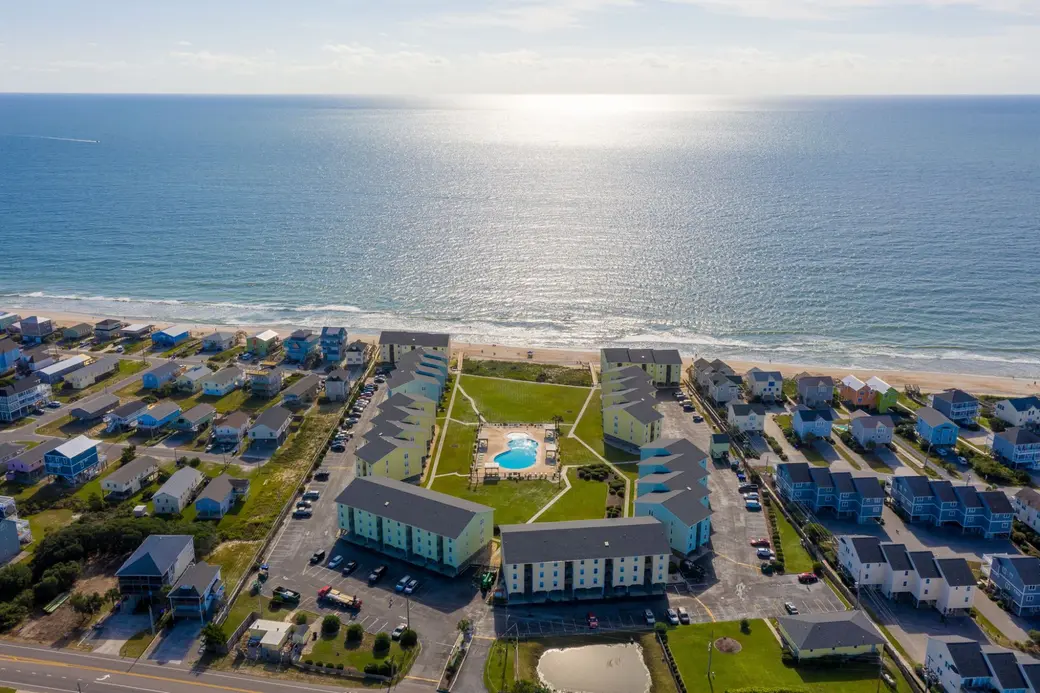
Can I Sell My Beach House While It Still Has Vacation Rentals Booked?
Yes, you can generally sell your beach house while future vacation rentals are still booked. You do not necessarily have to wait until the rental season ends to put your property on the market. However, existing reservations can affect the sale, particularly the timing of the closing, the buyer's plans for the property, and how rental agreements and funds are handled.
For beach-house owners in Surf City, Topsail Beach, North Topsail Beach, and the surrounding Coastal North Carolina area, understanding these details before listing can help make the selling process more organized.
North Carolina's Vacation Rental Act includes specific provisions addressing the transfer of property with existing vacation rental agreements. The timing of the reservations in relation to the transfer is especially important.
Do I Have to Cancel My Vacation Rentals Before Selling?
Not necessarily. Having future bookings does not automatically prevent you from listing or selling your beach house.
The more important question is what happens to those reservations when ownership changes. Buyers need to understand which rental commitments are in place, when the guests are scheduled to arrive, and how those agreements may affect their intended use of the property.
For example, a buyer purchasing a Topsail Island vacation rental as an investment may be comfortable taking ownership with existing bookings. A buyer who plans to use the beach house personally may have different priorities.
Discussing these expectations early can help your real estate agent identify potential buyers whose plans align with the property's existing rental schedule.
What Happens to Existing Vacation Rental Reservations When You Sell in North Carolina?
North Carolina General Statute § 42A-19 addresses the transfer of residential property subject to vacation rental agreements.
Under this statute, the timing of an existing reservation matters:
-
Reservations ending within 180 days after the buyer's ownership interest is recorded: The buyer generally takes ownership subject to those vacation rental agreements.
-
Reservations ending more than 180 days after the buyer's ownership interest is recorded: The tenant's right to enforce the agreement depends on whether the buyer has agreed in writing to honor it. If the buyer does not honor the agreement, the law provides for a refund of payments, subject to applicable lawful deductions.
The 180-day period is measured from the recording of the buyer's ownership interest, not simply from the date the purchase contract is signed or the closing appointment is scheduled.
The seller must disclose the time periods covered by existing vacation rental agreements to the buyer before entering into a contract of sale. Additional notice, documentation, and payment-handling requirements may apply after the transfer.
Because these rules can affect both the seller and the buyer, review the current statute and coordinate with the closing attorney and vacation rental manager before finalizing the transaction.
Official source: North Carolina General Statute § 42A-19 — Transfer of Property Subject to a Vacation Rental Agreement.
Should I Sell My Beach House Before or After Vacation Season?
There is no single best time to sell every beach house. Your decision should account for your financial goals, existing rental commitments, property condition, and the type of buyer you hope to attract.
Selling Before the Rental Season Ends
Listing while reservations remain on the calendar may make sense if you are ready to sell and want to explore the current market rather than wait for the last guest to check out.
Potential advantages include:
-
Reaching buyers who are interested in an established vacation-rental property.
-
Providing prospective investors with information about existing reservations.
-
Beginning the selling process without automatically waiting for the end of the rental season.
However, buyers will need a clear understanding of the rental calendar, and some may be less interested if they cannot immediately use the property as planned.
Waiting Until After the Rental Season
Waiting until existing reservations have ended may simplify scheduling for some sellers and buyers.
Potential advantages include:
-
More flexibility for property access, photography, and showings.
-
Fewer existing guest stays to coordinate around.
-
An easier transition for a buyer who wants to occupy the property soon after closing.
The trade-off is that waiting may delay your plans to sell. Whether that delay is worthwhile depends on your individual circumstances and the local market at the time you are ready to list.
Before choosing either approach, ask your real estate agent to evaluate your property's position in the local market and discuss how the rental calendar could affect your sale.
What Should I Prepare Before Listing a Vacation Rental Beach House?
Before marketing your property, organize the information a prospective buyer will need to evaluate the existing rental commitments.
1. Create a Complete Reservation Calendar
Prepare a list of upcoming reservations, including check-in and check-out dates. Identify which bookings are confirmed and which dates remain available.
This information helps your agent understand how the rental schedule may intersect with possible closing dates.
2. Gather Your Vacation Rental Agreements
Collect copies of the applicable rental agreements and confirm who manages them. If you use a vacation rental management company, contact the manager early to determine what records are available and how the transition would be coordinated.
Do not assume that every booking can be canceled, transferred, or changed simply because the property is listed for sale.
3. Review Rental Payments and Deposits
Determine what rental income has already been collected, what amounts remain payable, and what guest deposits or other funds are being held.
The treatment of these funds may need to be addressed as part of the ownership transfer. Your closing attorney and rental manager can help establish what applies to your particular transaction.
4. Consider the Buyer's Intended Use
Think about whether your likely buyer will want to continue operating the property as a vacation rental, use it as a second home, or occupy it as a primary residence.
You cannot know every buyer's plans in advance, but understanding the likely audience can help your agent develop a marketing and showing strategy that accounts for the existing bookings.
5. Coordinate With Your Property Manager
If a property manager handles guest communication, cleaning, maintenance, payments, or reservations, bring that person into the planning process early.
The manager may be able to provide reservation records, explain existing management arrangements, and help coordinate the transition if the property sells.
Will Existing Vacation Rentals Affect My Beach House's Sale Price?
They may affect how buyers evaluate the property, but the impact is not the same for every home.
For a buyer seeking an investment property, existing reservations may be useful information when evaluating the property's rental operations. However, booked nights alone do not establish profitability or guarantee future rental income.
A buyer may also consider the property's condition, operating expenses, location, rental history, management arrangements, and personal plans for the home.
For a buyer seeking a second home, the same reservations could limit the dates available for personal use or require additional coordination after closing.
When pricing your property, consider its location, condition, comparable sales, and the type of buyer most likely to be interested. If you intend to market it as an income-producing property, make sure any financial or rental-performance claims are supported by reliable records.
How Can I Show My Beach House While Guests Are Staying There?
Guest occupancy can complicate access, but it does not necessarily mean you must postpone listing the property.
Your showing plan should account for the rental agreement, guest privacy, property-management procedures, and any applicable access requirements.
Consider these steps:
-
Coordinate showing windows with your rental manager.
-
Schedule photography and property preparation around guest stays when possible.
-
Keep the property clean, maintained, and ready for marketing between reservations.
-
Discuss how access will be arranged before accepting showing requests.
-
Set realistic expectations with prospective buyers about when the property can be viewed.
For some properties, the most practical approach may be to begin marketing and arrange showings during available periods. For others, waiting until a guest departure may be more workable.
Your agent can help develop a plan based on the property's schedule and the needs of prospective buyers.
What If the Buyer Wants to Cancel My Existing Reservations?
This is an issue to address before the transaction progresses too far.
A buyer's preference to occupy the home does not, by itself, determine whether existing vacation rental agreements can be disregarded. North Carolina law may require the buyer to take ownership subject to certain agreements, depending on when those reservations end in relation to the recording of the buyer's ownership interest.
Do not promise guests that their reservations will be honored, canceled, or refunded until the applicable agreements and legal requirements have been reviewed.
If a buyer wants a different arrangement, the parties should obtain appropriate guidance before relying on a proposed change. The executed purchase contract, existing rental agreements, and applicable law must all be considered.
Is It Better to Sell My Beach House as a Vacation Rental or a Second Home?
The answer depends on the property's characteristics, its rental history, and the audience you want to reach.
Marketing as a vacation rental may appeal to buyers interested in operating an investment property. Relevant information could include documented rental history, existing reservations, property-management arrangements, and available operating records.
Marketing as a second home may appeal to buyers focused on personal enjoyment, beach access, views, amenities, or future flexibility. Existing reservations will still need to be disclosed and addressed appropriately.
Some buyers may be interested in both uses. Your marketing strategy should accurately describe the property and its existing commitments without promising rental income or future performance that cannot be substantiated.
How Streamline Realty Team Can Help You Plan the Sale
Selling a beach house with future vacation rentals requires more planning than simply choosing a listing date. The rental calendar, existing agreements, buyer expectations, and timing of the ownership transfer can all affect the process.
Streamline Realty Team can help you evaluate your property's position in the local market, organize information for prospective buyers, and develop a listing strategy that takes your rental schedule into account.
If you own a vacation rental in Surf City, Topsail Beach, North Topsail Beach, or another Coastal North Carolina community, you do not necessarily have to wait until every reservation is complete to explore selling.
Contact Streamline Realty Team to discuss your property, your existing rental commitments, and the next steps for preparing your beach house for the market. A property-specific consultation can help you understand your options before you decide when to list.
This article provides general real estate information, not legal, tax, or property-management advice. North Carolina law and the terms of individual rental agreements and purchase contracts should be reviewed for your specific circumstances.
Categories
Recent Posts


GET MORE INFORMATION