
How Do I Prepare a Vacation Rental to Put It on the Market?
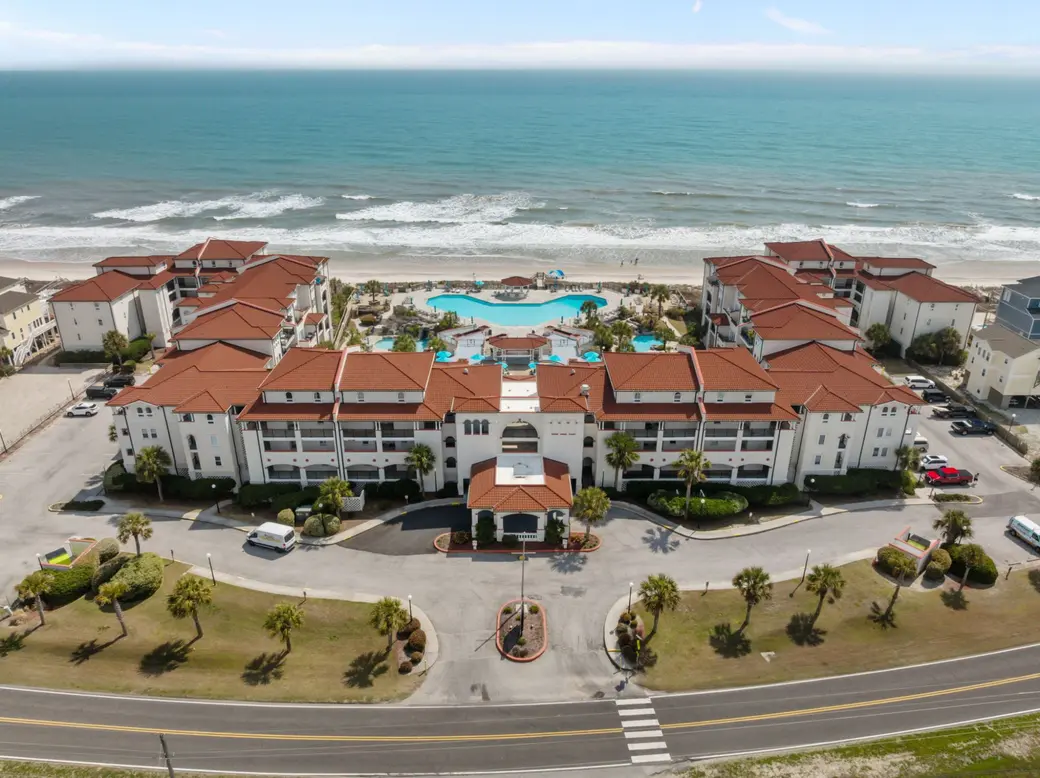
How Do I Prepare a Vacation Rental to Put It on the Market?
Preparing a vacation rental for sale involves more than cleaning the house and scheduling professional photography. Owners should focus on the property's condition, presentation, rental records, existing reservations, and the information a potential buyer will need to evaluate the property.
For vacation rental owners in Surf City, Topsail Beach, North Topsail Beach, and throughout Coastal North Carolina, the goal is to make the property appealing to buyers while organizing the details that come with an active rental business.
The best place to start is with a pre-listing plan: assess the property's condition, coordinate with your property manager, gather rental and maintenance records, prepare the home for showings, and discuss pricing and marketing with a local real estate professional.
1. Evaluate the Property's Condition Before Listing
Vacation rentals experience regular guest turnover, which can create wear and tear that is easy to overlook when you're accustomed to managing the property.
Before listing, walk through the home as though you were seeing it for the first time. Look for visible maintenance issues, worn furnishings, damaged finishes, and anything that could distract a buyer from the property's strengths.
Focus on:
-
Interior repairs: Address dripping faucets, damaged trim, sticking doors, loose hardware, and visible wall or ceiling damage.
-
HVAC and appliances: Arrange appropriate servicing if needed and confirm that included appliances and systems are operating as expected.
-
Coastal wear and tear: Inspect decks, railings, exterior finishes, windows, doors, and metal fixtures for visible deterioration associated with exposure to salt air and moisture.
-
Water intrusion: Investigate signs of leaks, moisture, or water damage with the appropriate qualified professional.
-
Outdoor areas: Clean decks, porches, patios, stairs, and outdoor furniture. Make sure access areas are tidy and presentable.
You do not necessarily need to renovate the entire property before selling. A local pricing and preparation consultation can help you decide which repairs are worth completing before listing and which improvements may not be necessary.
2. Deep-Clean and Stage the Vacation Rental
A property can photograph beautifully online but feel less appealing in person if it looks cluttered, smells musty, or shows signs of frequent guest use.
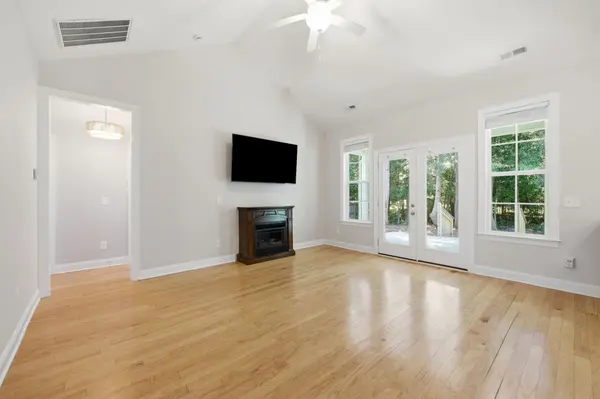
Schedule a thorough cleaning before photography and showings. Pay particular attention to kitchens, bathrooms, flooring, windows, ceiling fans, light fixtures, and high-touch surfaces.
Then simplify the furnishings and décor.
Consider these preparation steps:
-
Remove unnecessary countertop items and excess decorations.
-
Organize closets, owner storage areas, and utility spaces.
-
Replace visibly worn towels, bedding, and decorative pillows where appropriate.
-
Open blinds and curtains to maximize natural light.
-
Arrange furniture to emphasize room size, traffic flow, and views.
-
Remove personal belongings and secure valuables.
-
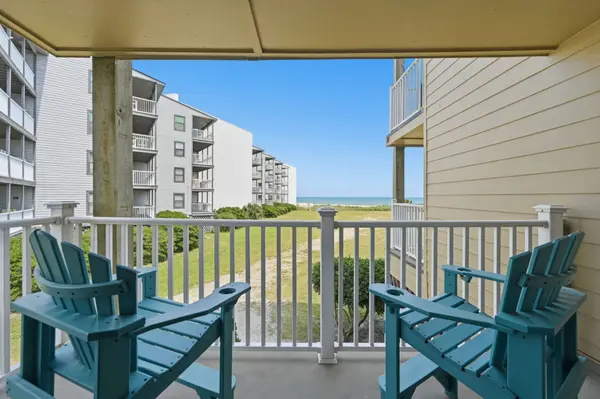
Refresh outdoor seating areas so buyers can picture enjoying the coastal lifestyle.
If the property is sold furnished, avoid automatically removing everything. Attractive, well-maintained furnishings may help buyers envision continuing to use the home as a vacation rental or second home.
Instead, decide which furniture, appliances, décor, linens, and other personal property will convey with the sale. Create a clear inventory and discuss how the included items should be presented in the listing and documented in the transaction.
3. Organize Rental Income and Operating Records
A vacation rental may appeal to buyers looking for a personal beach retreat, a second home, or a property they can continue operating as a rental. Organized records can help prospective buyers better understand how the property has been used and what ownership involves.
Before listing, gather the information available to you, including:
-
Historical rental income statements and year-to-date results.
-
Current and future reservation calendars.
-
Property management agreements and fee schedules.
-
Maintenance, repair, and service records.
-
Utility expenses and recurring operating costs.
-
HOA or condominium association documents, if applicable.
-
Information about furnishings and equipment included in the sale.
-
Available warranties, permits, and records for major improvements.
If a property manager handles bookings and financial records, ask them to help assemble the appropriate documentation.
Be careful when presenting rental performance. Gross rental revenue is not the same as net income or owner proceeds. Management fees, cleaning expenses, repairs, utilities, association fees, and other operating costs may affect the property's financial performance.
Use accurate, supportable figures and clearly identify what each figure represents. Do not assume that historical rental results will continue under a new owner.
4. Review Existing Reservations Before Choosing a Listing Date
Existing vacation rental reservations are one of the most important details to address before putting a Coastal North Carolina rental on the market.
A calendar full of future bookings may be attractive to an investor, but those reservations can also affect showing access, the timing of a sale, and the buyer's plans for using the property.
Start by reviewing the complete reservation calendar with your property manager. Identify upcoming stays, deposits, advance rental payments, management arrangements, and any cancellation or transfer procedures that may apply.
North Carolina's Vacation Rental Act includes specific provisions addressing the transfer of property subject to vacation rental agreements. Under N.C. Gen. Stat. § 42A-19, a purchaser generally takes title subject to covered vacation rental agreements ending no later than 180 days after the purchaser's interest is recorded. The statute also addresses disclosure of rental periods before a sale contract and the transfer of tenant and agreement information after the sale. The precise requirements and circumstances should be reviewed for the particular transaction.
Before listing, work with your real estate agent and property manager to establish:
-
Which reservations are already confirmed.
-
Which dates are available for photography, inspections, and showings.
-
Whether new reservations should be accepted while the property is being marketed.
-
How advance rental payments, deposits, and management fees will be accounted for.
-
What information must be provided to prospective buyers.
-
How the existing rental schedule may affect the sale timeline.
Do not assume that an owner can simply cancel bookings or that a buyer can automatically disregard them. Review the applicable agreements and obtain legal guidance when needed.
5. Check Coastal Features and Property Documentation
Buyers considering a vacation rental along Topsail Island may have questions about more than the home's appearance. Depending on the property, they may also want information about its exterior condition, flood exposure, insurance, utilities, and shared amenities.
Gather the documents you already have, such as:
-
Survey and available elevation certificate.
-
Roof, HVAC, and other major system service records.
-
Available permits and documentation for renovations or additions.
-
HOA or condominium association rules, fees, and relevant assessments.
-
Septic system or well records, if applicable.
-
Pool, dock, elevator, or other specialized equipment maintenance records, if applicable.
-
Available flood insurance and homeowners insurance information.
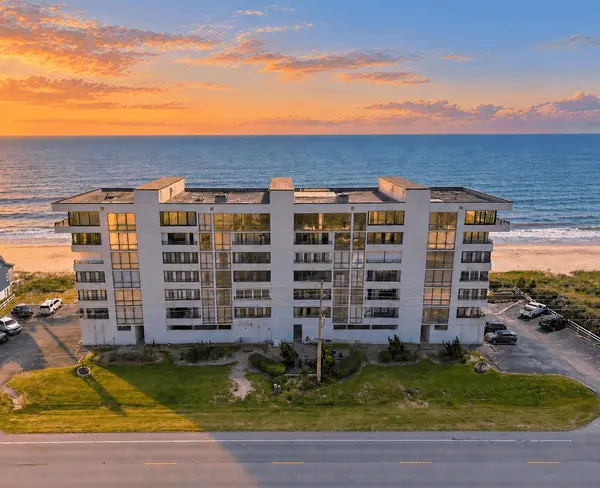
The specific documents that matter will depend on the property. For example, an oceanfront condominium in North Topsail Beach may involve different association documents and shared-building systems than a single-family rental in Holly Ridge or Sneads Ferry.
Do not assume that an older inspection, insurance policy, permit, or elevation certificate establishes the property's current condition or insurability. If questions arise about structural condition, flood exposure, insurance coverage, or septic systems, refer them to the appropriate qualified professional.
6. Decide Whether to Sell Furnished or Unfurnished
Many vacation rentals contain furniture, appliances, kitchen equipment, linens, electronics, and outdoor furnishings accumulated over several years.
Before listing, decide what you intend to include in the sale and what you plan to keep.
Selling furnished may appeal to buyers who want a ready-to-use second home or who are interested in continuing vacation rental operations. Selling unfurnished may be more appropriate if the furnishings are dated, heavily worn, or personally valuable to you.
There is no universal answer. Consider the property's condition, the likely buyer audience, and the expectations associated with comparable properties.
Create an inventory of items that will convey and clearly identify exclusions. If furnishings or equipment are important to the property's marketed rental operation, discuss how those items should be documented in the offer and any applicable contract addenda.
7. Plan Photography and Showings Around Guest Turnover
An active vacation rental creates a practical challenge: the property may be occupied when you need to prepare it for sale.
Coordinate photography, cleaning, repairs, and showings with your property manager well in advance. If possible, schedule professional photography after a thorough turnover cleaning and before the next guest arrives.
For marketing, emphasize the property's genuine strengths, which might include:
-
Ocean, sound, or Intracoastal Waterway views.
-
Proximity to beach access or local attractions.
-
Outdoor living areas and decks.
-
A functional floor plan for family and guest use.
-
Parking, storage, and community amenities.
-
Updates and features that distinguish the property from comparable homes.
Use accurate photographs and listing information. Make sure the property is presented as it actually exists, and do not imply that furnishings, amenities, views, or rental rights are included when they are not.
Your showing plan should also account for guest privacy, property access, cleaning schedules, and existing rental commitments. Agree on a practical process with your listing agent and property manager before the property goes live.
8. Establish a Pricing Strategy for Your Vacation Rental
Pricing a vacation rental requires looking at the property as real estate, not simply assigning a value based on its past rental revenue or the amount invested in improvements.
A comparative market analysis (CMA) can help you evaluate recent sales of similar properties, current competition, location, condition, views, amenities, and other relevant differences.
For a coastal vacation rental, the analysis may also consider whether the property is oceanfront, has sound or waterway access, belongs to a condominium community, or offers features that appeal to a particular buyer group.
Rental history can provide useful context, especially when a buyer is evaluating the property as a potential investment. However, revenue alone does not establish market value. Expenses, future bookings, rental restrictions, property condition, and buyer preferences can all influence a buyer's decision.
Before settling on an asking price, discuss:
-
Recent comparable sales and competing listings.
-
The property's condition and any needed repairs.
-
Which furnishings and equipment will be included.
-
The availability of rental records and documentation.
-
Existing reservations and the anticipated closing timeline.
-
The most likely buyer audience for the property.
A property-specific pricing strategy is more useful than relying solely on an online estimate or the original purchase price.
9. Create a Pre-Listing Checklist
Use this checklist to organize your preparation before your vacation rental hits the market.
Vacation Rental Seller Checklist
0/19 complete
Property condition
Cleaning and presentation
Rental records
Coastal property documents
Listing strategy
Frequently Asked Questions
Should I stop accepting vacation rental bookings before listing?
Not automatically. Review your reservation calendar, property management agreement, anticipated sale timeline, and the terms that may apply to existing or future bookings. Discuss a booking strategy with your listing agent and property manager before making changes.
Do I need to renovate my vacation rental before selling?
Not necessarily. Start with visible maintenance issues, cleanliness, and presentation. Major renovations should be evaluated individually based on the property's condition, comparable sales, likely buyer expectations, and the cost of the work.
Should I sell my beach rental furnished?
That depends on your furnishings, the likely buyer, and your selling goals. A furnished property may appeal to someone seeking a second home or an existing vacation rental, but buyers may have different preferences. Clearly document what is included and excluded.
How do I determine what my vacation rental is worth?
Start with a property-specific comparative market analysis that considers recent comparable sales, location, condition, amenities, and other relevant features. Rental income and operating expenses can provide additional context, but they should not be treated as a substitute for a real estate market analysis.
Can I sell my vacation rental while guests have future reservations?
A sale may be possible while reservations remain in place, but the existing agreements can affect the transaction. North Carolina's Vacation Rental Act addresses the transfer of property subject to qualifying vacation rental agreements. Review the applicable agreements and statutory requirements with your real estate professional and, when appropriate, a North Carolina attorney before proceeding.
Prepare Your Coastal North Carolina Vacation Rental for a Successful Sale
Selling a vacation rental involves coordinating the property's physical condition, presentation, rental records, existing bookings, and pricing strategy. Getting those details organized before listing can help you make informed decisions and prepare for questions from prospective buyers.
Whether you own an oceanfront condominium in North Topsail Beach, a beach house in Surf City, or a vacation rental in Topsail Beach, Sneads Ferry, or another Coastal North Carolina community, your preparation plan should reflect the specific property and your goals as a seller.
Streamline Realty Team, Powered by Real Broker, LLC, can help you evaluate your property's market position, identify practical pre-listing priorities, and develop a marketing strategy tailored to your property. If you're considering selling your vacation rental, start with a property-specific consultation to discuss value, preparation, timing, and the next steps toward bringing it to market.
Categories
Recent Posts



GET MORE INFORMATION