
Is It Better to Sell a Home Furnished or Unfurnished?
Is It Better to Sell a Home Furnished or Unfurnished?
If you're preparing to sell your home, you may be wondering whether you should leave the furniture in place or move everything out before listing. The answer depends on your property's location, condition, likely buyer, and how the home will be presented to the market.
For many Coastal North Carolina homeowners, selling furnished can be an attractive option for second homes, beach properties, and vacation rentals. Selling unfurnished may be more practical for primary residences, homes with dated furnishings, or properties that would benefit from a fresh presentation.
The best approach is the one that helps buyers appreciate the property itself while supporting your selling goals. You don't necessarily have to choose between leaving everything and removing everything. Selective furnishing or professional staging may offer a better solution.
When Does Selling a Home Furnished Make Sense?
Selling furnished may be worth considering when the furniture complements the home and appeals to the buyers most likely to be interested in the property.
This can be particularly relevant in Coastal North Carolina, where some homes are used as second residences, beach retreats, or vacation rentals.
1. You're Selling a Beach Home or Vacation Property
In Surf City, Topsail Beach, and North Topsail Beach, a property may appeal to buyers who want a place to enjoy themselves without starting from scratch.
For these buyers, an attractive, well-maintained furnished home may offer convenience. Existing bedroom furniture, dining areas, living room pieces, and outdoor seating can help them picture how they might use the property.
Furnishings may also be relevant to buyers considering a vacation rental. However, selling a furnished property does not guarantee that the buyer can operate it as a rental. Rental rules, applicable restrictions, property-management arrangements, and other considerations should be evaluated separately.
Before advertising a property as turnkey or ready for rental use, make sure that description accurately reflects what is included and what the buyer can actually do with the property.
2. The Furniture Helps Showcase the Home
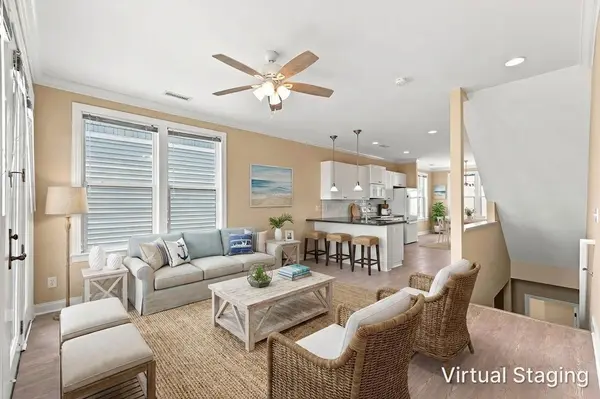
Furniture can help buyers understand how a room functions. A thoughtfully arranged living room, a properly furnished bedroom, or a comfortable deck seating area can help demonstrate the property's potential.
This is especially helpful when a home has an open floor plan, unusual room dimensions, or indoor-outdoor living spaces.
If your furnishings are in good condition, fit the rooms well, and complement the home's design, leaving selected pieces in place may help create a welcoming presentation.
3. You Want to Simplify Your Move
If you're relocating, downsizing, or selling a second home, moving every piece of furniture may not be worth the additional effort.
A buyer who appreciates the furnishings may be interested in purchasing some or all of them as part of a separately agreed arrangement. This could reduce the amount of furniture you need to transport, store, or dispose of.
However, don't assume the buyer wants everything simply because the home is furnished. Discuss the possibilities before making a decision, and establish exactly what is included in any agreement.
When Is It Better to Sell a Home Unfurnished?
Removing the furniture may be the better strategy when the existing furnishings distract from the home's strongest features or don't match the expectations of likely buyers.
1. The Furniture Is Dated or Worn
Furniture that is damaged, heavily worn, oversized, or highly personalized can make a home feel less appealing.
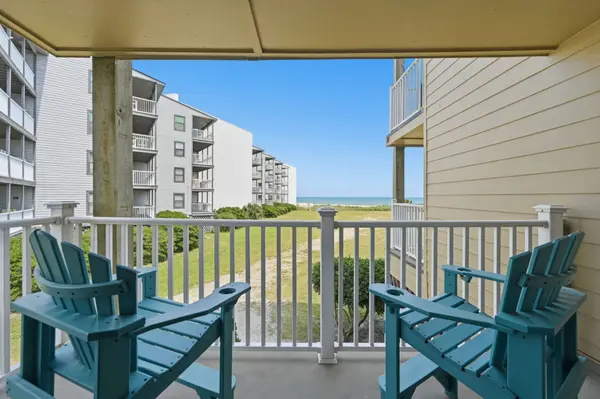
For example, bulky furniture may make a coastal condominium's living room appear smaller than it is. Excessive decorations can also distract buyers from ocean views, natural light, updated finishes, or the layout of the home.
If your furnishings compete with the property's best features, removing some or all of them may improve the presentation.
2. Buyers May Prefer to Choose Their Own Furnishings
Someone purchasing a primary residence may already have furniture or want to create a space that reflects their own style.
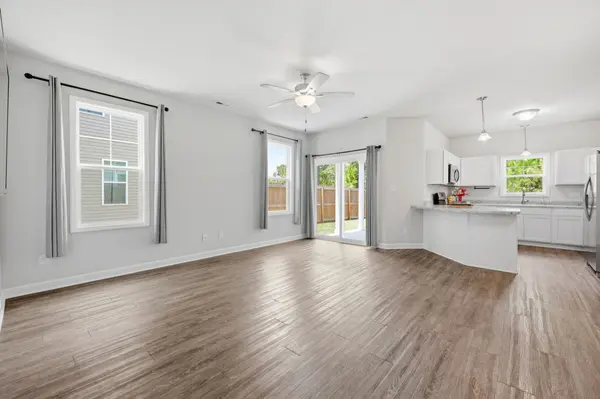
An unfurnished home can offer a blank slate, particularly when the interior is clean, well-maintained, and ready for the buyer to personalize.
That doesn't mean an empty property will always show better. If removing furniture leaves rooms looking small, awkward, or difficult to visualize, selective staging may be worth considering.
3. You Want to Focus Attention on the Property
When preparing a home for sale, the goal is to help buyers notice its features rather than its contents.
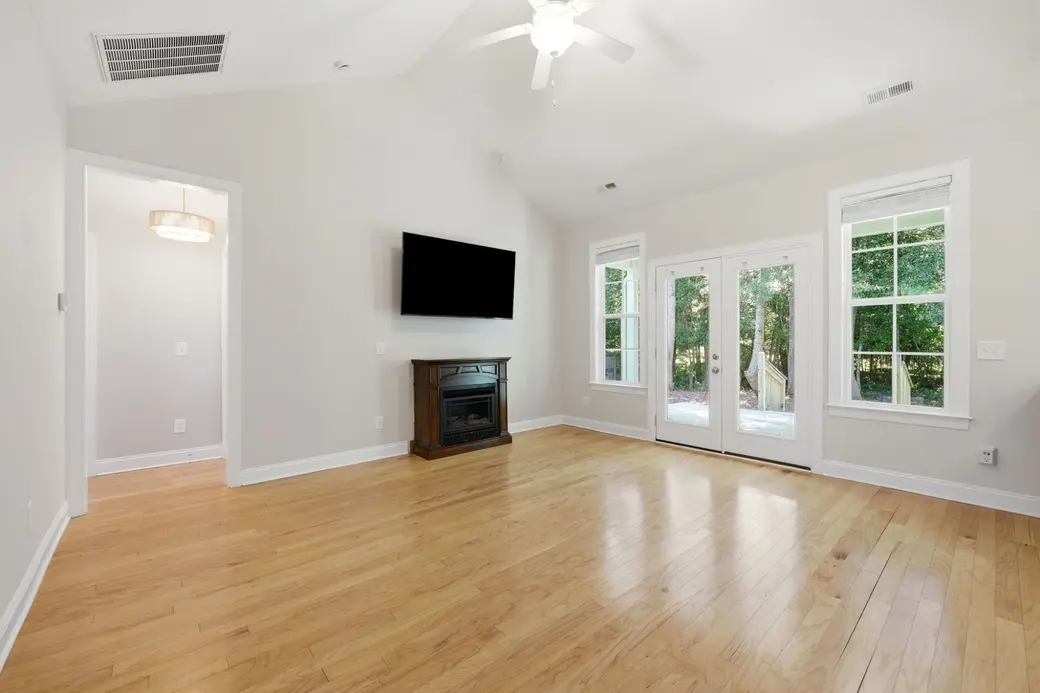
Removing excess furniture can make walkways easier to navigate, improve the flow between rooms, and draw attention to features such as hardwood floors, updated kitchens, spacious bedrooms, or coastal views.
An unfurnished home should still be clean, well-lit, and carefully prepared for photographs and showings.
Does Selling a Home Furnished Increase Its Value?
Not necessarily. Furniture can make a property more convenient or visually appealing, but it does not automatically increase the market value of the real estate.
The value of the home and the value of its furnishings are separate considerations. Buyers may appreciate a well-maintained furniture package, while others may prefer to purchase the property without it.
When determining your asking price, focus on the real estate itself, including its condition, location, features, and relevant comparable sales. If furnishings are being offered, evaluate that arrangement separately rather than assuming their original purchase price translates into additional property value.
For a Coastal North Carolina property, the likely buyer matters. A furnished beach condominium marketed toward second-home buyers may call for a different presentation strategy than a year-round residence in Holly Ridge, Sneads Ferry, Wilmington, or Jacksonville.
A property-specific pricing analysis can help you understand how your home compares with similar properties and how its presentation may influence buyer interest.
Should You Stage a Home Instead of Selling It Furnished?
Staging is another option if you want the benefits of an attractive presentation without including all your existing furniture in the sale.
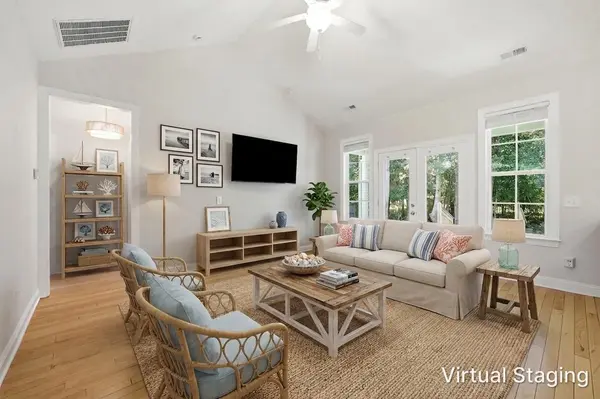
Staging involves arranging selected furnishings and accessories to help buyers understand a property's layout, scale, and potential. Depending on the home, this may involve using your existing furniture, removing unnecessary items, rearranging rooms, or bringing in selected pieces.
Consider these options:
-
Keep the existing furniture: Best when the furnishings are attractive, in good condition, and appropriate for the home.
-
Remove excess furniture: Useful when rooms feel crowded or the furniture distracts from the property's features.
-
Stage selected rooms: May help buyers visualize spaces that would otherwise feel empty or difficult to furnish.
-
Sell the property unfurnished: Worth considering when the furniture is dated, overly personal, or unlikely to appeal to the target buyer.
-
Offer furnishings separately: May appeal to a buyer who wants convenience without requiring every buyer to accept the furniture.
The right choice depends on the home, the likely buyer, the cost of preparing the property, and your selling timeline.
What Should Coastal North Carolina Sellers Consider Before Listing?
Before deciding whether to sell furnished or unfurnished, evaluate the following factors.
Your Property Type
A primary residence, oceanfront condominium, second home, and vacation rental may attract different types of buyers. Consider how the property's intended use influences what those buyers may value.
The Condition of the Furniture
Look at the furnishings objectively. Are they clean, functional, appropriately sized, and visually consistent with the home? Would they help the property photograph well, or would removing them improve the overall presentation?
The Property's Best Features
Consider what makes your home stand out. Ocean views, sound-front settings, outdoor living areas, natural light, and open living spaces may deserve more attention than decorative items or oversized furniture.
The Cost and Logistics of Moving
Moving, storing, donating, or disposing of furniture can involve time and expense. Compare those considerations with the potential benefits of keeping selected pieces in place or negotiating a separate arrangement with a buyer.
The Likely Buyer
Think about whether your property is most likely to appeal to someone seeking a primary residence, a second home, or a property they intend to use as a rental. This can help determine whether furnishings are a benefit, a distraction, or simply a matter of personal preference.
The Listing Strategy
Look at how comparable properties are presented and how your home will compete in its specific market. Your real estate agent can help you assess whether the existing furnishings support the property's positioning and recommend practical preparation steps.
What Happens to Furniture Included in a North Carolina Home Sale?
If you plan to leave furniture or other personal property for the buyer, make sure the arrangement is clearly documented.
North Carolina REALTORS® explains that personal property mentioned in marketing materials does not automatically become part of the transaction simply because it appears in the listing or a brochure. Items intended to transfer should be properly identified in the applicable purchase contract or another appropriate written agreement.
This is particularly important when selling a furnished beach home or vacation rental. Clarify which furniture, appliances, electronics, outdoor items, and other belongings are included, which will be removed, and whether any items are being offered under a separate arrangement.
For a property with an existing rental operation, additional questions may arise about future reservations, rental-related items, and management arrangements. Address these details early and coordinate with your real estate agent and closing attorney as appropriate.
The terms of the executed contract and the circumstances of the transaction control. If you have questions about how a specific agreement should be structured, consult the appropriate qualified professional.
So, Should You Sell Your Home Furnished or Unfurnished?
There is no single answer that works for every property.
Selling furnished may make sense when the furnishings complement the home, appeal to the likely buyer, and offer a practical benefit. Selling unfurnished may be the better option when the furniture is dated, rooms feel crowded, or buyers are more likely to prefer a blank slate.
For some properties, a middle-ground approach works best: remove personal belongings and excess furniture, keep the pieces that enhance the space, and stage selected areas as needed.
Before you start moving furniture or paying for storage, consider how your property should be positioned in its local market.
Preparing to Sell in Coastal North Carolina?
If you're thinking about selling a home in Surf City, Topsail Beach, North Topsail Beach, Holly Ridge, Sneads Ferry, Wilmington, or Jacksonville, Streamline Realty Team can help you evaluate how your property's presentation fits your selling goals.
A property-specific consultation can help you determine which furnishings to keep, what to remove, whether staging may be worthwhile, and how to position your home for its likely buyer.
Contact Streamline Realty Team, Powered by Real Broker, LLC, to discuss your property and develop a selling strategy tailored to your home and local market.
Categories
Recent Posts





GET MORE INFORMATION