
Should I Empty My House Before Selling It?
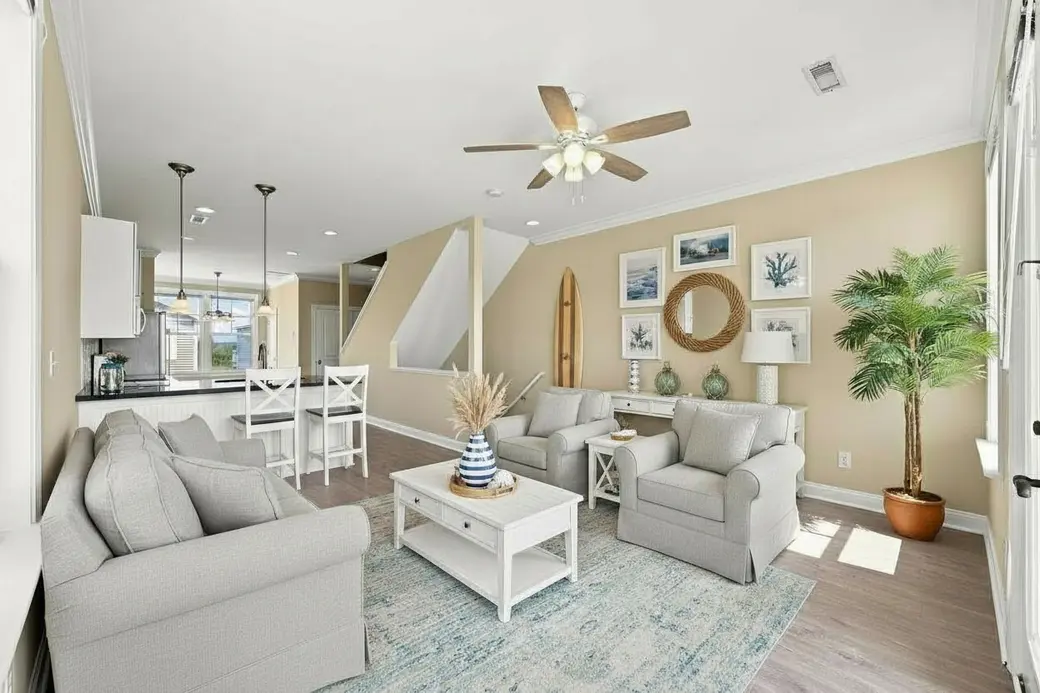
Should I Empty My House Before Selling It?
No, you do not necessarily need to empty your house before selling it. For many homeowners in Coastal North Carolina, the better approach is to remove excess belongings, simplify the furniture and decor, and make the home as clean and inviting as possible. Whether you should leave furniture in place or sell your home completely empty depends on the property's condition, layout, current furnishings, and your moving plans.
If you're preparing to sell a home in Surf City, Topsail Beach, North Topsail Beach, Holly Ridge, Sneads Ferry, Wilmington, or Jacksonville, you may be wondering whether moving everything out before listing is worth the extra time and expense.
The good news is that you often have options between leaving everything as it is and clearing out the entire house.
Why You May Not Need to Empty Your House Before Selling
Furniture and personal belongings do not automatically prevent a home from making a good impression. The goal is to help prospective buyers see the property's space, layout, features, and potential.
A home that is clean, organized, and thoughtfully arranged can be presented effectively while the owner is still living there.
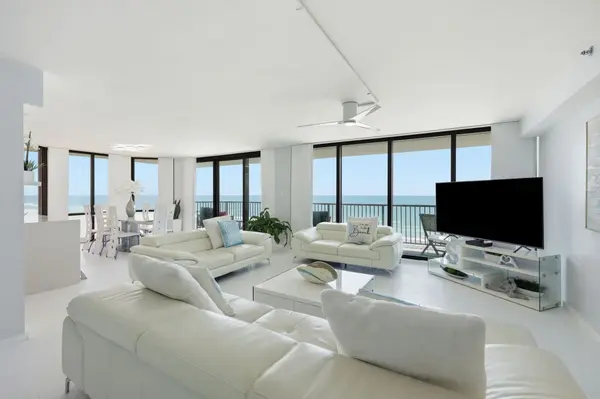
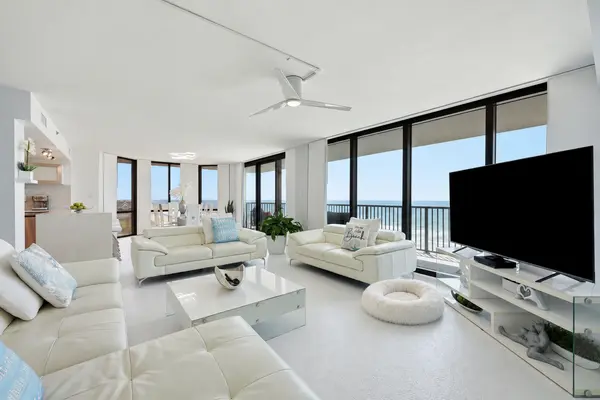
Keeping selected furniture may also help buyers understand how to use a room. For example, a dining table can establish the purpose of an open dining area, while a sofa and a few chairs can help illustrate the layout of a living room.
Instead of focusing on removing everything, start by asking whether each item helps the home look its best or makes the space feel crowded.
What Should You Remove Before Listing Your Home?
You may not need to move out completely, but reducing clutter can make preparing your home for showings easier.
Start with these areas:
-
Personal photographs and memorabilia: Put away items that make the home feel highly personalized or reveal private information.
-
Excess furniture: Remove oversized or unnecessary pieces that obstruct walkways or make rooms feel smaller.
-
Kitchen and bathroom counters: Keep surfaces clear of unnecessary appliances, toiletries, and everyday items.
-
Closets and storage spaces: Pack away items you do not regularly use. Organized storage areas help buyers see the available space.
-
Garage, attic, and utility areas: Remove unnecessary belongings so buyers can better understand how these spaces function.
-
Outdoor areas: Organize beach equipment, yard tools, outdoor furniture, and other belongings that may distract from the property's outdoor features.
For coastal homes, this can be especially helpful when outdoor living spaces, decks, porches, storage areas, or water views are important features of the property.
The objective is not to erase every sign that someone lives there. It is to make the home's features easier to appreciate.
Should You Leave Furniture in the House When Selling?
In many situations, leaving some furniture in place is a practical option. The right decision depends on how the furnishings affect the appearance and functionality of each room.

Leave selected furniture when it helps
A well-arranged sofa, dining table, bed, or a few accent pieces can help buyers understand the room's purpose and visualize how they might use it. Keep pieces that complement the space without overcrowding it.

Remove furniture when it distracts
If furniture is worn, oversized, mismatched, or makes a room difficult to navigate, removing it may improve the presentation. An empty room can also work well when its size and layout are easy to understand.
You can also take a middle-ground approach: keep the most useful pieces and move the rest into storage or your next home.
There is no single furniture arrangement that works for every property. The goal is to present the home in a way that makes sense for its individual features.
Is It Better to Sell a House Empty or Furnished?
Neither option is automatically better. Each has potential advantages, depending on your circumstances.
|
Selling with furniture |
Selling an empty home |
|---|---|
|
Can help buyers understand room layouts |
Can make cleaning, repairs, and access easier |
|
May create a more welcoming atmosphere |
Removes personal belongings and visual clutter |
|
May require ongoing tidying before showings |
May make room dimensions harder to judge |
|
Requires coordination around everyday living |
May require a plan for staging or presentation |
An empty house can be perfectly appropriate for sale, particularly if you have already moved. However, removing all furniture does not guarantee that the home will look larger or more appealing in photographs.
Likewise, leaving furniture behind does not mean the home is properly prepared. Its condition, cleanliness, lighting, and overall presentation still matter.
The decision should be based on the property rather than on a blanket rule that every home must be empty before it goes on the market.
Does an Empty House Make It Easier to Sell?
An empty house can be easier to access for cleaning, maintenance, and certain repairs. It may also simplify your move if you have already relocated.
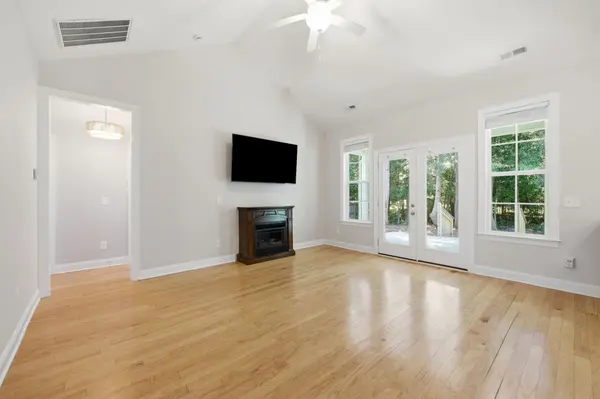
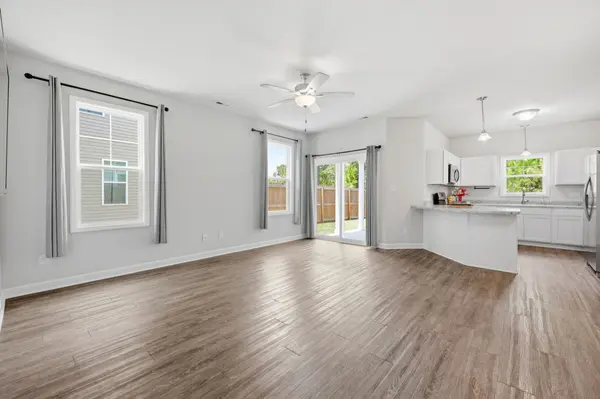
However, an empty property can present challenges. Without furniture, buyers may have a harder time judging room proportions or imagining how the space could be used. An empty home can also make scuffs, wall marks, worn flooring, and other imperfections more noticeable.
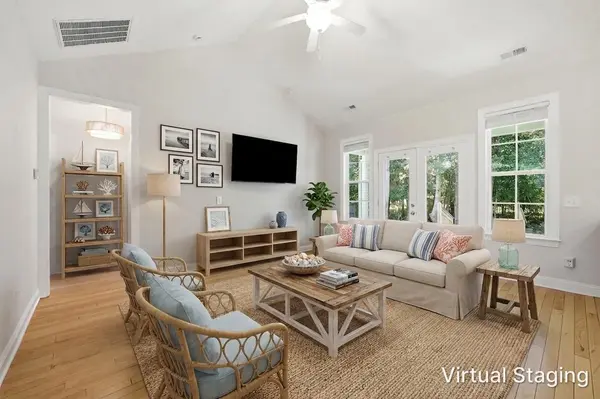
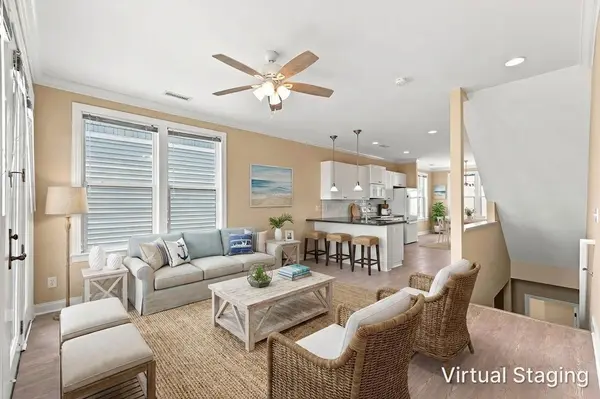
If your home will be vacant before listing, consider whether a professional staging consultation or limited virtual staging for listing photographs would be useful. Any virtually enhanced images should be handled transparently and should not misrepresent the property.
Remember that staging is not necessarily an all-or-nothing decision. Sometimes a clean, empty home is the right choice. In other cases, a few carefully selected furnishings can help communicate the home's layout and appeal.
What If You Still Live in Your House While Selling It?
Many sellers need to remain in their homes while they search for their next property, coordinate a move, or prepare for closing. You do not necessarily have to move out before your home is listed.
Instead, create a manageable plan to prepare the property for photographs and showings.
Consider these practical steps:
-
Pack early. Begin with seasonal clothing, decorations, collections, and belongings you will not need before moving.
-
Reduce the amount of furniture. Prioritize open walkways and clear views of the room's most important features.
-
Create a showing routine. Keep kitchen counters, bathroom surfaces, and entryways tidy so the home is easier to prepare when a showing is scheduled.
-
Protect valuables and personal information. Secure jewelry, medications, financial documents, mail, and other sensitive belongings.
-
Plan for pets and daily necessities. Decide where pet supplies, laundry, toys, and other frequently used items can be stored between showings.
You do not have to make your home look as though nobody lives there. Focus on a clean, organized presentation that you can realistically maintain throughout the selling process.
Special Considerations for Coastal North Carolina Homes
Preparing a property for sale in Coastal North Carolina may involve more than rearranging furniture.
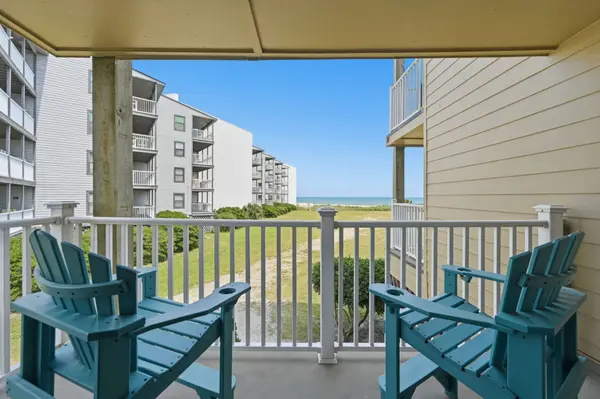
For homes in Surf City, Topsail Beach, and North Topsail Beach, outdoor spaces can be important parts of the property's presentation. Decks, porches, beach-access areas, storage spaces, and water views should be easy to appreciate when those features are present.
For homes in Holly Ridge, Sneads Ferry, Wilmington, and Jacksonville, the right preparation plan will depend on the home's individual layout, condition, and features.
Before moving everything out, consider whether clearing a deck, organizing a garage, simplifying a furnished vacation property, or removing excess belongings would better showcase the home's most appealing characteristics.
If you own a furnished vacation or rental property, also consider how the furnishings and included personal property will be handled in the sale. Any arrangements involving items that will remain or be removed should be discussed and documented appropriately as part of the transaction.
The best preparation plan is the one that highlights the actual property without creating unnecessary moving or storage expenses.
How Do You Decide What to Remove Before Selling?
Before you rent a storage unit, hire movers, or start emptying every room, walk through your home with your selling goals in mind.
Ask yourself:
-
Does this furniture help buyers understand the room?
-
Is anything blocking natural light, walkways, windows, or views?
-
Are countertops, closets, and storage areas crowded?
-
Would removing this item make the home easier to clean or photograph?
-
Have I considered the time and cost of moving items twice?
-
Would the home benefit from selected furnishings, or would an empty presentation work better?
Your answers can help you determine whether you need a complete move-out, partial decluttering, or a more targeted staging plan.
A real estate professional familiar with your local market can help you identify which areas deserve attention before photography and showings. For more involved staging decisions, a professional home stager may also be helpful.
So, Should You Empty Your House Before Selling It?
Usually, you should start by decluttering rather than automatically emptying the entire house. Remove excess belongings, simplify crowded rooms, organize storage areas, and evaluate whether the remaining furniture helps showcase the property.
A completely vacant home can still be a good choice when it fits your moving plans or the property's needs. The important thing is to make the decision intentionally rather than assuming that empty is always better.
If you're preparing to sell in Surf City, Topsail Beach, North Topsail Beach, Holly Ridge, Sneads Ferry, Wilmington, Jacksonville, or the surrounding Coastal North Carolina area, Streamline Realty Team can help you think through the property's presentation before you begin moving everything out.
Thinking about selling your Coastal North Carolina home? Contact Streamline Realty Team for a pre-listing consultation to discuss your property's features, preparation priorities, and a marketing strategy tailored to your home.
Categories
Recent Posts


GET MORE INFORMATION