What Can Hurt Your Home's Value When Selling in Coastal NC?
What Can Hurt Your Home's Value When Selling in Coastal NC?
If you're preparing to sell a home in Coastal North Carolina, one of the most important questions to ask is: what could reduce my home's value in the eyes of buyers?
In markets like Surf City, Topsail Beach, North Topsail Beach, Sneads Ferry, Wilmington, Jacksonville, and other coastal communities, buyers often evaluate homes differently than they would in inland areas. While pricing, location, and market conditions always matter, coastal properties face unique challenges that can affect both buyer demand and perceived value.
Here are some of the most common factors that can hurt a home's value when selling in Coastal NC.
Deferred Maintenance
One of the biggest threats to home value is simply putting off maintenance.
Buyers often view visible maintenance issues as a sign that additional, hidden problems may exist. Even relatively minor concerns can create doubt and lead to lower offers or additional negotiation requests.
Common examples include:
- Peeling or faded exterior paint
- Damaged decking or railings
- Worn flooring
- Leaking fixtures
- Roof concerns
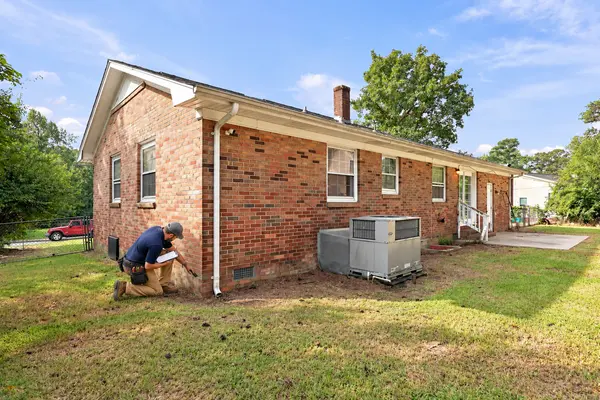
- HVAC systems nearing the end of their useful life
- Damaged siding or trim
In coastal environments, maintenance issues can become more noticeable because salt air, humidity, and weather exposure tend to accelerate wear and tear on exterior materials and mechanical systems. Buyers familiar with coastal ownership often pay close attention to signs of deferred maintenance.
Salt-Air Damage
Living near the coast comes with benefits, but it also creates unique maintenance challenges.
Salt carried by coastal winds can contribute to corrosion and deterioration of:
- Exterior hardware
- HVAC equipment
- Metal roofing components
- Windows and doors
- Outdoor lighting
- Fasteners and structural connectors
When buyers see rust, corrosion, deteriorated hardware, or evidence of poor exterior upkeep, they may factor future maintenance costs into their offer price. Well-maintained homes often inspire more buyer confidence than similar properties showing signs of coastal wear.
Flood Zone and Insurance Concerns
Flood risk does not automatically make a property undesirable. Many highly desirable coastal homes are located within flood-prone areas.
However, uncertainty surrounding flood zones, elevation information, prior flood history, or insurance costs can make buyers hesitant.
When buyers are unable to easily understand:
- The property's flood designation
- Available elevation documentation
- Insurance requirements
- Historical flood-related information
they may perceive additional risk and reduce what they are willing to pay.
Providing organized documentation and property-specific information can often help reduce uncertainty during the selling process. Research has shown that flood risk and insurance considerations can influence coastal property values.
Storm Damage or Unresolved Repairs
Coastal buyers often pay close attention to a home's condition after major weather events.
Visible signs of unrepaired storm damage may raise concerns about:
- Roof integrity
- Water intrusion
- Structural issues
- Mold or moisture problems
- Insurance claims history
Even if a property has already been repaired, incomplete documentation can sometimes create questions for buyers. Keeping records of major repairs and improvements can help demonstrate that issues were properly addressed.
Moisture Problems and Mold Concerns
Humidity is a fact of life in Coastal North Carolina.
Excess moisture can lead to:
- Mold growth
- Mildew
- Wood deterioration
- Crawlspace concerns
- Interior air-quality issues
Buyers frequently notice musty odors, staining, excessive humidity, or visible signs of moisture. These issues can impact buyer confidence and potentially affect negotiations if discovered during inspections. Coastal buyers and inspectors often pay close attention to moisture management and ventilation.
Poor Curb Appeal
First impressions matter.
Before buyers ever step inside, they begin evaluating the property based on its exterior appearance.
Common curb appeal issues include:
- Overgrown landscaping
- Dirty siding
- Stained driveways
- Faded paint
- Unmaintained decks
- Broken exterior fixtures
Many curb appeal improvements are relatively inexpensive compared to major renovations, yet they can significantly improve buyer perception.
Overpricing the Property
Even a beautiful home can lose momentum if it's priced incorrectly.
When a home sits on the market longer than expected, buyers may begin wondering whether something is wrong with the property. This can reduce showing activity and create additional pricing pressure later.
A pricing strategy should consider current market conditions, comparable sales, property condition, location, and the specific features that make a coastal property unique.
Outdated Features Buyers View as Costly
Not every update is necessary before selling, but certain outdated features can affect buyer interest.
Examples may include:
- Severely dated kitchens
- Worn bathrooms
- Aging flooring
- Outdated lighting
- Inefficient windows
- Aging mechanical systems
Buyers often estimate future renovation costs and adjust their offers accordingly. The impact varies depending on price point, location, and overall property condition.
Incomplete Property Documentation
Many coastal properties have unique characteristics that buyers want to understand.
Helpful documentation may include:
- Survey information
- Elevation certificates (when available)
- Flood-related documentation
- Permits for major improvements
- Roof replacement records
- HVAC replacement records
- Repair and maintenance history
When documentation is readily available, buyers often feel more confident moving forward with a purchase.
The Bottom Line
Most factors that hurt home value in Coastal North Carolina come down to one thing: buyer confidence.
When buyers believe a property has been properly maintained, well-documented, and accurately priced, they are generally more comfortable making strong offers. When uncertainty exists—whether related to maintenance, flood concerns, moisture issues, or deferred repairs—buyers often factor that risk into their decision-making.
If you're considering selling a home in Surf City, Topsail Beach, North Topsail Beach, Sneads Ferry, Wilmington, Jacksonville, or elsewhere in Coastal North Carolina, a property-specific evaluation can help identify potential issues before your home reaches the market.
The Streamline Realty Team can help you evaluate your home's condition, discuss current market expectations, and develop a strategy designed to position your property as competitively as possible before listing.
Categories
Recent Posts
GET MORE INFORMATION