
How Do I Determine the Right Listing Price for My Coastal NC Home?
How Do I Determine the Right Listing Price for My Coastal NC Home?
Determining the right listing price for a Coastal North Carolina home takes more than looking at what a neighbor's house sold for or checking an online home-value estimate. The right price should reflect recent comparable sales, current competition, your home's condition and features, and the specific characteristics of your local coastal market.
For homeowners in areas such as Surf City, Topsail Beach, North Topsail Beach, Holly Ridge, Sneads Ferry, Wilmington, Jacksonville, and surrounding communities, pricing can require an especially close look at factors that may not matter as much in an inland market.
A good starting point is a Comparative Market Analysis (CMA) prepared by a knowledgeable local real estate broker. In North Carolina, a CMA is an analysis of similar recently sold properties used to derive an indication of the probable sales price of a particular property. A CMA is not an appraisal.
But the CMA is only part of the pricing conversation. Here's what Coastal NC homeowners should consider.
Start With Recent Comparable Sales
One of the most important pieces of a pricing strategy is understanding what similar properties have actually sold for.
A useful CMA generally considers properties that are reasonably comparable in factors such as:
- Location
- Property type
- Size and layout
- Number of bedrooms and bathrooms
- Lot characteristics
- Age and construction
- Overall condition
- Recent renovations and improvements
- Water access or water views
- Proximity to the beach
- Community amenities
- Other features that buyers in that particular market value
The goal isn't simply to find the three homes with the closest square footage. The most useful comparable properties are those that compete for the same buyers.
For example, an ocean-view home, an Intracoastal Waterway property, and an inland home a few miles from the beach may all have similar square footage but appeal to very different buyers. Treating them as interchangeable could lead to an inaccurate pricing strategy.
Look at the Competition, Not Just the Sold Homes
Recent sales tell you what buyers have paid. Current listings tell you what buyers are choosing from today.
If several similar homes are currently available in your area, your property needs to be positioned thoughtfully against that competition.
A pricing analysis should consider questions such as:
- What similar homes are currently listed?
- How do their condition and features compare with yours?
- Are there properties that offer a better location or view?
- Have competing properties recently reduced their prices?
- How does your home compare in terms of updates and overall presentation?
- What alternatives would a buyer consider if your home were priced at a particular level?
A home doesn't exist in a vacuum. Buyers shopping in Surf City, for example, may be comparing multiple properties across the island and nearby mainland communities. Understanding that competitive landscape can be just as important as looking backward at previous sales.
Coastal Features Can Influence Pricing
Coastal homes often have characteristics that require a more property-specific approach to pricing.
Depending on the location, these may include:
Water Views and Water Access
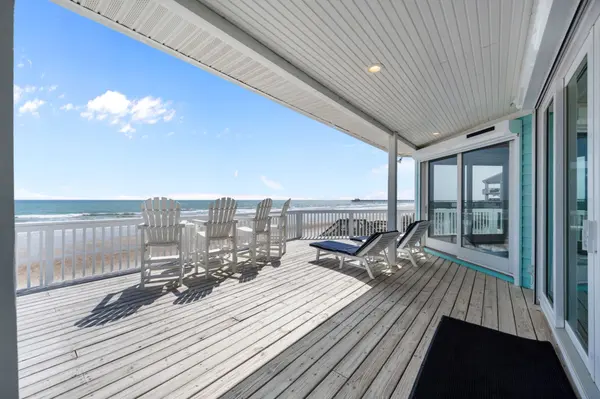
An ocean view, sound view, Intracoastal Waterway frontage, canal access, or proximity to a community boat launch can influence how buyers perceive a property.
However, not all views or water access are equivalent. The quality, direction, accessibility, and usability of those features matter.
Proximity to the Beach
Being close to the beach can be an important part of a property's appeal, but distance alone doesn't tell the entire story.
A pricing analysis should consider how your property's actual location compares with competing homes and what buyers can get at similar price points.
Flood Zone Considerations
Flood-zone information can be an important consideration for coastal property owners and buyers. It can affect how buyers evaluate a property and may lead to additional questions during the transaction.
Because flood maps, insurance requirements, and individual property circumstances can change, sellers should avoid assuming that one property's situation automatically applies to another. When flood-related questions arise, the appropriate current government and insurance sources should be consulted.
Vacation or Investment Properties
For properties that have been used as vacation rentals, rental history may be relevant to certain buyers.
However, rental income should not automatically be treated as a dollar-for-dollar addition to a home's price. Buyers may consider many other factors, including location, condition, operating expenses, rental restrictions, and the property's future income potential.
Don't Rely on Price Per Square Foot Alone
Price per square foot can be useful as one data point, but it shouldn't be the only pricing tool.
Two Coastal NC homes with similar square footage can have substantially different buyer appeal because of differences in:
- Location
- Views
- Waterfront access
- Lot size
- Renovations
- Construction quality
- Outdoor living areas
- Furnishings or rental history
- Community amenities
- Overall condition
A price-per-square-foot calculation may not adequately account for those differences.
That is why a property-specific analysis is generally more useful than applying a simple formula to the home's size.
Consider Your Home's Condition Honestly
Condition can play a significant role in how buyers perceive a listing.
Before establishing a price, take an objective look at the property. Consider:
- Are the major systems in good condition?
- Has the kitchen been updated?
- Are the bathrooms current?
- Is the exterior well maintained?
- Does the landscaping make a strong first impression?
- Are there visible maintenance issues?
- How does the home compare with other properties buyers can purchase at the same price?
This doesn't mean every seller needs to complete a major renovation before listing.
Sometimes the better strategy is to price the home appropriately for its current condition rather than spending money on improvements that may not produce a corresponding return.
The key is understanding the difference between preparing a home for the market and simply adding improvements because they seem desirable.
What About Online Home-Value Estimates?
Online estimates can be useful for giving homeowners a general starting point, but they shouldn't automatically be treated as the appropriate listing price.
Automated estimates may not fully account for property-specific characteristics that can matter in Coastal North Carolina, such as a particular water view, location, lot characteristics, condition, renovations, or other features.
For a seller considering an actual listing, local comparable sales and current competition provide much more useful context.
Should I Price High to Leave Room for Negotiation?
This is one of the most common questions sellers ask.
There isn't a universal answer because the appropriate pricing strategy depends on the property and the market.
However, intentionally pricing a home well above what the available market evidence supports can create challenges. If buyers consistently see comparable properties offering more value at lower prices, an overpriced home may receive less attention.
The better approach is to establish a price based on evidence and then consider your overall selling strategy.
Your goal isn't necessarily to choose the highest number you can imagine.
Your goal is to position the property where the right buyers recognize its value.
What Happens If I Price My Home Too Low?
Sellers are understandably concerned about leaving money on the table.
Pricing strategically doesn't mean simply choosing the lowest possible price to generate activity. It means understanding the range supported by the market and determining where your property is most competitive.
A properly supported pricing strategy should take into account the home's features, condition, competition, recent sales, and the seller's objectives.
In North Carolina, a broker performing a CMA is required to provide an indication of the probable selling price rather than represent the CMA as an appraisal or valuation.
How a Local CMA Can Help
For a Coastal NC homeowner preparing to sell, a local CMA can bring all of these pieces together.
A broker can review relevant sales and competition and help you understand how your property's characteristics compare with other homes in the market.
That analysis can help answer practical questions such as:
- What price range is supported by recent sales?
- Which competing homes could affect my listing?
- What features are likely to matter most to buyers?
- Should I make improvements before listing?
- How does my property compare with similar coastal homes?
- What pricing strategy makes sense for my selling goals?
North Carolina rules recognize CMAs as a distinct real estate brokerage activity, and current state law and Commission rules establish standards governing broker price opinions and comparative market analyses.
The Right Price Is Specific to Your Property
There is no single formula that determines the right listing price for every Coastal North Carolina home.
A Surf City vacation property, a North Topsail Beach oceanfront condo, a Holly Ridge home, a Sneads Ferry property, and a Wilmington residence may all require very different pricing considerations.
The strongest pricing strategy starts with the property itself and then looks outward at the market.
If you're considering selling, Streamline Realty Team can help you evaluate your property's position in the current market with a property-specific pricing conversation and CMA. Rather than relying on a generic online estimate, you can review the comparable properties, competition, condition, and coastal characteristics that are relevant to your home.
If you're not ready to list yet, that's okay. Understanding your home's probable selling price and what may affect that number can be a useful first step in deciding when and how to sell.
Categories
Recent Posts


GET MORE INFORMATION