
How Do I Sell a Home While I'm Still Living in It?
How Do I Sell a Home While I'm Still Living in It?
Selling a home while you're still living in it is entirely manageable with the right preparation, a flexible showing plan, and a few simple daily habits. You do not have to move out before listing your home. Instead, focus on keeping the most visible areas clean, reducing clutter, making it easy for buyers to schedule showings, and maintaining a comfortable routine for your household.
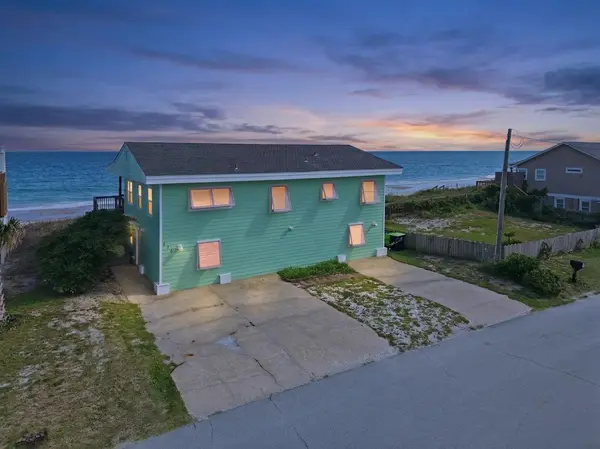
For homeowners in Surf City, Topsail Beach, North Topsail Beach, Holly Ridge, Sneads Ferry, Wilmington, and Jacksonville, selling an occupied home often means balancing everyday life with preparing the property for potential buyers. Whether you're selling a primary residence, a coastal cottage, or a waterfront home, a practical plan can help you present your property well without putting your life on hold.
1. Declutter Without Packing Up Your Entire Home
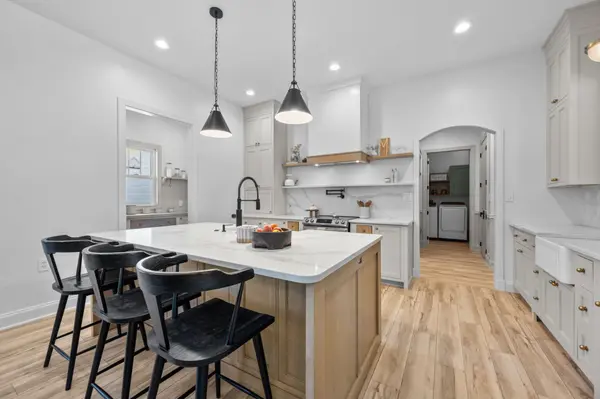
One of the most effective ways to prepare an occupied home for sale is to remove excess belongings. Buyers want to see the space, layout, storage, and features of a home—not feel distracted by personal items throughout every room.
Start with the areas buyers are most likely to notice:
-
Kitchen: Clear countertops of small appliances, mail, and unnecessary décor.
-
Living room: Remove excess furniture, toys, blankets, and decorative items that make the room feel crowded.
-
Bedrooms: Make beds daily, clear nightstands, and organize visible clothing.
-
Bathrooms: Store toiletries, cosmetics, and personal care products out of sight.
-
Entryways: Keep shoes, bags, and coats organized so the entrance feels welcoming.
-
Closets: Reduce overflowing clothing and reorganize shelves to make storage easier to see.
You don't need to eliminate every personal possession. The goal is to make the home feel spacious, clean, and easy for buyers to imagine themselves living in.
A helpful approach is to pack away items you won't need before moving, such as seasonal decorations, excess linens, collections, and rarely used kitchenware. This reduces clutter now and gives you a head start on packing later.
2. Create a Simple Daily Cleaning Routine
When you live in a home that's for sale, cleaning can feel like a never-ending task. Rather than deep-cleaning the entire house every day, establish a short routine that keeps the property ready for a potential showing.
Focus on the details that make the biggest visual difference:
-
Make the beds each morning.
-
Wipe down kitchen and bathroom surfaces.
-
Put dirty dishes in the dishwasher or wash them promptly.
-
Sweep or vacuum high-traffic areas as needed.
-
Empty visible trash cans.
-
Remove pet hair and odors.
-
Open blinds or curtains to bring in natural light when appropriate.
-
Do a quick walk-through before leaving the house.
Consider completing a more thorough cleaning before your listing photographs and then maintaining those results throughout the listing period.
In Coastal North Carolina, sand, humidity, and outdoor activity can create additional cleaning challenges. Entry mats, a designated place for beach gear, and a quick sweep near exterior doors can help keep floors under control.
3. Make a Plan for Showings
Showings can be the most challenging part of selling a home while living in it. You may need to work around your job, school schedules, pets, meals, and other commitments.
Before your home goes on the market, discuss a showing plan with your listing agent.
Consider these questions:
-
What days and times are generally easiest for your household?
-
How much notice would help you prepare?
-
Do you work from home or have children who need quiet spaces?
-
Are there pets that need to leave the property during showings?
-
Are there times when showings would be especially disruptive?
The goal is to establish a workable balance between your family's needs and reasonable opportunities for buyers to see the property.
Where possible, keeping some flexibility in your schedule can help accommodate interested buyers. However, you should communicate your limitations rather than trying to make every possible showing time work.
Important: Agree on showing procedures and access arrangements with your listing agent. Buyers and their agents should follow the property's authorized access instructions; you should not feel that you must leave your home without an agreed-upon showing arrangement.
4. Have a Quick Exit Checklist
When a showing is scheduled, you may have only a short window to get everyone ready and leave the property. A checklist helps make the process less stressful.
Before leaving, try to:
-
Put away personal items and clutter.
-
Wipe down kitchen and bathroom counters.
-
Make sure beds are made.
-
Turn off televisions and unnecessary background noise.
-
Secure medications, valuables, sensitive documents, and personal information.
-
Take pets with you or follow the agreed-upon pet plan.
-
Check that walkways and entrances are clear.
-
Follow your listing agent's instructions for lights, doors, and access.
Keep a small basket or storage bin available for items that tend to accumulate throughout the day, such as chargers, mail, toys, and everyday personal belongings. When a showing comes up, you can quickly gather these items and put them away.
If possible, keep a small bag packed with essentials for yourself and your family. Having keys, wallets, phones, and anything else you regularly need in one place can make last-minute departures easier.
5. Decide What to Do With Pets During Showings
Pets are part of the family, but their presence can complicate home showings. Some buyers may be uncomfortable around animals, and pets can become anxious when unfamiliar people enter the home.
If you have dogs, cats, or other pets, establish a plan before listing.
Options may include:
-
Taking dogs for a walk during scheduled showings.
-
Bringing pets with you when you leave.
-
Arranging for a trusted friend or family member to help when needed.
-
Using a secure, appropriate arrangement that has been discussed with your listing agent.
Avoid assuming that a pet can simply remain loose in the home. Even friendly animals may escape through an open door or react unpredictably to visitors.
Also, keep litter boxes, pet beds, food bowls, and other supplies clean and organized. Address lingering odors rather than relying solely on air fresheners to mask them.
6. Keep Personal Belongings and Valuables Secure
Preparing your home for buyers involves making the property accessible while protecting your privacy.
Before showings begin, put away personal documents, financial records, prescription medications, jewelry, small valuables, and items that display sensitive information. Secure computers and other devices containing private data.
If you have firearms or other items that require special security, arrange appropriate secure storage and follow applicable safety requirements.
Family photographs, calendars, mail, and documents on desks or counters may also reveal more personal information than you intend to share.
You do not have to remove every personal touch. Instead, focus on keeping private information out of sight and protecting items that should not be accessible to visitors.
Your listing agent can help establish appropriate access procedures and communicate showing expectations.
7. Prepare for Listing Photos While You're Still Living There
Professional listing photographs are often a buyer's first impression of your home. Before photography, focus on presenting the property clearly and highlighting its strongest features.
For Coastal North Carolina homes, that may mean drawing attention to a screened porch, outdoor living space, natural light, water views, or proximity to the beach when those features are present.
Before the photographer arrives:
-
Clear kitchen and bathroom counters.
-
Remove excess furniture and décor.
-
Put away pet supplies and visible trash cans.
-
Straighten bedding and window treatments.
-
Open blinds and curtains where appropriate.
-
Remove vehicles from the driveway if requested and practical.
-
Tidy porches, decks, patios, and entryways.
-
Make sure rooms are accessible and ready to photograph.
You can still live comfortably in the home after photography. The key is to maintain the general appearance established for the pictures, especially in the rooms featured most prominently in the listing.
If you have a busy household, consider keeping a few everyday items in a designated storage area so that clearing counters and common spaces takes only a few minutes.
8. Make Coastal North Carolina Features Easy to Appreciate
If you're selling a home in Surf City, Topsail Beach, North Topsail Beach, or another Coastal North Carolina community, think about how buyers will experience the property beyond its interior rooms.
Coastal homes often have features that deserve particular attention, depending on the property.
These may include:
-
Decks, porches, and outdoor entertaining areas.
-
Outdoor showers or designated spaces for beach equipment.
-
Storage for fishing, boating, or recreational gear.
-
Waterfront views or other water-related features.
-
Parking and access arrangements.
-
Landscaping and exterior areas affected by sand, salt air, or coastal weather.
Keep these areas tidy and accessible. Store beach chairs, fishing equipment, outdoor toys, and other belongings neatly rather than allowing them to accumulate near entrances or across decks.
If your property has waterfront access, a dock, or other specialized features, discuss with your listing agent how best to present them to prospective buyers.
Avoid spending money on unnecessary upgrades simply because you're selling. Prioritize cleaning, organization, and straightforward presentation before deciding whether additional preparation is worthwhile.
9. What If I Work From Home or Have Children?
Selling an occupied home requires a plan that works for the people who live there.
If you work from home, identify a quiet place where you can relocate during a showing. Keep confidential work materials and computer screens out of view, and consider how you will handle meetings when a showing is scheduled.
If you have children, create a simple system for putting away toys, backpacks, and school supplies. Storage baskets and designated cleanup areas can help make the process easier without expecting the entire household to remain perfectly organized all day.
You might also keep a small activity bag, snacks, or other essentials ready for times when everyone needs to leave the house.
For households with demanding schedules, discuss showing availability with your listing agent before the home goes live. Establishing expectations early can reduce interruptions and help everyone feel more prepared.
The objective isn't to make your home look like a model home every hour of the day. It's to establish manageable habits and a realistic plan for scheduled showings.
10. How Do I Handle Offers, Inspections, and Closing While Still Living in the Home?
Receiving an offer doesn't necessarily mean you need to move out immediately. Your next steps depend on the transaction timeline, the terms of the executed contract, and your plans for the next home.
Once you're under contract, your listing agent can help coordinate access for agreed-upon inspections, appraisals, and other appointments associated with the transaction.
You can prepare by:
-
Keeping maintenance records and relevant property information organized.
-
Making arrangements for access when appointments are scheduled.
-
Keeping the property reasonably clean and accessible.
-
Beginning to pack belongings you won't need before moving.
-
Planning transportation for pets and household members on appointment days.
-
Confirming your expected moving timeline with your agent.
In North Carolina, the specific terms of the executed contract and the circumstances of the transaction determine the parties' rights and obligations. Do not assume that accepting an offer automatically establishes your move-out date or gives you permission to remain in the property after closing.
If you need additional time to move after closing, discuss that need with your agent early. Any arrangement to remain in the property after closing should be addressed appropriately and agreed upon in writing by the parties before relying on it.
Planning ahead is especially important if you're buying another home, relocating for work, or coordinating a move involving a military transfer.
11. Should I Move Out Before Selling?
Moving out before listing can make showings and cleaning easier, but it isn't necessary for every seller.
Remaining in the home may be the more practical choice if you need somewhere to live, want to avoid moving twice, or prefer to keep your household together until your next home is ready.
An empty property may be easier to show, but it can also mean additional costs or logistical considerations. The right choice depends on your circumstances, the property's condition, your finances, and the anticipated selling timeline.
Consider the following comparison:
Selling while living in the home may work well if:
-
You need to remain in the property until your next home is ready.
-
You can maintain the home with a manageable daily routine.
-
You can accommodate a reasonable showing schedule.
-
You want to avoid the expense and inconvenience of moving before the sale.
Moving out before listing may be worth considering if:
-
Your household schedule makes showings particularly difficult.
-
The home needs extensive preparation or repairs.
-
You already have another suitable place to stay.
-
Your circumstances make an empty property easier to manage.
Your listing agent can help you evaluate the presentation, showing logistics, and timing considerations for your specific property.
Frequently Asked Questions
Do I have to leave my house for every showing?
You should discuss showing arrangements with your listing agent and establish an appropriate access plan. Leaving during a showing is often helpful because buyers may feel more comfortable discussing the property and exploring the space, but the practical arrangements should reflect your circumstances and the agreed-upon showing procedures.
How clean does my house need to be when it's for sale?
Your home should be clean, uncluttered, and reasonably well maintained for showings. Focus on kitchens, bathrooms, floors, bedrooms, entryways, and other high-visibility areas. A consistent daily routine is generally more manageable than repeatedly attempting to deep-clean the entire property.
Can I reject a showing because I'm busy?
Your ability to accommodate or decline a requested showing depends on your circumstances and any applicable agreements or instructions. Discuss your availability and limitations with your listing agent so you can establish a workable plan. Flexibility can help buyers see the property, but your household's needs should be communicated clearly.
What should I do with my pets when buyers visit?
Whenever possible, arrange for pets to be out of the home during showings. If that isn't feasible, work with your listing agent on a secure, appropriate arrangement. Make sure visitors can enter and move through the home safely.
Should I start packing before my home sells?
Yes, beginning with items you don't use regularly can make the eventual move easier. Pack seasonal belongings, excess décor, rarely used kitchen items, and other nonessential possessions. Keep everyday necessities accessible so you can continue living comfortably while the property is listed.
Is it better to sell an occupied or vacant home in Coastal North Carolina?
Neither option is automatically better. An occupied home can be presented effectively with consistent preparation and a workable showing schedule. A vacant home may be easier to access and maintain for showings, but the decision should account for your moving plans, costs, property condition, and personal circumstances.
Ready to Sell Your Coastal North Carolina Home?
Selling your home while you're still living in it doesn't have to mean sacrificing your comfort or turning every day into a cleaning marathon. With a realistic preparation plan, organized belongings, and clear showing expectations, you can continue your daily routine while presenting your home to prospective buyers.
If you're considering selling in Surf City, Topsail Beach, North Topsail Beach, Holly Ridge, Sneads Ferry, Wilmington, Jacksonville, or the surrounding Pender and Onslow County areas, Streamline Realty Team, Powered by Real Broker, LLC, can help you plan your next steps.
Contact Streamline Realty Team to discuss your property, prepare for listing, and develop a selling strategy that fits your household, timeline, and goals.
Categories
Recent Posts







GET MORE INFORMATION