
How Do I Make a Small Home Look Bigger When Selling?
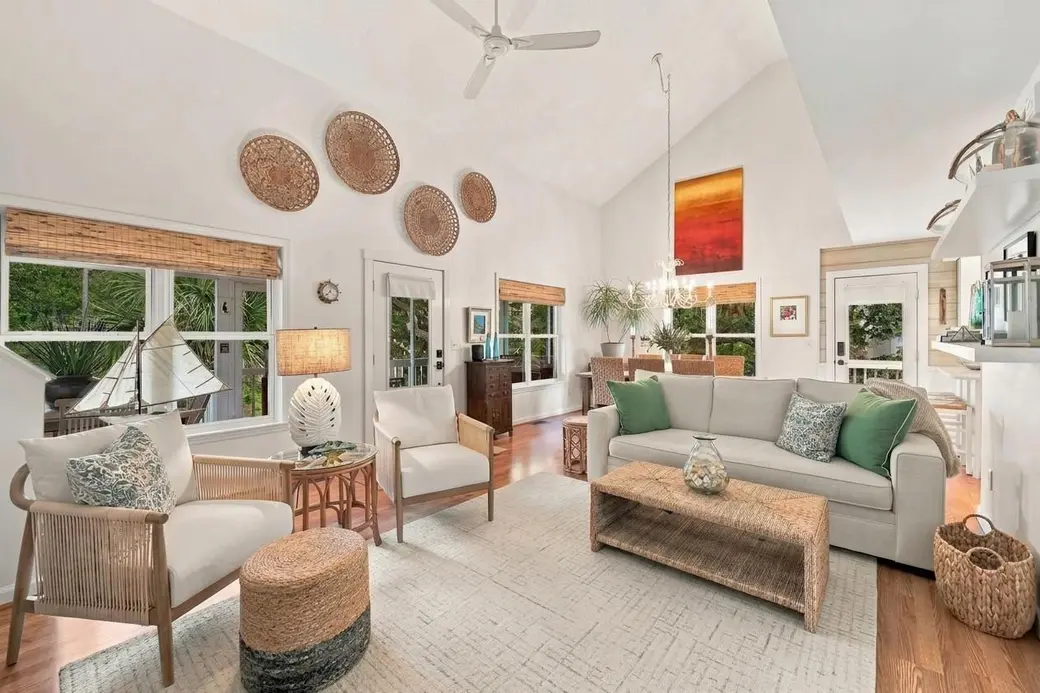
How Do I Make a Small Home Look Bigger When Selling?
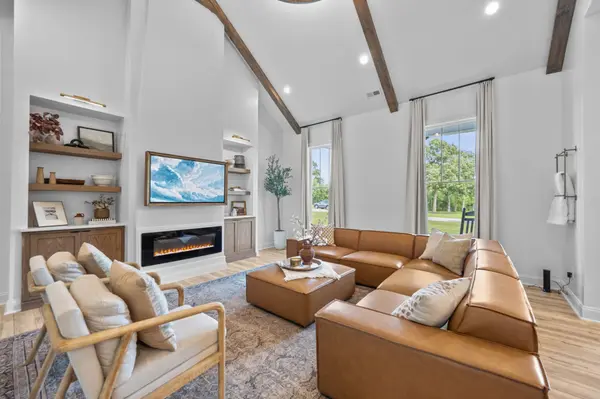
If you're preparing to sell a small home, you don't necessarily need to renovate or add square footage to make it more appealing to buyers. The best way to make a small home look bigger is to declutter, remove excess furniture, maximize natural light, and arrange each room to highlight its usable space. These simple staging techniques help buyers see how the home functions rather than focusing on its size.
For homeowners in Surf City, Topsail Beach, North Topsail Beach, Holly Ridge, Sneads Ferry, Wilmington, and Jacksonville, preparing a smaller property for sale starts with making the most of what is already there.
Whether you're selling a coastal cottage, a townhome, a condominium, or a smaller single-family home, thoughtful preparation can help your property feel brighter, more open, and ready for its next owner.
1. Declutter Before You Do Anything Else
One of the easiest ways to make a small home feel larger is to remove unnecessary belongings.
When countertops, shelves, floors, and tables are covered with everyday items, buyers may have difficulty seeing the room itself. Clearing those surfaces helps draw attention to the home's layout, finishes, and available space.
Before listing your home, consider removing:
-
Excess decorations, knickknacks, and collectibles.
-
Personal photographs and items that distract from the room.
-
Small appliances and other items that crowd kitchen countertops.
-
Toiletries and personal products from bathroom counters.
-
Shoes, coats, and miscellaneous belongings from entryways.
-
Items stored in hallways or on the floor.
You don't need to remove everything that makes your house feel like home. The goal is to create a clean, organized environment where buyers can picture their own belongings.
Seller tip: Start packing items you won't need before moving. This reduces clutter now and gives you a head start on your eventual move.
2. Remove Furniture That Makes Rooms Feel Crowded
A small room doesn't need to be empty, but it does need enough open space for buyers to move around comfortably.
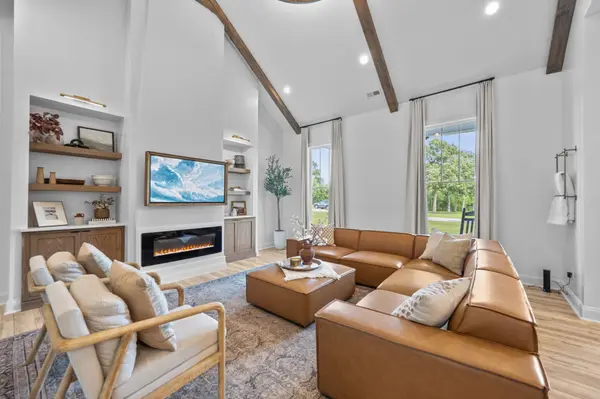
Oversized sofas, bulky entertainment centers, extra chairs, and large coffee tables can make a living room feel smaller than it is. Removing even one or two unnecessary pieces may improve the room's appearance and flow.
When arranging furniture:
-
Keep walkways clear and easy to navigate.
-
Avoid blocking windows, doorways, or attractive architectural features.
-
Choose furniture that fits the room's proportions.
-
Arrange seating to show how the space can be used.
-
Keep corners and portions of the floor visible when practical.
In a small bedroom, for example, a properly positioned bed, simple bedding, and minimal bedside furniture may be all that's needed to show the room's function.
Don't automatically replace every large piece with tiny furniture. The goal is to create a balanced arrangement that feels comfortable and functional, not awkward or undersized.
3. Let Natural Light Into Every Room
Natural light can make a home feel more open and inviting. Dark rooms, heavy window coverings, and blocked windows can make smaller spaces feel closed in.
Before listing your property, open curtains and blinds when appropriate, clean the windows, and remove objects that unnecessarily obstruct the light.
Also consider the home's existing lighting. Replace burned-out bulbs and make sure fixtures work properly. Table lamps or floor lamps can help brighten areas that do not receive much natural light.
For Coastal North Carolina homes, windows may also showcase a desirable outdoor feature, such as mature landscaping, a porch, or a water view. Keep those sightlines clear when possible.
The objective is to highlight the natural light and views your property actually offers.
4. Use Light, Coordinated Colors
Light, neutral colors can help rooms feel brighter and create a more consistent appearance throughout a small home.
If your walls feature several bold colors, consider whether a fresh coat of paint in a soft white, warm neutral, or light beige would create a more cohesive look.
You can also use coordinated colors in bedding, curtains, towels, and decorative accessories to make rooms feel connected rather than visually busy.
That doesn't mean every small home needs to be painted entirely white. Existing colors may work well if the home is bright, clean, and thoughtfully furnished.
Before repainting, focus on areas with visible scuffs, distracting color contrasts, or finishes that make the space feel neglected. A few targeted improvements may be more practical than repainting the entire house.
5. Place Mirrors Strategically
Mirrors can help a small room feel brighter by reflecting available light and portions of the surrounding space.
Consider placing a mirror where it can reflect natural light from a window or brighten a darker area. A well-positioned mirror in an entryway or small living room can also add depth without taking up much floor space.
Keep the approach simple. One appropriately sized mirror may be more effective than several small mirrors competing for attention.
Be mindful of what the mirror reflects. Ideally, it should highlight an attractive part of the room rather than clutter, storage areas, or an unattractive view.
6. Make the Kitchen and Bathrooms Feel More Spacious
Kitchens and bathrooms can quickly look crowded because they contain many everyday necessities.
Fortunately, these rooms often benefit from a few straightforward staging changes.
In the kitchen
-
Clear most items from countertops.
-
Store small appliances that aren't needed daily.
-
Remove excess magnets, papers, and decorations from the refrigerator.
-
Organize visible shelves and open storage.
-
Clean cabinet fronts, appliances, and backsplashes.
A clear countertop helps buyers see the available preparation space and appreciate the kitchen's layout.
In the bathroom
-
Remove personal toiletries from the countertop.
-
Put away cleaning products and extra supplies.
-
Hang fresh, coordinated towels.
-
Clean mirrors, fixtures, and glass surfaces.
-
Keep the floor and shower area free of unnecessary items.
These steps don't require a complete remodel. They simply help buyers focus on the room's condition, storage, and functionality.
7. Make Closets and Storage Areas Look Organized
Storage matters when buyers evaluate a smaller home. Overfilled closets can make it difficult to see how much usable space is available.
You don't need to empty every closet, but removing excess belongings and organizing what's left can make the space easier to evaluate.
Try these simple improvements:
-
Pack seasonal clothing and items you rarely use.
-
Keep clothing organized and leave some visible open space.
-
Store loose belongings in neat, consistent containers.
-
Remove items from closet floors when possible.
-
Organize pantry shelves and utility storage areas.
Remember that buyers may open closets, cabinets, and other storage spaces during a showing. Preparing these areas helps present the home's storage realistically rather than hiding a lack of space.
8. Use Simple Window Treatments and Accessories
Heavy curtains, elaborate valances, and busy patterns can draw attention away from a room's windows and walls.
If your existing window treatments make a room feel dark or crowded, consider a simpler option that allows more light into the space while maintaining appropriate privacy.
The same principle applies to rugs, artwork, and decorative accessories.
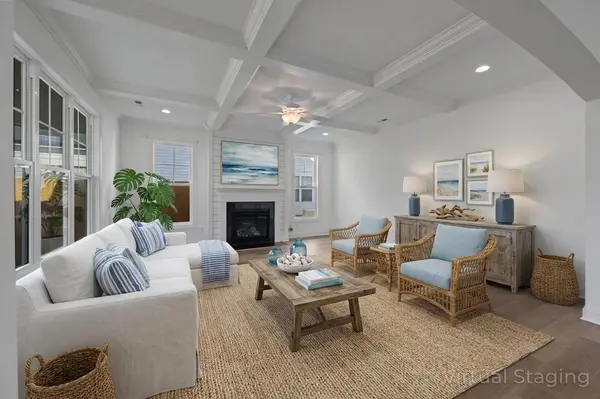
A few carefully selected items can make a room feel finished. Too many competing patterns, colors, or decorations can make it feel busy.
For a small living room, one appropriately sized rug and a limited number of accessories may work better than multiple rugs and numerous decorative pieces.
The goal is to make the room feel intentional without filling every available surface.
9. Give Every Room a Clear Purpose
Buyers should be able to understand how each space can be used.
If a spare bedroom doubles as a storage room, or a dining area has become a collection point for miscellaneous belongings, it may be difficult for buyers to recognize the room's potential.
Before listing, consider how you can present each area more clearly.
Examples include:
-
Showing a spare bedroom as a bedroom rather than a storage space.
-
Creating a simple work area in an appropriate nook.
-
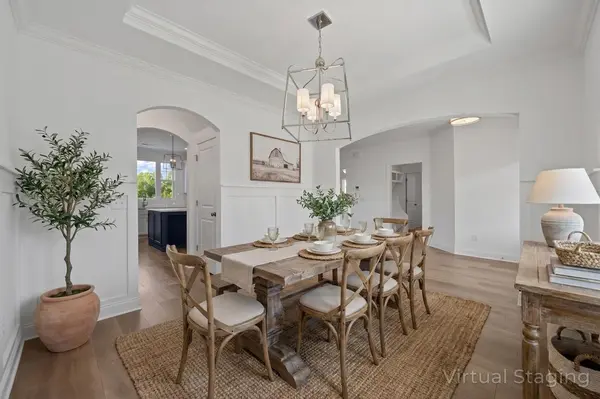
Keeping a dining area arranged for meals.
-
Presenting a small bonus room as a reading area, hobby space, or flexible living area.
You don't need to purchase new furniture for every room. Rearranging existing pieces and removing unrelated belongings may be enough.
Be realistic about the room's size and intended use. The goal is to show its possibilities without making the space appear to offer more functionality than it actually does.
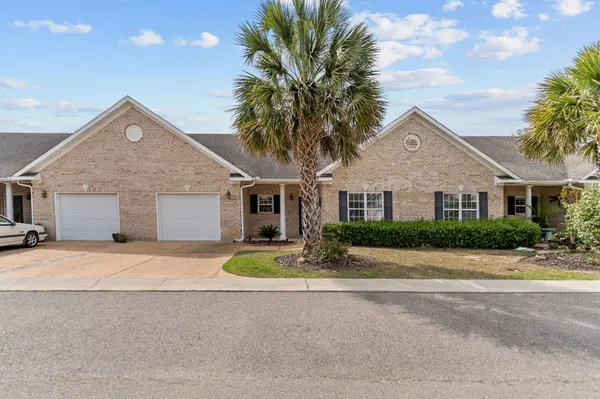
10. Don't Forget the Exterior and Outdoor Living Areas
For homes in Coastal North Carolina, the outdoor spaces can be an important part of the property's overall presentation.
A small home may feel more inviting when buyers can see how the porch, patio, deck, or yard can be used.
Before listing, consider:
-
Removing unnecessary items from porches and decks.
-
Cleaning outdoor furniture and arranging it neatly.
-
Clearing walkways and entrances.
-
Trimming landscaping where appropriate.
-
Organizing outdoor storage areas.
-
Highlighting usable seating areas without overcrowding them.
If your property has a screened porch, covered entry, or small patio, arrange it to show how the space functions.
For a condominium or townhome, focus on the entryway, balcony, or other outdoor area included with the property, where applicable.
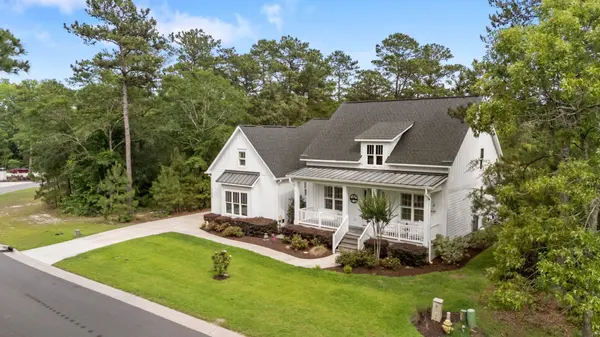
You don't need a large yard to create an inviting first impression. A clean, organized exterior helps buyers see the property as a whole.
11. Clean Thoroughly Before Listing Photos and Showings
Even a well-arranged home can feel smaller when surfaces are dusty, windows are streaked, or belongings are scattered throughout the rooms.
A thorough cleaning helps buyers focus on the property rather than distractions.
Pay particular attention to:
-
Windows and glass doors.
-
Floors and baseboards.
-
Kitchen countertops and appliances.
-
Bathroom mirrors and fixtures.
-
Ceiling fans and light fixtures.
-
Entryways and high-traffic areas.
Also consider how the home will look in listing photographs. Clutter and crowded furniture arrangements can be especially noticeable in photos, which may be a buyer's first introduction to your property.
Walk through each room before the photographer arrives. Remove temporary items, straighten bedding, open window treatments when appropriate, and make sure the most attractive features are visible.
Keep photographs representative of the actual property. Staging should help buyers understand the home's potential, not misrepresent its size, condition, or features.
12. Focus on Improvements That Make Sense Before Selling
Not every small home needs new flooring, a kitchen renovation, or an expensive staging package.
Before spending money, identify which changes would genuinely improve the way your property presents to prospective buyers.
You might prioritize decluttering, cleaning, rearranging furniture, touching up paint, improving lighting, or addressing visible maintenance concerns.
More expensive improvements deserve a closer look. Their value depends on the property's condition, price range, competing listings, and likely buyer expectations.
For example, a smaller home in Holly Ridge may appeal to a different buyer than an oceanfront condominium in North Topsail Beach. The preparation strategy should reflect the property's features, location, and intended market.
A practical pre-listing plan helps you focus your time and budget on the changes most relevant to your home rather than spending money on improvements that may not be necessary.
What Is the Most Important Thing to Do Before Selling a Small Home?
If you only have time to make a few changes, start with these five priorities:
-
Declutter: Remove belongings that distract from the home's usable space.
-
Edit the furniture: Create clear walkways and comfortable room layouts.
-
Brighten the rooms: Clean windows, open curtains, and address lighting issues.
-
Deep clean: Make kitchens, bathrooms, floors, and other visible surfaces look well cared for.
-
Prepare for photographs: Make sure each room's purpose and best features are easy to recognize.
These steps can often be completed without major renovations. They also give you a practical starting point before deciding whether additional work is worthwhile.
Should I Stage My Small Home Before Selling?
Home staging may be worth considering if your furniture, belongings, or room arrangements make it difficult for buyers to understand how the home functions.
Staging can be as simple as rearranging existing furniture and removing clutter. Depending on the property, a consultation with a professional stager or more extensive staging may also be appropriate.
The right approach depends on your home's condition, the likely buyer, your budget, and the expectations for comparable properties in your local market.
A real estate professional familiar with your area can help you identify which features to emphasize and which preparation tasks deserve attention before the property goes on the market.
Selling a Small Home in Coastal North Carolina? Start With a Plan.
A smaller home doesn't have to feel cramped or overlooked. With thoughtful preparation, you can highlight its natural light, functional layout, storage, and other features that make it appealing to potential buyers.
The most effective preparation plan is specific to your property. A coastal cottage in Surf City, a condominium in Topsail Beach, a townhome in Jacksonville, and a smaller single-family home in Wilmington may each benefit from a different approach.
Streamline Realty Team, Powered by Real Broker, LLC, can help you evaluate how your home should be presented before listing. From identifying practical staging priorities to discussing pricing, comparable properties, and marketing strategy, the goal is to help you prepare your home for the buyers most likely to be interested in it.
If you're considering selling, contact Streamline Realty Team to discuss your property and develop a pre-listing plan tailored to your home, location, and selling goals.
Categories
Recent Posts
GET MORE INFORMATION