
What Landscaping Should I Do Before Selling My House?
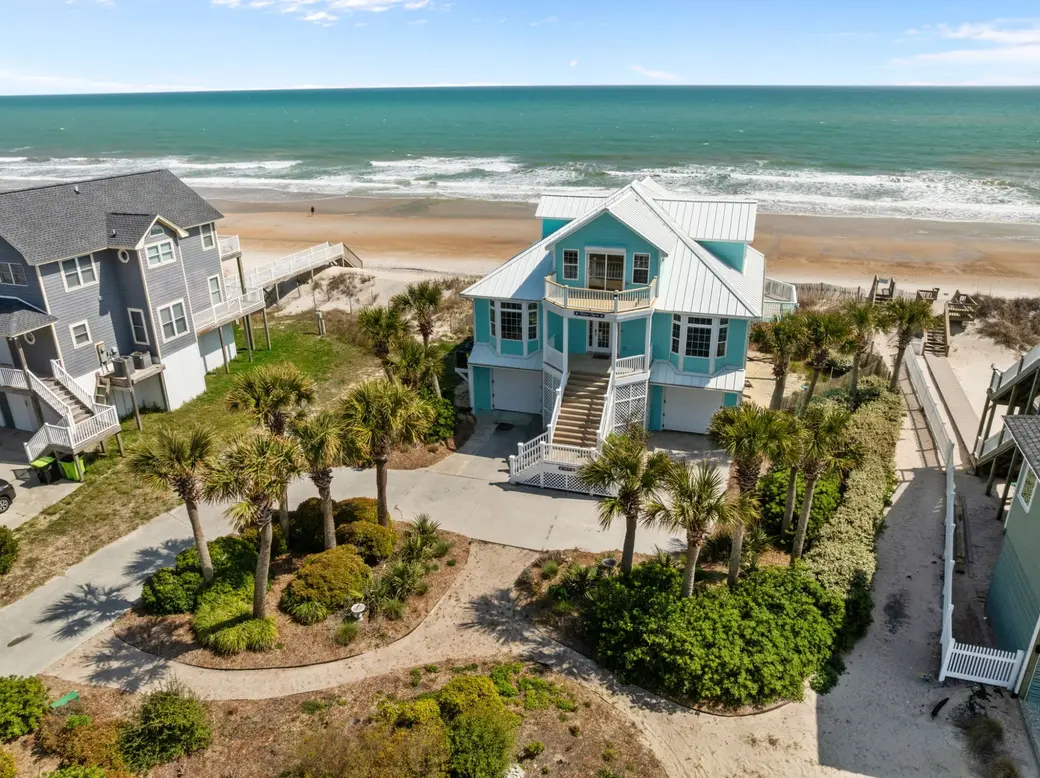
What Landscaping Should I Do Before Selling My House?
If you're planning to sell your home, landscaping is one of the first things to address before listing it. The best landscaping improvements before selling are usually simple maintenance tasks: mowing the lawn, trimming overgrown shrubs, removing weeds, refreshing mulch, and making the front entrance look clean and inviting. You generally don't need an expensive landscape renovation to make your property look well cared for.
For homeowners in Surf City, Topsail Beach, North Topsail Beach, Holly Ridge, Sneads Ferry, Wilmington, and Jacksonville, landscaping should also suit the local environment. Coastal weather, sandy soils, salt exposure in some locations, and the amount of sun and shade your yard receives can all influence which plants will thrive.
Before investing in major outdoor improvements, focus on the changes that make your property look attractive, maintained, and ready for its next owner.
1. Start With Basic Yard Maintenance
Before purchasing new plants or hiring a landscaping company, take a good look at your existing yard. Many properties benefit more from a thorough cleanup than from adding new features.
Start with these tasks:
-
Mow the lawn and trim the edges along driveways, sidewalks, and planting beds.
-
Remove weeds from flower beds, walkways, and visible cracks in paved areas.
-
Trim overgrown shrubs and remove dead or damaged plant material.
-
Clear leaves, fallen branches, and other yard debris.
-
Remove dead potted plants and unnecessary outdoor decorations.
-
Sweep porches, patios, steps, and walkways.
Pay particular attention to the areas buyers see first when they pull into the driveway or approach the front door.
A tidy yard helps buyers focus on the home itself rather than on the work they think they'll need to do after moving in.
2. Refresh Mulch and Define Your Garden Beds
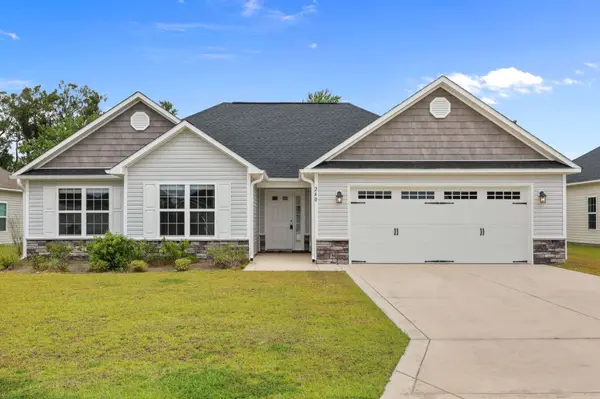
Fresh mulch can make an immediate visual difference when existing planting beds look faded, uneven, or neglected.
Before adding new material, remove visible weeds, tidy the bed edges, and assess the condition of the existing mulch. Add a fresh layer where needed rather than piling new mulch on top of excessive existing material.
Consider refreshing the beds around:
-
The front foundation of the house.
-
The walkway leading to the front door.
-
Mailboxes and visible entry features.
-
Trees and established shrubs.
-
Patios and other outdoor living areas.
Choose a consistent mulch color that complements your home's exterior and existing landscaping. Clean, defined planting beds can make the entire yard appear more organized without requiring extensive construction.
In Coastal North Carolina, mulch can also help conserve soil moisture and moderate soil temperatures. Keep it appropriately placed around plants rather than piled against tree trunks or siding. Reference: NC State Extension, Native Plants and Landscape Care.
3. Add Color Near the Front Entrance
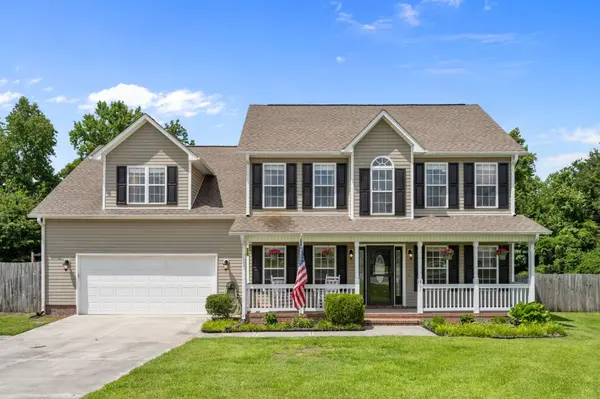
You don't need to fill every flower bed with new plants to create an attractive entrance. A few well-placed seasonal flowers or healthy container plants can make the front door and porch feel more welcoming.
Consider adding:
-
Two matching planters near the front entrance, if space allows.
-
Seasonal flowers in existing garden beds.
-
Healthy greenery around a porch or entryway.
-
A simple arrangement that complements the home's exterior colors.
Choose plants suited to the season and the conditions in your yard. A sunny entryway will have different planting needs than a shaded porch, and properties closer to the ocean may face additional exposure to salt and wind.
Keep the arrangement simple. The goal is to draw attention to the entrance, not create a garden that requires extensive maintenance.
4. Choose Plants That Suit Coastal North Carolina
If you need to replace struggling plants, think carefully before purchasing whatever looks attractive at the garden center.
Coastal properties can have different soil, drainage, sun exposure, and salt conditions, even within the same neighborhood. Selecting plants suited to the actual site can help you avoid unnecessary replacement costs and maintenance.
North Carolina Sea Grant and NC State Extension provide resources for selecting native plants and planning landscapes for coastal conditions. Native plants can be attractive options when their growing requirements match the property. However, native does not automatically mean maintenance-free; newly planted vegetation still needs appropriate care. References: North Carolina Sea Grant's Coastal Landscaping Designs and NC State Extension.
Before planting, consider:
-
Sun and shade: Match plants to the light conditions in each area.
-
Soil and drainage: Choose plants that suit the site's growing conditions.
-
Salt and wind exposure: Consider these factors for homes close to the ocean or other exposed coastal locations.
-
Mature size: Avoid plants that will quickly outgrow their space or block windows and walkways.
-
Maintenance: Favor a tidy, manageable design rather than an elaborate garden that needs constant attention.
If your existing landscape is healthy and attractive, there may be no reason to replace it. Focus on maintaining what already works.
5. Trim Shrubs and Improve Visibility
Overgrown landscaping can make a home look smaller, obscure attractive architectural features, and leave walkways feeling cramped.
Carefully trim shrubs that block windows, crowd the front entrance, or extend across walkways. Remove dead branches and tidy plants that have grown beyond their intended spaces.
If your property has mature trees, established privacy screening, or attractive coastal vegetation, preserve those features whenever practical. Mature landscaping can contribute to the character of a property, so avoid removing healthy plants simply to create a more minimal appearance.
For larger trees, substantial limbs, or plants that require specialized care, consult a qualified professional rather than attempting potentially hazardous work yourself.
The objective is to make the home and its outdoor spaces easy to see and navigate while maintaining the character of the yard.
6. Make Walkways, Driveways, and Outdoor Living Areas Look Their Best
Landscaping is only part of your home's exterior presentation. The condition of nearby hard surfaces and outdoor living spaces can influence how the entire property appears.
Before listing, consider these improvements:
-
Sweep or clean the driveway and front walkway.
-
Remove weeds growing between pavers or along edges.
-
Clean porch floors, patio surfaces, and outdoor steps.
-
Arrange outdoor furniture neatly.
-
Remove broken planters, damaged edging, and unnecessary clutter.
-
Check that the path to the front door is clear and easy to access.
For homes in Surf City, Topsail Beach, and North Topsail Beach, outdoor spaces may be an important part of how buyers experience the property. A clean deck, a tidy yard, and an inviting sitting area can help buyers picture themselves enjoying the home's outdoor spaces.
You don't necessarily need to add new features. In many cases, cleaning and organizing existing spaces is the more practical first step.
7. Don't Overlook the Backyard
While the front yard creates the initial impression, buyers may also be interested in how they can use the backyard.
Depending on the property, useful preparation may include mowing, trimming vegetation, clearing debris, organizing garden beds, and tidying outdoor seating areas.
If your home has a deck, patio, fire pit, pool, or outdoor entertaining area, make sure the surrounding landscaping looks maintained and the space is easy to navigate.
For properties with waterfront views, established trees, or natural vegetation, consider how the landscaping frames those features. Avoid unnecessary changes that could diminish privacy, obscure a view, or remove an established feature that contributes to the property's appeal.
Keep the outdoor areas consistent with the home. A large landscaping project isn't automatically the best choice simply because you're preparing to sell.
8. Pay Attention to Coastal Property Considerations
Landscaping decisions can be especially important for homeowners throughout Coastal North Carolina because properties vary in their exposure to coastal conditions.
Before making significant changes, consider the following:
Salt and wind exposure: Some coastal locations experience more salt spray and wind than others. Choose replacement plants based on the property's actual exposure.
Drainage: Avoid making landscaping changes that redirect water toward the home or neighboring property. If you have persistent standing water or drainage concerns, seek qualified professional guidance before altering the grade.
Established vegetation: Mature trees and shrubs may provide shade, privacy, and visual appeal. Evaluate their condition and role before removing them.
Waterfront and environmentally sensitive areas: Properties near shorelines, wetlands, or dunes may have additional considerations when making substantial landscape changes. Confirm applicable requirements with the appropriate local authority before proceeding.
Ongoing maintenance: A simple, healthy landscape may be more practical for a future owner than a highly elaborate design requiring regular specialized care.
These considerations are particularly relevant when preparing homes in Surf City, Topsail Beach, North Topsail Beach, and other coastal communities. The right approach depends on the property's location and physical characteristics.
9. How Much Should You Spend on Landscaping Before Selling?
There is no single landscaping budget that makes sense for every home. The appropriate amount depends on the property's current condition, the improvements it needs, your selling timeline, and the expectations of buyers in your market.
Before spending money, divide your landscaping projects into three categories:
Start here: Essential cleanup
Mowing, weeding, trimming, sweeping, and removing debris are practical first steps for almost any property that needs attention.
Next: Low-cost visual improvements
Consider refreshing mulch, edging garden beds, adding a few seasonal plants, or improving the appearance of the front entrance.
Evaluate carefully: Larger projects
New trees, extensive planting beds, retaining walls, irrigation systems, major grading, and outdoor construction can involve significantly more expense and maintenance.
Before committing to a large project, consider whether it addresses a visible problem or simply adds a feature you personally prefer.
The National Association of REALTORS® identifies curb appeal as an important part of a property's market presentation, and its outdoor remodeling research discusses landscaping maintenance and other exterior improvements. However, no particular landscaping project guarantees a specific increase in sale price or recovery of its cost. Reference: NAR's Remodeling Impact Report: Outdoor Features.
For sellers, the most sensible starting point is usually to address visible maintenance issues before considering expensive upgrades.
10. What Landscaping Should You Avoid Before Listing?
Not every improvement is worth completing immediately before a sale. Some projects may add cost, require ongoing care, or take time to establish.
Think carefully before:
-
Installing extensive new landscaping that doesn't address an existing problem.
-
Planting trees or shrubs that may eventually block windows, views, or walkways.
-
Removing healthy mature plants without a clear reason.
-
Choosing plants that aren't suited to the property's growing conditions.
-
Making major drainage or grading changes without professional guidance.
-
Starting a large outdoor project that may remain unfinished when listing photos are taken.
-
Assuming a costly landscaping upgrade will return its full cost at closing.
If your home is already well maintained, a focused cleanup may be all that's needed.
11. When Should You Complete Landscaping Before Selling?
Ideally, complete the main cleanup before your listing photographs are taken and before buyers begin touring the property.
Give yourself enough time to finish trimming, remove debris, refresh planting beds, and organize outdoor spaces. If you plan to add new plants, allow time for them to be properly planted and cared for.
Seasonal conditions also matter. A landscaping plan that works in spring may look different during the heat of summer or the cooler months. Choose improvements that make sense for the time of year rather than relying entirely on flowers or temporary color.
If you're planning to sell soon, start with the tasks that will make the most visible difference and avoid unnecessary projects that could delay your listing.
Final Thoughts: Focus on Landscaping That Helps Your Home Make a Strong First Impression
Before selling your house, focus on making the landscaping look clean, healthy, organized, and appropriate for the property. Mow the lawn, trim overgrown shrubs, remove weeds, refresh mulch where needed, and make the front entrance welcoming.
For Coastal North Carolina homeowners, also consider local growing conditions, drainage, salt exposure where applicable, and the value of established vegetation. You don't need an elaborate landscape to present your home well.
Thinking about selling your home in Coastal North Carolina?
Before investing in landscaping, it helps to understand what buyers may value in your specific market and which improvements are worth prioritizing. Streamline Realty Team can help you evaluate your home's presentation, discuss practical pre-listing preparations, and develop a selling strategy tailored to your property.
Whether you're preparing to sell in Surf City, Topsail Beach, North Topsail Beach, Holly Ridge, Sneads Ferry, Wilmington, or Jacksonville, contact Streamline Realty Team, Powered by Real Broker, LLC, to discuss your property and your next steps.
Categories
Recent Posts
GET MORE INFORMATION