How Do I Sell a Vacant Home in Coastal North Carolina?
How Do I Sell a Vacant Home in Coastal North Carolina?
Selling a vacant home in Coastal North Carolina starts with preparing the property, protecting it while it is on the market, determining a competitive asking price, and creating a marketing plan that helps buyers understand its value.
Whether you own a second home in Surf City, inherited a property in Pender County, relocated from Jacksonville, or are selling an investment property in Wilmington, a vacant home requires a different level of attention than an occupied one.
Without someone living there regularly, small maintenance issues can go unnoticed, and buyers may have questions about the home's condition, utilities, insurance, and upkeep. A thoughtful selling strategy can help you address these concerns before they become obstacles.
1. Inspect the Property Before Listing It
Before putting a vacant home on the market, arrange a thorough walkthrough to evaluate its current condition.
A home that has been vacant for several weeks or months may have maintenance concerns that were not present when it was last occupied. In Coastal North Carolina, moisture, storms, salt-air exposure, and periods of high humidity can make regular property monitoring particularly important.
Pay attention to:
-
Roof and ceiling: Look for visible signs of leaks, water stains, or damaged materials.
-
Plumbing: Check for visible leaks and signs of moisture damage. If the water has been shut off, arrange appropriate professional assistance before testing plumbing fixtures.
-
HVAC and ventilation: Determine whether the systems are operating as intended and whether the home has been maintained according to the equipment manufacturer's recommendations.
-
Windows and doors: Look for visible deterioration, damaged seals, or signs of water intrusion.
-
Exterior and drainage: Check gutters, downspouts, siding, decks, and areas where water may collect.
-
Crawl space or foundation: Look for visible moisture concerns or other conditions that may warrant evaluation by a qualified professional.
If you discover potential structural, electrical, plumbing, or moisture problems, consult the appropriate qualified professional rather than assuming the cause or scope of the issue.
Addressing known concerns before listing can help you make informed decisions about repairs, pricing, and how to present the property to prospective buyers.
2. Protect the Home While It Is Vacant
A vacant property still needs ongoing attention, even when it is not being occupied.
For homes in Surf City, Topsail Beach, North Topsail Beach, and other coastal communities, having a practical property-monitoring plan is especially important during periods of severe weather.
Consider the following steps:
-
Arrange regular property checks by a trusted person or qualified service provider.
-
Keep the lawn, landscaping, and exterior areas maintained.
-
Remove mail, advertisements, and accumulated debris.
-
Check for visible signs of water intrusion, pest activity, or storm damage.
-
Secure windows, doors, and accessible entry points.
-
Keep important property documents and maintenance records organized.
-
Establish a plan for storm preparation and post-storm inspections.
The North Carolina Department of Insurance recommends reviewing property insurance coverage and preparing for severe weather. Coastal properties may have separate windstorm or hail coverage requirements, and standard homeowners policies generally do not cover flood damage. Review your specific policy with your insurance agent rather than assuming the home remains adequately covered while vacant.
Source: North Carolina Department of Insurance, How to Prepare for a Storm.
Before listing: Contact your insurance company to confirm that the existing policy remains appropriate for the property's vacant status and intended use. Ask about any vacancy-related restrictions, required inspections, and applicable coverage limitations.
3. Decide Whether to Make Repairs or Sell As-Is
Not every vacant home needs a complete renovation before it can be sold.
The right approach depends on the property's condition, location, likely buyer pool, anticipated repair costs, and current market conditions.
Some sellers may benefit from making modest improvements, while others may prefer to sell the property in its present condition.
Repairs and updates that may be worth considering
Depending on the home, practical improvements might include:
-
Removing debris and cleaning the interior.
-
Improving landscaping and curb appeal.
-
Repairing minor cosmetic damage.
-
Addressing obvious maintenance concerns.
-
Cleaning windows and improving natural light.
-
Obtaining professional evaluations for significant issues.
Before spending money on major renovations, consider whether the expected benefit justifies the expense.
For example, an older beach property with deferred maintenance may attract a different buyer than a recently updated second home. A property with substantial repair needs may appeal to buyers looking for an investment or renovation opportunity, provided the asking price and marketing accurately reflect its condition.
Selling as-is may be an option, but it should not be treated as a substitute for understanding the property's condition or complying with applicable disclosure obligations.
In North Carolina, residential property disclosure requirements depend on the type of transfer and applicable statutory provisions. A home's vacant status does not automatically eliminate disclosure obligations. Discuss the applicable requirements with your real estate professional and, when appropriate, your closing attorney.
4. Determine the Right Asking Price for a Vacant Home
Pricing is one of the most important decisions when selling a vacant property.
The asking price should reflect the property's location, condition, features, and competition in the current market—not simply what you paid for it or how much you have invested over the years.
A property-specific comparative market analysis (CMA) can help you evaluate recent comparable sales, competing listings, and differences that may influence buyer interest.
For Coastal North Carolina properties, relevant considerations may include:
-
Proximity to the beach, waterways, or local amenities.
-
Oceanfront, sound-front, or Intracoastal Waterway frontage, when applicable.
-
Flood-zone information and available property documentation.
-
The condition of the roof, exterior, HVAC system, and other major components.
-
Community amenities, association fees, and applicable restrictions.
-
Whether the property has been used as a primary residence, second home, or vacation rental.
-
The property's current presentation and anticipated maintenance needs.
A vacant home should not automatically be priced lower simply because no one lives there. However, visible maintenance issues, uncertainty about its condition, or a lack of current documentation may affect how buyers evaluate it.
A local pricing strategy can help you determine how to position the property against similar homes in Surf City, Topsail Beach, North Topsail Beach, Holly Ridge, Sneads Ferry, Wilmington, or Jacksonville.
5. Make the Home Appealing to Buyers Even When It Is Empty
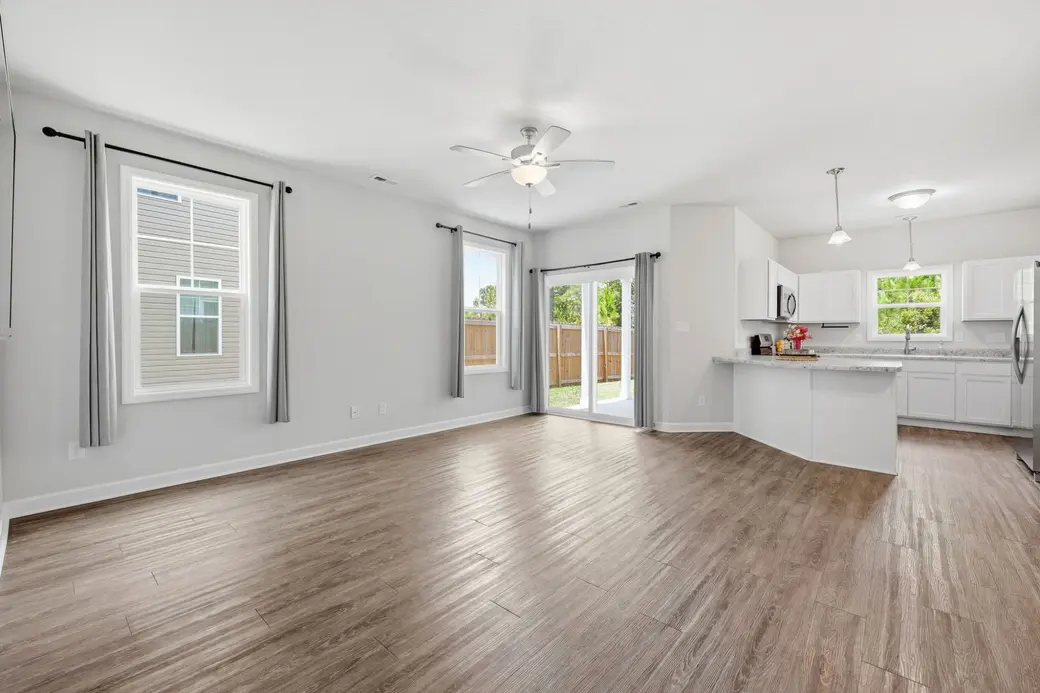
Vacant homes can be challenging for buyers to evaluate because empty rooms may feel smaller, lack context, or make it difficult to picture how the space could be used.
You do not necessarily need to furnish the entire property. Instead, focus on presenting it cleanly, clearly, and accurately.
Consider these options:
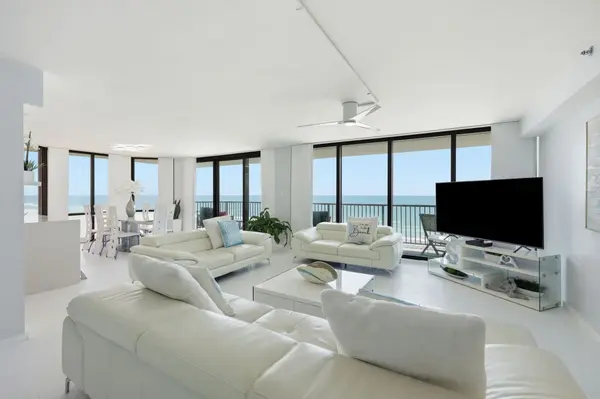
Professional photography: High-quality photographs help buyers evaluate the home's layout, condition, outdoor spaces, and setting before scheduling a visit.
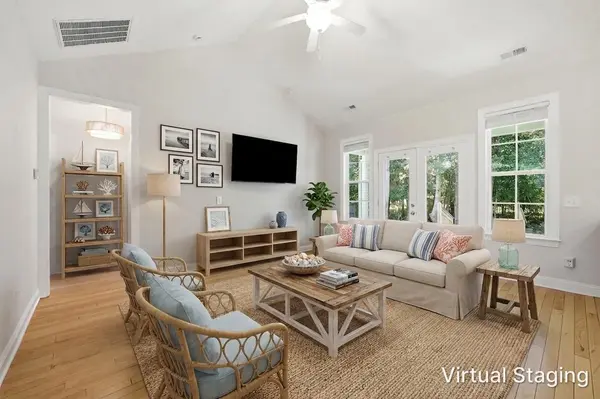
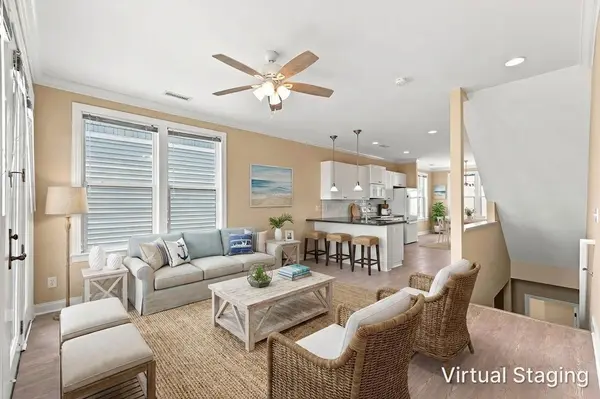
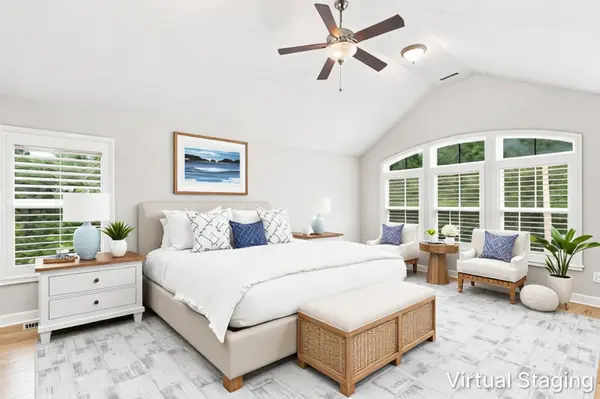
Virtual staging: Digitally staged photographs can illustrate possible furniture arrangements. Any digitally added furnishings should be represented accurately so buyers understand that they are not physically present.
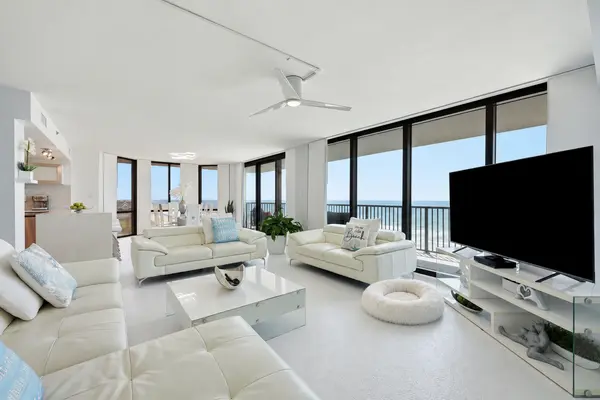
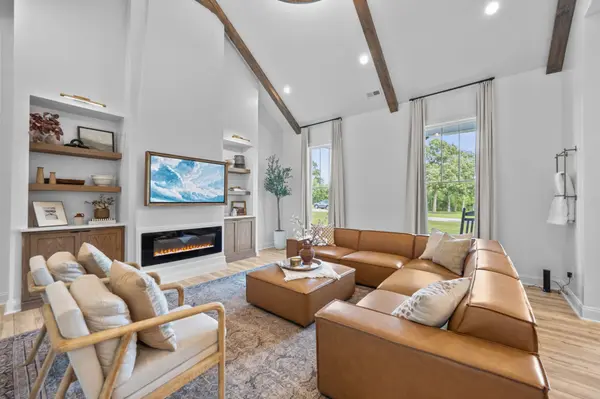
Selective physical staging: Furnishing a few key rooms may help communicate the property's functionality, particularly in homes where the layout or room dimensions are difficult to interpret from empty photographs.
Exterior presentation: Keep entrances, porches, decks, landscaping, and outdoor living areas neat and accessible.
Clear property information: Provide accurate details about the home's features, improvements, utilities, community amenities, and available documentation.
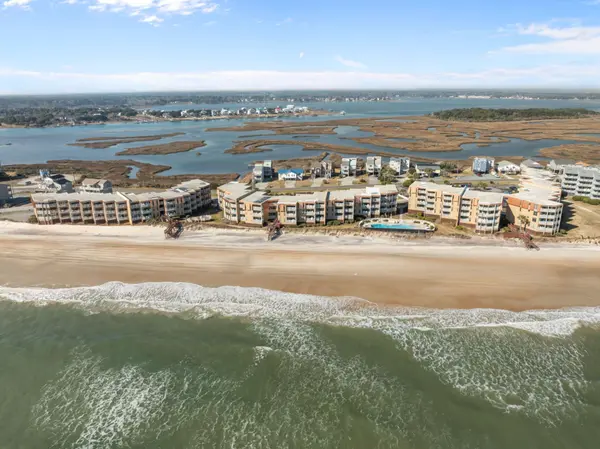
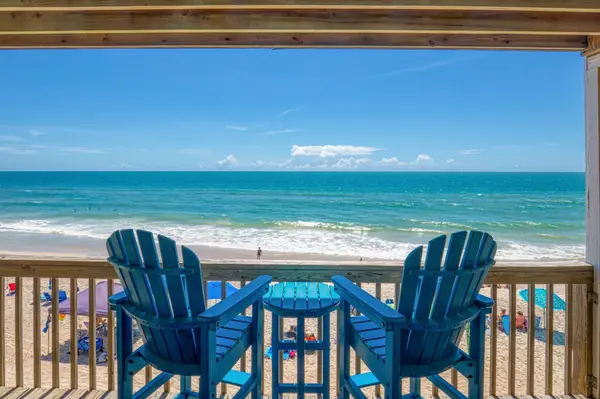
For a coastal property, marketing should emphasize genuine advantages, such as water views, outdoor living spaces, beach access, or proximity to local attractions when those features actually apply.
6. Gather Important Documents Before Listing
Having property information organized can make it easier to answer buyer questions and prepare for the transaction.
Depending on the property, useful records may include:
-
Previous inspection reports.
-
Receipts and documentation for completed repairs.
-
Roof, HVAC, and appliance information.
-
Permits and records for improvements, when available.
-
Survey or other property boundary documentation.
-
Flood-zone information and available elevation documentation.
-
Homeowners association or condominium association documents, when applicable.
-
Vacation-rental records, if relevant to the property's history.
-
Information about septic systems, wells, or other property-specific features, when applicable.
If the property has been vacant for a long time, you may not have every document. Avoid assuming that a system, improvement, permit, or feature is in good standing simply because no issue is immediately visible.
When records are unavailable, identify what can be confirmed and determine whether additional documentation or professional evaluation would be useful.
7. Plan for Showings and Buyer Questions
A vacant home can offer convenient showing access, but it still needs to be prepared for prospective buyers.
Before each showing, make sure the property is secure, reasonably clean, and accessible according to the agreed showing arrangements.
If utilities are disconnected, discuss with your real estate agent whether restoring service would help with inspections, buyer evaluations, or the marketing process. The answer may depend on the home's condition, the systems involved, and the anticipated buyer pool.
Buyers may ask questions about:
-
How long the property has been vacant.
-
Whether the utilities are active.
-
What maintenance has been performed.
-
Whether the home has experienced water intrusion or storm damage.
-
The age and condition of major systems.
-
Available insurance, flood, survey, or repair documentation.
-
Whether the property has been used as a vacation rental.
Answer questions accurately and avoid making claims that cannot be supported. If you do not know the answer, identify the information that is available and determine whether it can be verified.
In North Carolina, the applicable transaction documents and circumstances matter. Your real estate agent can help coordinate the listing and marketing process, while qualified professionals can address legal, insurance, engineering, inspection, or other specialized questions.
8. Understand the North Carolina Selling Process
Selling a vacant home generally follows the same broad stages as selling an occupied home: preparing the property, marketing it, reviewing offers, negotiating the transaction, completing applicable contractual steps, and proceeding toward closing.
However, vacant properties can raise additional questions, especially when the owner lives elsewhere or the property has been inherited, used as a rental, or left unattended for an extended period.
Before accepting an offer, consider how the proposed transaction addresses access for inspections, property condition, agreed repairs, utilities, and the property's condition at closing.
The terms of the executed contract and the specific circumstances of the transaction control. Do not assume that every transaction follows the same timeline or that a common practice is automatically a legal requirement.
If the property is inherited, held in a trust, owned by multiple parties, or associated with an estate, confirm that the appropriate person or parties have authority to sell it. Your North Carolina closing attorney can help address ownership, title, and other legal questions.
9. Work With a Local Real Estate Team
Selling a vacant home from another city or state can create additional coordination challenges. You may need someone to help organize access, arrange photography, coordinate service providers, monitor the property's presentation, and communicate with prospective buyers.
A real estate team familiar with Coastal North Carolina can help you develop a selling plan based on the specific property and its location.
That plan may include:
-
Reviewing comparable sales and competing listings.
-
Identifying practical pre-listing priorities.
-
Coordinating photography and marketing.
-
Helping organize property information for prospective buyers.
-
Managing showing arrangements.
-
Communicating buyer feedback and offer details.
-
Coordinating with the closing attorney and other transaction participants.
For homeowners selling in Surf City, Topsail Beach, North Topsail Beach, Holly Ridge, Sneads Ferry, Wilmington, Jacksonville, Pender County, or Onslow County, local property characteristics and buyer expectations should inform the strategy.
The objective is to make informed decisions about preparation, pricing, and marketing without spending unnecessarily on improvements that may not support your selling goals.
Frequently Asked Questions About Selling a Vacant Home
Can I sell a vacant home without making repairs?
Potentially, yes. Some properties can be marketed in their current condition, depending on the home's circumstances and the seller's goals. However, selling as-is does not automatically eliminate applicable disclosure obligations or prevent buyers from conducting inspections. Discuss the property's condition, pricing, and transaction requirements with your real estate professional.
Should I keep the utilities on when selling a vacant house?
It depends on the property and its systems. Active utilities may make it easier to demonstrate that certain systems operate and may support inspections or buyer evaluations. Before disconnecting or restoring services, consider the property's condition, seasonal risks, and recommendations from appropriate professionals.
How do I protect a vacant coastal home during hurricane season?
Develop a storm-preparation plan, review insurance coverage, secure outdoor items, and arrange appropriate property checks before and after severe weather when conditions permit. Follow local emergency instructions and use qualified professionals for work that requires specialized expertise.
Does a vacant home need to be staged?
Not necessarily. Professional photography, thoughtful preparation, and clear marketing may be sufficient for some properties. Physical staging or accurately disclosed virtual staging may be useful when empty rooms make it difficult for buyers to understand the layout or potential use of the space.
How do I price a vacant home in Coastal North Carolina?
Start with a property-specific comparative market analysis that considers recent comparable sales, competing listings, location, condition, features, and relevant local market conditions. The best pricing approach depends on the individual property rather than a general rule for vacant homes.
Ready to Sell Your Vacant Home in Coastal North Carolina?
Whether your vacant property is a beach home, a second home, an inherited house, or an investment property, a clear selling plan can help you determine what needs attention before listing and how to position the property for prospective buyers.
Streamline Realty Team can help you evaluate your property's location, condition, comparable sales, and marketing options to develop a strategy tailored to your goals.
If you own a vacant home in Surf City, Topsail Beach, North Topsail Beach, Holly Ridge, Sneads Ferry, Wilmington, Jacksonville, Pender County, or Onslow County, contact Streamline Realty Team to discuss your property and the next steps toward selling.
Categories
Recent Posts
GET MORE INFORMATION