
Can I Stage My Home Myself? DIY Staging Tips for Coastal North Carolina Sellers
Can I Stage My Home Myself? DIY Staging Tips for Coastal North Carolina Sellers
Yes, you can stage your home yourself before selling it. Many homeowners can improve their home's presentation by decluttering, deep cleaning, rearranging existing furniture, removing personal items, and highlighting the property's best features. Professional staging is not always necessary; the goal is to help potential buyers see the home's space, functionality, and appeal.
For homeowners preparing to sell in Surf City, Topsail Beach, North Topsail Beach, Holly Ridge, Sneads Ferry, Wilmington, or Jacksonville, a thoughtful DIY staging plan can be a practical way to prepare for listing without committing to a full professional staging service.
The key is knowing what to prioritize, where to spend your time, and when a professional opinion may help.
What Does It Mean to Stage Your Home?
Home staging is the process of preparing and presenting a property so potential buyers can better envision themselves living there. It does not necessarily mean buying new furniture, remodeling rooms, or following the latest interior design trends.
In many homes, staging starts with simple changes:
-
Removing excess furniture and personal belongings.
-
Cleaning floors, windows, countertops, and other visible surfaces.
-
Arranging furniture to make rooms easier to navigate.
-
Using neutral bedding, towels, and understated accessories.
-
Improving lighting and making the most of natural light.
-
Creating a welcoming first impression at the entrance.
Think of staging as presenting your home in its best light while allowing its features—not its contents—to take center stage.
How Can I Stage My Home Myself?
You can begin with the furniture, accessories, and storage solutions you already have. Work through your home one area at a time rather than trying to transform every room at once.
1. Declutter Before Decorating
One of the most useful DIY staging steps is removing items that distract from a room's size, layout, or purpose.
Clear kitchen and bathroom countertops, remove unnecessary furniture, organize open shelving, and pack away items you do not use regularly. Closets and storage areas deserve attention, too, because buyers may want to evaluate the available storage.
If you are preparing to move, consider packing nonessential belongings early. This helps simplify staging while getting you closer to moving day.
2. Deep Clean the Entire Home
A clean home allows buyers to focus on the property rather than maintenance concerns or everyday mess.
Pay particular attention to:
-
Kitchen appliances, cabinets, and countertops.
-
Bathroom fixtures, mirrors, showers, and tile.
-
Windows, glass doors, and window tracks.
-
Floors, baseboards, and ceiling fans.
-
Entryways, porches, and other outdoor living areas.
In Coastal North Carolina, also look for visible salt residue on windows or exterior glass, sand near entrances, and signs of moisture or mildew. Address visible concerns appropriately, and consult a qualified professional if you discover a potential moisture or structural issue.
3. Rearrange Furniture to Improve Flow
You do not need to replace your furniture to make a room feel more inviting. Start by removing pieces that make the space feel crowded or block natural walking paths.
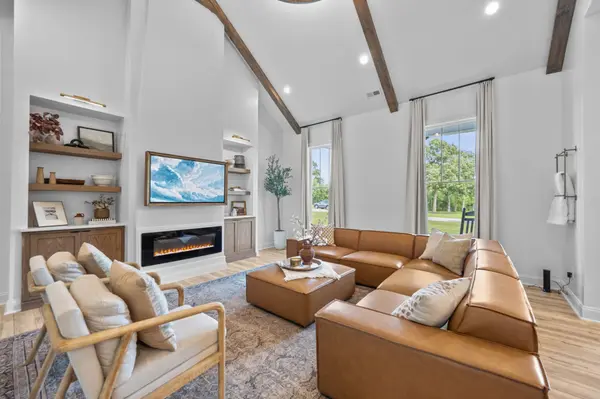
Arrange seating to make the room's purpose clear, keep doorways accessible, and avoid covering attractive features such as fireplaces, large windows, or built-in shelving.
In smaller beach homes, condominiums, and cottages, a few carefully chosen pieces may present the available living space more effectively than a room filled with furniture.
4. Use Simple, Neutral Accessories
Once the home is clean and organized, add a few finishing touches.
Fresh bedding, coordinated towels, a simple centerpiece, a small plant, or a few neutral throw pillows can make a room feel polished without requiring a major investment.
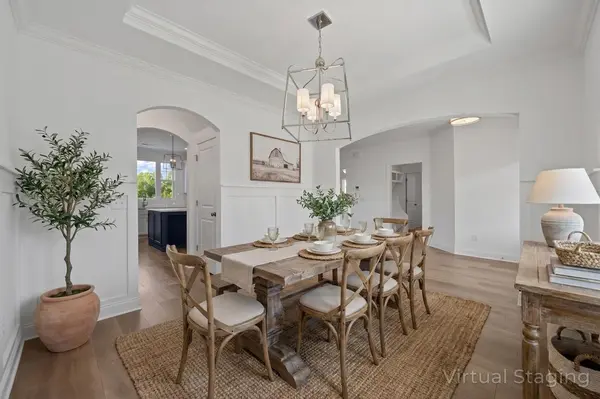
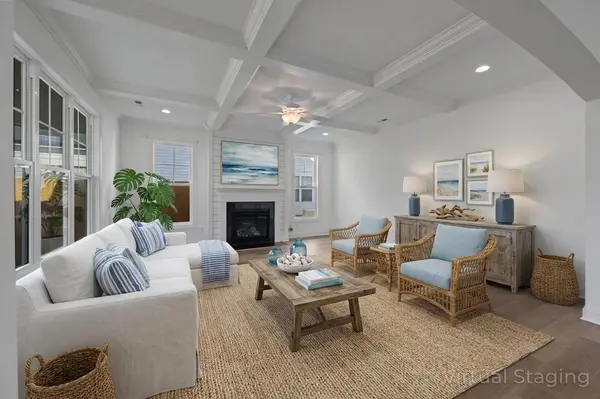
Coastal homes can benefit from subtle colors and textures that complement the setting. Soft blues, sandy neutrals, natural fibers, and understated accents can work well, but there is no need to decorate every room with seashells, anchors, or beach-themed accessories.
The objective is to complement the home rather than overwhelm it with a particular style.
5. Maximize Natural Light
Light can influence how spacious and inviting a room feels.
Open curtains and blinds, clean windows, replace burned-out bulbs, and use consistent lighting where practical. Before listing photographs and showings, remove objects that unnecessarily block windows or glass doors.
This can be especially helpful in Coastal North Carolina homes where natural light, water views, or outdoor scenery are important features.
If your property has ocean, sound, marsh, or Intracoastal Waterway views, arrange furniture to keep those sightlines visible wherever possible.
6. Prepare Outdoor Living Spaces
Outdoor areas can be important selling features for homes throughout the coastal region. A screened porch, deck, patio, balcony, or backyard can help buyers picture how they might use the property.
To prepare these areas:
-
Sweep decks, porches, and walkways.
-
Clean outdoor furniture and arrange it neatly.
-
Remove unnecessary storage items and clutter.
-
Trim landscaping and tidy planting beds.
-
Make sure entrances and walking paths are clear.
-
Highlight usable seating areas and outdoor features.
For waterfront and beach properties, keep the focus on the actual features of the property and its setting. Avoid staging choices that obstruct views or make outdoor spaces appear larger or more private than they are.
Which Rooms Should I Stage First?
If your time or budget is limited, prioritize the rooms that help buyers understand the home's everyday functionality and overall appeal.
Start with these areas:
-
Living room: Remove excess furniture and create a comfortable, open arrangement.
-
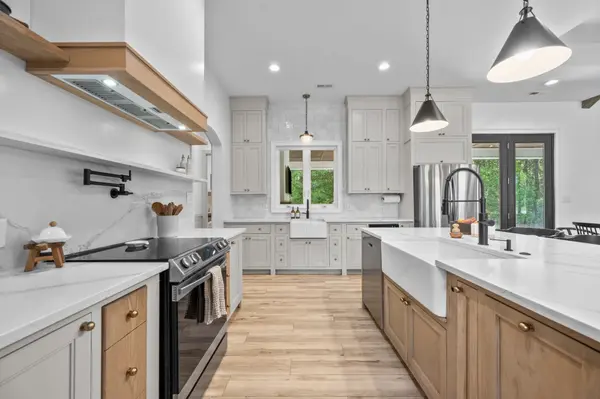
Kitchen: Clear countertops, clean appliances, and organize visible shelving.
-
Primary bedroom: Use clean bedding, simplify nightstands, and reduce visual clutter.
-
Bathrooms: Clean thoroughly, clear personal products, and use fresh towels.
-
Outdoor living areas: Present porches, decks, patios, and balconies as clean, usable spaces.
You do not have to make every room look professionally designed. Focus on helping buyers understand how each space can be used and what makes the property appealing.
What Should I Avoid When Staging My Home?
DIY staging can become less effective when homeowners focus on decorating instead of presenting the property clearly.
Common mistakes include:
-
Leaving too much furniture in a room. Crowded spaces can make the layout difficult to understand.
-
Buying unnecessary décor. Expensive accessories are not a substitute for cleaning and decluttering.
-
Making major changes without a clear reason. New flooring, extensive renovations, or repainting the entire home may not be necessary.
-
Ignoring odors or visible maintenance concerns. Fresh décor will not resolve an underlying issue.
-
Overpersonalizing the space. Family photographs, collections, and highly distinctive décor can distract buyers.
-
Hiding potential problems. Staging should improve presentation, not conceal property conditions that need attention.
Before spending money on improvements, consider whether the change is likely to make the home more appealing to the buyers most likely to consider your property.
Is DIY Staging Enough, or Should I Hire a Professional?
DIY staging may be sufficient when your home is already in good condition, has a functional layout, and mainly needs decluttering, cleaning, and furniture adjustments.
Professional staging or a staging consultation may be worth considering if:
-
The home is vacant and rooms are difficult to visualize.
-
The layout is unusual or challenging to furnish.
-
Existing furniture makes rooms feel crowded or dated.
-
You have a higher-end property where presentation needs careful coordination.
-
You are unsure which improvements deserve your time and money.
You may also be able to use a combination of approaches. For example, you could handle the cleaning and decluttering yourself, then request professional advice about furniture placement or the rooms that need the most attention.
The right choice depends on the property's condition, likely buyer audience, marketing plan, and available budget. Staging can improve presentation, but it cannot guarantee a particular sale price or timeline.
Does Staging Matter for Coastal North Carolina Homes?
It can. Coastal North Carolina properties vary considerably, from primary residences and townhomes to oceanfront condominiums, vacation homes, waterfront properties, and homes with outdoor entertaining areas.
The most effective staging approach depends on the features buyers are likely to value in that specific property.
For an oceanfront condominium in North Topsail Beach, for example, the goal may be to keep the living area open and preserve ocean views. For a home in Holly Ridge or Jacksonville, practical living space, storage, and a functional layout may deserve greater emphasis. A waterfront property in Sneads Ferry may benefit from presenting its outdoor spaces and water access clearly.
These are examples of how staging priorities can vary—not rules that apply to every property in each community.
Before investing in staging, consider the home's condition, comparable properties, likely buyer expectations, and the features that distinguish it in its local market.
Can Staging Help My Home Sell?
Staging can help buyers understand a home's layout, visualize how they might use its rooms, and notice its strongest features. The National Association of REALTORS® reported in its 2025 Profile of Home Staging that 83% of buyers' agents said staging made it easier for buyers to visualize a property as their future home.
However, staging is only one part of a successful selling strategy. Pricing, property condition, location, market conditions, photography, and marketing also influence buyer interest and the offers a home may receive.
The goal is not to spend the most money on staging. It is to make thoughtful improvements that help your property compete effectively with similar homes.
How Do I Know What to Stage Before Listing My Home?
Start with an objective walkthrough. Look at each room as though you were seeing it for the first time. Take photographs from the angles buyers may see online, and note anything that distracts from the space, light, layout, or property's strongest features.
Then create a short priority list:
-
Address cleaning and decluttering.
-
Remove or rearrange unnecessary furniture.
-
Highlight the home's best interior and exterior features.
-
Identify visible repairs or maintenance concerns.
-
Decide whether professional staging advice would add value.
A local real estate professional can help you evaluate which improvements are most relevant to your property and likely buyer audience before you invest time or money.
Thinking About Selling Your Coastal North Carolina Home?
You can absolutely stage your home yourself, and a few well-planned changes may be all you need to improve its presentation. The most effective starting point is a clean, uncluttered home that highlights its best features without unnecessary expense.
Before you begin buying décor or scheduling major updates, consider getting property-specific guidance. Streamline Realty Team can help homeowners in Surf City, Topsail Beach, North Topsail Beach, Holly Ridge, Sneads Ferry, Wilmington, Jacksonville, and surrounding Coastal North Carolina communities evaluate how to prepare their homes for the market.
Contact Streamline Realty Team to discuss your selling goals and develop a practical pre-listing plan tailored to your property.
Categories
Recent Posts



GET MORE INFORMATION