
Do I Need to Stage My Home Before Selling?
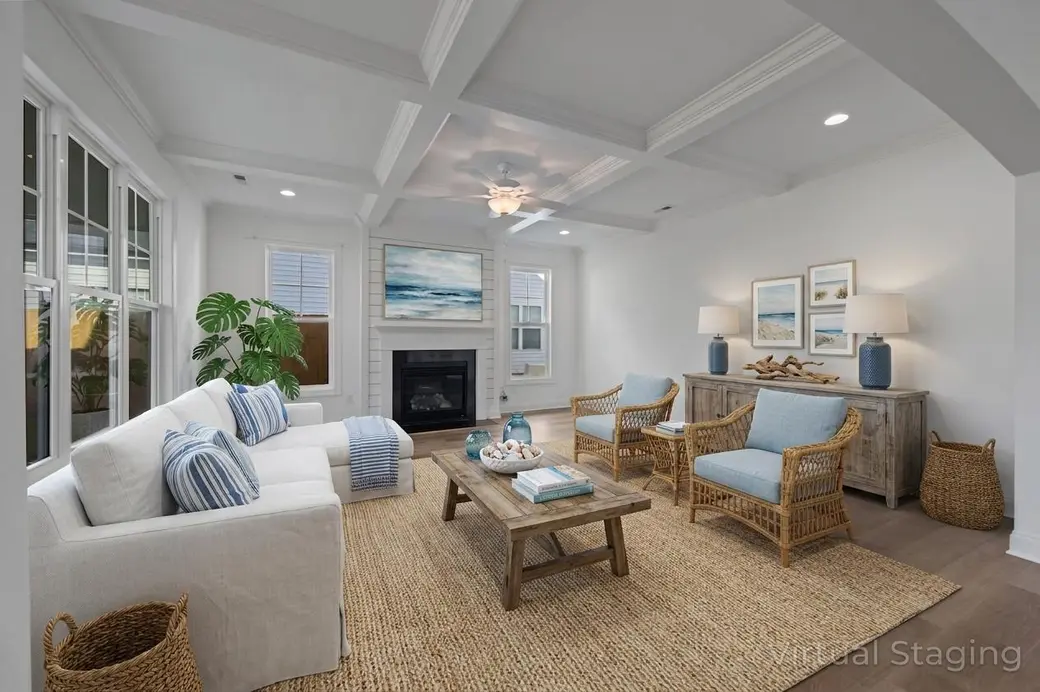
Do I Need to Stage My Home Before Selling?
No, you do not necessarily need to hire a professional home stager before selling your house. However, preparing your home so buyers can clearly see its space, features, and potential can make a meaningful difference in how it is presented. For many homeowners in Coastal North Carolina, decluttering, deep cleaning, rearranging furniture, and improving curb appeal may be enough to make the home more appealing without the expense of full professional staging.
The right approach depends on your home's condition, layout, price point, target buyers, and the way it will be marketed. Whether you are selling a primary residence in Holly Ridge, a coastal property in Surf City, or a vacation home near Topsail Beach, the goal is to present your property in a way that helps buyers understand its value.
What Is Home Staging?
Home staging is the process of preparing and presenting a property to help potential buyers envision themselves living there. It may involve rearranging existing furniture, removing excess belongings, choosing neutral accents, improving lighting, or bringing in additional furniture and décor.
Staging does not necessarily mean renovating your home or purchasing new furniture. Often, it involves making thoughtful changes to what you already have.
Common staging techniques include:
-
Decluttering: Removing excess belongings from countertops, shelves, closets, and living areas.
-
Depersonalizing: Putting away family photographs and highly personal décor so buyers can focus on the home itself.
-
Rearranging furniture: Improving traffic flow and making rooms feel more open.
-
Deep cleaning: Giving floors, windows, kitchens, bathrooms, and other frequently used areas extra attention.
-
Improving lighting: Opening window coverings, replacing burned-out bulbs, and making rooms feel bright and welcoming.
-
Enhancing curb appeal: Tidying landscaping, clearing walkways, and creating a welcoming entrance.
These steps can help your home photograph well and feel inviting during showings, even without professional staging services.
Does Staging Really Help Sell a Home?
Home staging can help buyers visualize a property's potential, but it does not guarantee a higher sale price or a faster sale.
According to the National Association of REALTORS®' 2025 Profile of Home Staging, 83% of buyers' agents surveyed said staging made it easier for buyers to visualize a property as their future home. The report also found that 49% of sellers' agents surveyed observed a reduction in the time staged homes spent on the market. These are survey findings reflecting agents' observations, not guaranteed outcomes for every property. National Association of REALTORS® (2025 Profile of Home Staging; report findings).
Staging can be particularly useful when rooms are difficult to visualize, furniture makes spaces feel cramped, or a property has features that deserve more attention.
For sellers, the practical question is not simply whether staging works. It is whether the recommended improvements are appropriate for your property and worth the time and expense.
Which Rooms Should You Stage Before Selling?
You do not necessarily need to stage every room. Concentrating on the areas buyers are most likely to notice can be a more practical approach.
1. Living Room
The living room helps buyers understand how the home's main gathering space functions. Remove excess furniture, clear unnecessary items from tables, and arrange seating to create a comfortable flow.
If your home has an open-concept living area, make sure the furniture arrangement defines the space without making it feel closed off.
2. Kitchen
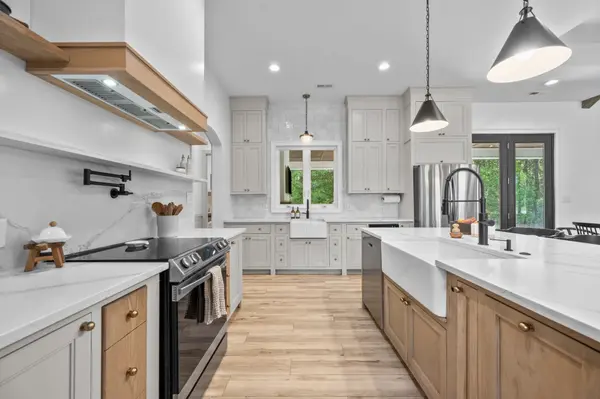
A clean, organized kitchen can make a strong impression. Clear countertops of small appliances and miscellaneous items, clean cabinet fronts, and remove unnecessary items from the refrigerator door.
You do not need a complete kitchen renovation simply to prepare the room for sale. Focus on cleanliness, organization, and showing the available workspace.
3. Primary Bedroom
The primary bedroom should feel restful and spacious. Make the bed neatly, remove unnecessary furniture, clear bedside tables, and organize visible clothing and personal belongings.
If the room feels crowded, temporarily removing a piece of furniture may help buyers better understand its size.
4. Bathrooms
Bathrooms benefit from a clean, simple presentation. Clear countertops, put away personal care products, clean mirrors, and replace worn or mismatched towels with fresh ones.
Pay attention to visible maintenance concerns as well. Staging should complement necessary cleaning and repairs rather than conceal problems.
5. Outdoor Living Spaces
Outdoor spaces deserve particular attention in Coastal North Carolina, where porches, decks, patios, and yards may be important features of a property.
Before listing, consider sweeping outdoor surfaces, removing unnecessary furniture, tidying landscaping, and arranging seating to show how the space can be used.
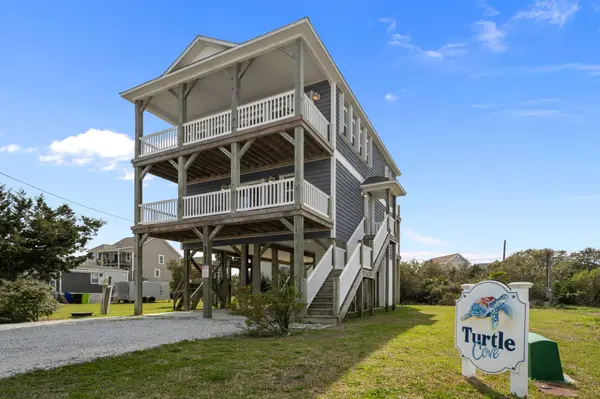
For homes in Surf City, North Topsail Beach, or Topsail Beach, make sure outdoor areas are clean and well presented without overlooking the condition of railings, decking, stairs, or other visible components.
Should You Hire a Professional Home Stager?
Professional staging may be worthwhile for some properties, but it is not necessary for every seller.
A professional stager can evaluate furniture placement, room proportions, color choices, and the overall presentation of a home. Depending on the service, staging may involve a consultation, rearranging existing furnishings, or bringing in rented furniture and accessories.
You might consider professional staging if:
-
Your home is vacant and buyers may struggle to visualize room layouts.
-
The floor plan is unusual or certain spaces have unclear purposes.
-
Your existing furniture makes rooms feel crowded.
-
You are preparing a property where presentation is an important part of its marketing strategy.
-
You want an objective opinion about how to prepare the home before listing.
If you are working with a limited budget, a staging consultation may be a useful middle ground. You can receive recommendations and decide which improvements to complete yourself.
Before committing to a staging service, ask about the scope of work, costs, rental periods, and any additional fees.
Can I Stage My Home Myself?
Yes. Many homeowners can make meaningful improvements without hiring a professional.
Start by walking through your home as if you were seeing it for the first time. Pay attention to crowded rooms, distracting personal items, visible clutter, and areas that need additional cleaning.
Use this checklist to organize your preparation.
DIY Home Staging Checklist
0 of 10
You do not have to complete everything in one day. Prioritize the areas that will make the biggest difference in how your home looks, feels, and photographs.
Is Staging Different for Coastal North Carolina Homes?
The basic principles of staging apply throughout the region, but the features of your particular property should guide your preparation.
For example, a home near the coast may have outdoor living spaces, water views, a beach-oriented layout, or features designed for vacation use. The presentation should help buyers appreciate those features without distracting them with unnecessary décor or clutter.
Consider the following when preparing a coastal property:
-
Porches and decks: Arrange outdoor furniture to demonstrate how the space can be enjoyed.
-
Natural light and views: Keep windows clean and window coverings arranged to highlight available light and views.
-
Storage: Organize closets, utility areas, and storage spaces so buyers can assess their functionality.
-
Beach and rental belongings: If the property is used as a vacation home or rental, put away excess beach gear, personal items, and supplies that distract from the living space.
-
Visible maintenance: Salt-air exposure and coastal weather can affect exterior materials and outdoor fixtures. Address visible maintenance needs rather than relying on staging to distract from them.
For waterfront or oceanfront properties, views and outdoor access may be major selling features. Make sure these features are visible and accessible during photography and showings.
The best presentation will vary from property to property. A furnished beach condominium, an unfurnished investment property, and a year-round residence in Jacksonville may each benefit from a different preparation plan.
Should I Stage My Home If It Is Already Furnished?
Not necessarily. If your home is clean, well maintained, and furnished in a way that complements its layout, you may need only a few adjustments.
Look for furniture that blocks walkways, oversized pieces that make rooms feel smaller, or decorations that compete with the home's features. Removing a few items and rearranging others may be all that is needed.
It is also worth considering whether your current furnishings will photograph well. A room can feel comfortable in everyday life but appear crowded in listing photos.
An objective review before photography can help you decide whether to leave the room as it is, make small changes, or seek professional advice.
Is Home Staging Worth the Cost?
Staging should be evaluated as part of your overall selling strategy rather than as an automatic expense.
The cost and potential benefit depend on the property, the amount of work needed, and the likely expectations of buyers. A modest investment in cleaning, decluttering, and rearranging furniture may be sufficient for one home, while another property may benefit from professional assistance.
Before spending money on staging, consider:
-
Your home's current condition. Determine whether cleaning and organization will be enough or whether furniture, repairs, or other improvements need attention.
-
Your likely buyer. Think about which features buyers are most likely to value in your type of property.
-
Your marketing plan. Consider how the home's presentation will translate into listing photographs, video, and in-person showings.
-
Your budget. Compare the proposed cost of staging with other preparation priorities.
-
Your expected return. Discuss the likely benefits and limitations of the proposed work with your listing agent. Do not assume staging will produce a specific price increase.
Remember that presentation is only one part of selling a home. Pricing, condition, location, marketing, and current buyer demand also influence the outcome.
How Do I Know What My Home Needs Before Listing?
The most useful starting point is an evaluation of your individual property.
A listing agent can walk through the home with you, identify its strongest features, and recommend preparation steps based on its condition, layout, price range, and likely audience. This can help you avoid spending money on changes that are unlikely to improve the home's presentation.
For example, one seller may benefit from removing excess furniture and improving the lighting. Another may need to focus on cleaning, minor repairs, and presenting an outdoor living area more effectively. A vacant home may require a different strategy from a furnished residence.
The goal is to develop a practical plan that makes sense for your property—not to make every home look the same.
Do I Need to Stage My Home Before Selling? The Bottom Line
You do not have to professionally stage your home to sell it, but preparing it thoughtfully can help buyers appreciate its space, condition, and potential. Start with decluttering, cleaning, furniture arrangement, and curb appeal. Then consider whether professional staging would provide additional value for your particular property.
For homeowners in Surf City, Topsail Beach, North Topsail Beach, Holly Ridge, Sneads Ferry, Wilmington, Jacksonville, and the surrounding Coastal North Carolina markets, the right preparation plan should reflect the home itself and the buyers it is intended to reach.
Thinking about selling your Coastal North Carolina home? Streamline Realty Team can help you evaluate your property's presentation, identify practical pre-listing improvements, and develop a strategy for bringing your home to market. Contact the team to discuss your property and determine which preparation steps make the most sense before listing.
Categories
Recent Posts



GET MORE INFORMATION