
How Does an Appraiser Determine Your Home's Value in North Carolina?
How Does an Appraiser Determine Your Home's Value in North Carolina?
If you're preparing to sell your home in North Carolina, it's natural to wonder how an appraiser will determine its value.
In most residential transactions, an appraiser develops an independent opinion of a property's market value by analyzing the home itself, recent comparable sales, the surrounding neighborhood, market conditions, and other factors that influence what typical buyers are willing to pay. Comparable sales are often one of the most important components of the valuation process, but they are only part of the overall analysis.
For homeowners in Coastal North Carolina communities such as Surf City, Topsail Beach, North Topsail Beach, Holly Ridge, Sneads Ferry, Jacksonville, Wilmington, and the surrounding areas, understanding how appraisals work can help you prepare your property for the market and set realistic expectations.
What Is a Home Appraisal?
A home appraisal is a professional opinion of a property's market value. Appraisals are commonly ordered during mortgage transactions to help lenders evaluate the property's value and marketability. The appraiser's role is to provide an objective analysis based on market evidence rather than personal preference or emotion.
It's important to understand that an appraisal is different from a home inspection. An inspection focuses on the condition and functionality of a property's systems and components, while an appraisal focuses primarily on market value.
Comparable Sales Play a Major Role
One of the first things many homeowners hear about appraisals is "the comps."
Comparable sales are recently sold properties that are similar to the subject property. Appraisers analyze comparable sales to understand how the market has valued homes with similar characteristics. Factors often considered include:
- Location
- Square footage
- Lot size
- Age of the home
- Number of bedrooms and bathrooms
- Condition
- Quality of construction
- Renovations and upgrades
- Amenities and special features
Appraisers are responsible for selecting the comparable sales they believe are most appropriate for the assignment and then analyzing differences between those properties and the subject property.
Why Adjustments Matter
No two homes are exactly alike.
Because of this, appraisers typically make adjustments when comparing properties. For example, if a comparable sale has a larger garage, a newer kitchen, more square footage, or a superior location, the appraiser may account for those differences when evaluating how the comparable relates to the subject property.
The goal is not to find identical homes. Instead, the goal is to understand how the market reacts to differences between properties and reflect those reactions in the valuation analysis.
The Home's Condition and Features Matter
Appraisers also evaluate the property's physical characteristics.
While individual appraisal assignments can vary, factors commonly considered include:
- Overall condition
- Quality of construction
- Functional layout
- Deferred maintenance
- Major updates and renovations
- Energy-efficient improvements
- Size and usability of living spaces
- Site characteristics
A well-maintained property may compare more favorably to competing homes than a property with obvious deferred maintenance issues. However, homeowners should remember that not every improvement automatically increases value by the amount it cost to install.
Neighborhood and Location Influence Value
A home's value is affected not only by the property itself but also by its surrounding market area.
Appraisers analyze neighborhood characteristics and factors that may influence value and marketability. These can include access to amenities, land uses, market appeal, environmental influences, and other local conditions that affect buyer demand.
In Coastal North Carolina, location-related factors may carry particular importance depending on the property and market. Examples can include:
- Waterfront location
- Water views
- Beach access
- Proximity to the Intracoastal Waterway
- Flood-zone considerations
- Vacation-home demand
- Access to local employment centers
- Community amenities
The relevance of these factors varies from property to property and market to market.
Coastal North Carolina Appraisal Considerations
Many properties in areas such as Surf City, Topsail Beach, North Topsail Beach, and Sneads Ferry have characteristics that may require additional market analysis.
For example, appraisers may need to consider:
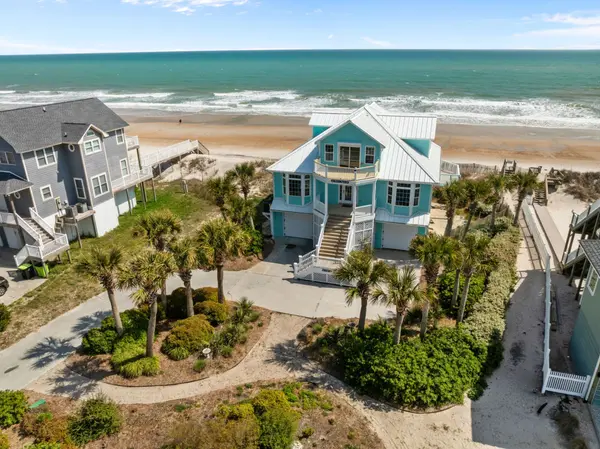
- Waterfront influences
- Sound-front or oceanfront locations
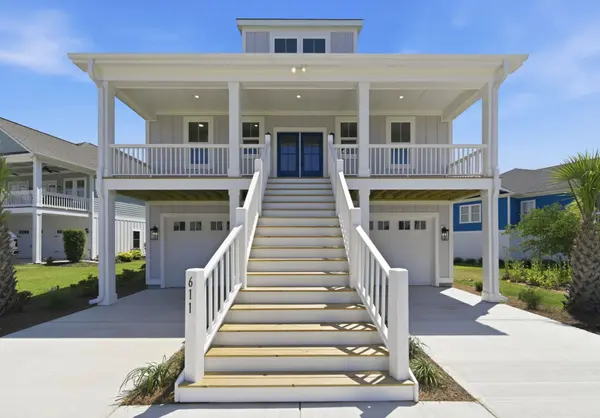
- Elevated construction
- Flood-zone influences
- Unique coastal lot characteristics
- Vacation and second-home demand
These factors do not automatically increase or decrease value. Instead, appraisers evaluate how the local market responds to those characteristics based on available market evidence.
Do Renovations Increase Appraised Value?
Sometimes.
Many improvements can make a property more attractive to buyers, but the relationship between cost and value is not always equal.
For example, a kitchen renovation may improve marketability and value, but the increase in appraised value may be more or less than the renovation cost depending on buyer demand, neighborhood expectations, and competing properties.
Appraisers focus on how the market reacts to improvements rather than simply reimbursing owners for renovation expenses.
What If the Appraisal Comes in Lower Than Expected?
A lower-than-expected appraisal does not necessarily mean the appraiser made an error.
Value opinions are based on available market evidence, property characteristics, and the appraiser's analysis. In some situations, additional information about the property or comparable sales may be reviewed if questions arise regarding the appraisal.
The specific options available in a transaction depend on the circumstances, lender requirements, and the terms agreed upon by the parties involved.
How Can Sellers Prepare for an Appraisal?
While sellers cannot control the market, they can help ensure the appraiser has accurate information.
Consider preparing:
- A list of recent improvements and upgrades
- Dates of major renovations
- Information about unique property features
- Documentation for additions or permitted improvements when available
- Information about features that may not be immediately obvious during a visit
Keeping the property clean, accessible, and well-maintained can also help ensure the appraiser can fully evaluate the home's features and condition.
The Bottom Line
A North Carolina appraiser does far more than look at square footage or pull a few nearby sales. The valuation process involves analyzing comparable sales, property characteristics, neighborhood influences, market conditions, and other factors that affect what buyers are willing to pay.
If you're considering selling a home in Surf City, Topsail Beach, North Topsail Beach, Holly Ridge, Sneads Ferry, Jacksonville, Wilmington, or elsewhere in Coastal North Carolina, understanding your property's likely market position before listing can be valuable.
A property-specific pricing consultation can help you understand how current market conditions, buyer demand, and competing inventory may influence your home's value before it ever reaches the appraisal stage. Contact Streamline Realty Team for guidance tailored to your specific property and goals.
Categories
Recent Posts




GET MORE INFORMATION