
How Much Should I Declutter Before Selling My Home?
How Much Should I Declutter Before Selling My Home?
If you're preparing to sell your home, you should declutter enough to make each room feel spacious, clean, organized, and easy for buyers to understand—but you don't need to remove everything you own. The goal is to highlight your home's features, show off its storage space, and help prospective buyers imagine themselves living there.
For homeowners in Surf City, Topsail Beach, North Topsail Beach, Holly Ridge, Sneads Ferry, Wilmington, and Jacksonville, preparing a home for sale can also be a good opportunity to start packing before moving day. Whether you're selling a primary residence, a second home, or a coastal property used as a vacation rental, a thoughtful decluttering plan can make the preparation process more manageable.
How Much Clutter Should You Remove Before Listing?
There is no universal percentage of belongings you need to remove before selling. The right amount depends on your home's layout, room size, storage capacity, furniture, and current condition.
Instead of focusing on how many items to remove, look at what buyers will see when they walk through your home or view your listing photographs.
Aim to:
-
Clear surfaces: Remove excess items from kitchen counters, bathroom vanities, tables, desks, and other visible surfaces.
-
Create open walkways: Rearrange or remove furniture that makes rooms feel crowded or difficult to navigate.
-
Show off storage: Organize closets, pantries, cabinets, and other storage areas so buyers can see how much usable space is available.
-
Reduce visual distractions: Pack away excessive decorations, personal collections, and items that draw attention away from the home itself.
-
Keep rooms functional: Leave enough furniture and décor to show how each room can be used.
Your home should still feel welcoming and lived in. The goal is to present the property at its best, not make it look completely empty.
Which Areas of Your Home Should You Declutter First?
Start with the areas that have the greatest effect on how buyers perceive the home. You don't have to tackle every drawer and storage bin on the first day. Work through the house in manageable sections.
1. Living Rooms and Common Areas

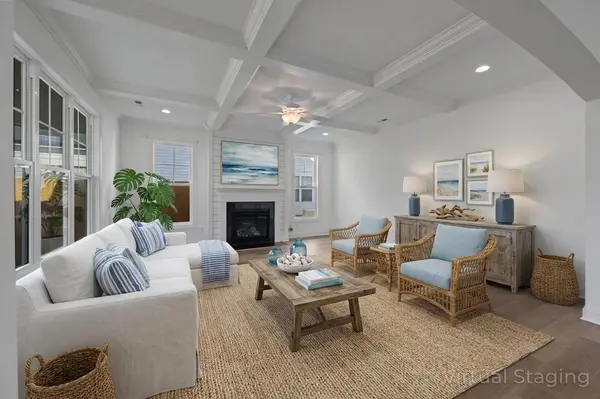
Living rooms, family rooms, and other shared spaces should feel comfortable and easy to move through.
Consider removing:
-
Extra chairs, side tables, or oversized furniture.
-
Stacks of magazines, paperwork, and books.
-
Excess throw pillows, blankets, and decorative accessories.
-
Personal collections that dominate shelves or walls.
-
Items that block windows, doorways, or architectural features.
Keep the furniture that helps buyers understand the room's purpose and layout. An open, inviting living area makes it easier to appreciate the space.
2. Kitchen Countertops and Cabinets

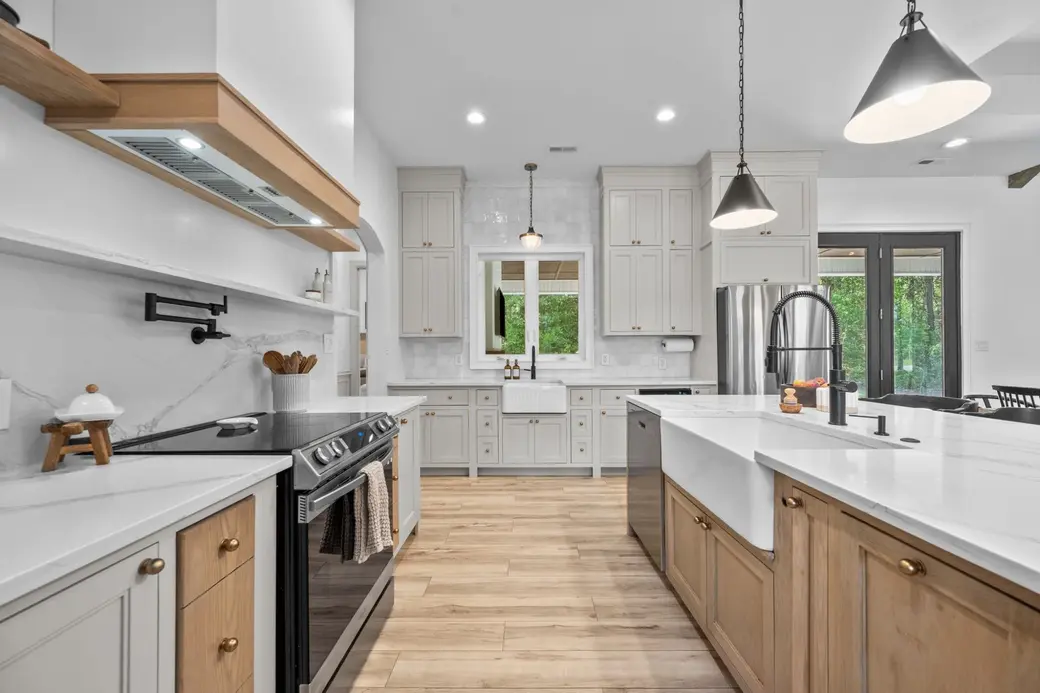
The kitchen is an important area to present clearly because buyers need to see the available workspace, cabinets, and overall layout.
Before listing your home:
-
Put away small appliances you rarely use.
-
Remove excess items from countertops.
-
Clear refrigerator doors of papers, magnets, and photographs.
-
Organize pantry shelves and kitchen cabinets.
-
Pack duplicate dishes, cookware, and serving pieces you won't need before moving.
You don't need to empty the kitchen. Keep everyday essentials accessible while making the counters and storage areas easier to see.
3. Bedrooms and Closets

Bedrooms should feel restful, with enough open space to show the room's size and intended use.
Pack away off-season clothing, extra bedding, shoes you rarely wear, and decorative items that crowd dressers or nightstands. Remove unnecessary furniture if it makes the room feel smaller.
Pay particular attention to closets. Buyers may open closet doors during a showing, so organize clothing, shoes, and storage bins to make the available space easy to understand. Avoid moving everything from the bedroom into an already full closet.
4. Bathrooms and Laundry Rooms

Bathrooms and laundry rooms can collect many everyday items. Clearing them helps the spaces feel clean and functional.
Put away toiletries, cosmetics, cleaning supplies, laundry products, and personal items that aren't needed for daily use. Keep countertops mostly clear, neatly arrange towels, and organize visible shelving.
Store medications and personal documents securely rather than leaving them accessible during showings.
5. Garage, Attic, and Other Storage Areas

Don't overlook the spaces where clutter tends to accumulate. A crowded garage, packed attic, or overfilled storage room can make it difficult for buyers to understand the property's storage capacity.
Start by sorting belongings into four groups:
-
Keep and use before moving.
-
Pack for the next home.
-
Donate or give away.
-
Recycle or dispose of appropriately.
Keep walkways clear and make storage areas accessible. If your home has a storage shed, workshop, or other useful outbuilding, organize it enough for buyers to see its function and usable space.
For Coastal North Carolina homeowners, this may include beach equipment, fishing gear, seasonal decorations, outdoor furniture, and boating accessories. Pack items you won't need before the move, but keep useful features and storage capacity visible.
Should You Remove Family Photos and Personal Decorations?
You don't have to remove every personal item. However, reducing prominent family photographs, collections, and highly individualized decorations can help prospective buyers focus on the home rather than its current occupants.
Consider keeping a few tasteful decorative pieces while packing away anything that makes a room feel crowded or overly personalized.
Also remove or securely store mail, financial paperwork, prescription medications, valuables, and other sensitive belongings before photographs and showings.
The goal is a neutral, welcoming presentation—not a home without personality.
Should You Put Your Belongings in Storage?
Storage can be helpful when your home has more furniture or belongings than the available space can comfortably accommodate.
You may want to consider temporary storage if:
-
You have duplicate or oversized furniture.
-
Closets and cabinets are crowded.
-
You are moving to a smaller home.
-
You have already started packing for your next move.
-
Your home has limited storage space and you need to keep walkways clear.
Before renting a storage unit or portable container, consider what you can donate, sell, or discard instead. You may not need to pay to store items you no longer want.
If you plan to sell a coastal property that you use as a vacation home, consider packing seasonal belongings and excess décor while keeping the furnishings needed to present the property appropriately.
When Should You Start Decluttering Before Selling?
Start as early as practical—ideally before professional listing photographs are taken.
Decluttering can take longer than expected, especially if you've lived in your home for many years or have accumulated belongings across several storage areas.
A simple approach is to work in stages:
Stage 1: Sort and pack
Begin with closets, spare rooms, seasonal items, and belongings you won't need before moving.
Stage 2: Edit each room
Remove unnecessary furniture and decorations, clear surfaces, and organize storage spaces.
Stage 3: Prepare for photographs and showings
Finish cleaning, make beds, put away daily essentials, and check that each room looks open and inviting.
Your timeline will depend on the home's condition, the amount of decluttering required, and your intended listing date. You can begin packing well before the property is officially on the market.
What Should You Avoid When Decluttering?
Decluttering should improve the home's presentation without creating unnecessary expense or stress.
Avoid these common mistakes:
-
Removing too much furniture. Completely empty rooms may make it harder for buyers to understand their size and function.
-
Hiding clutter in other rooms. Moving everything into the garage, attic, or closets doesn't solve the problem if those spaces become crowded.
-
Buying unnecessary organizing products. Use existing bins and boxes before investing in new storage solutions.
-
Starting expensive projects without a plan. Decluttering doesn't automatically require new furniture, renovations, or professional staging.
-
Waiting until the last minute. Rushing can make it harder to sort belongings thoughtfully and prepare the home for photography.
If you're unsure how much to remove, a walkthrough with your real estate agent can help you prioritize the areas that need attention before spending money on storage or other preparations.
Do You Need to Declutter Every Room Before Selling?
You should aim to make every room presentable, but not every room needs the same amount of work.
A spare bedroom used for storage may need more attention than an already organized living room. A kitchen with crowded counters may benefit from a few simple changes, while a minimally furnished bedroom might need little adjustment.
Focus on the rooms and features buyers need to understand: usable floor space, natural light, storage, room function, and the overall condition of the property.
For homeowners preparing to sell in Surf City, Topsail Beach, North Topsail Beach, Holly Ridge, Sneads Ferry, Wilmington, or Jacksonville, the best decluttering plan is one tailored to the individual home—not a rigid checklist that treats every property the same.
How Can Streamline Realty Team Help You Prepare Your Home for Sale?
Knowing what to remove, what to keep, and where to focus your time can make preparing to sell feel much more manageable.
Streamline Realty Team can help you evaluate your home's presentation, identify areas that may benefit from decluttering, and prioritize practical preparation steps before listing. The right approach will depend on your property's layout, condition, location, and the buyers you hope to reach.
Thinking about selling your home in Coastal North Carolina? Before spending money on storage, staging, or updates, contact Streamline Realty Team for a property-specific pre-listing consultation. We'll help you determine which preparation steps make sense for your home and develop a plan for moving forward.
Categories
Recent Posts







GET MORE INFORMATION