
Operation Bumblebee: Topsail Island’s Secret Role in Missile Development
Operation Bumblebee: Topsail Island’s Secret Role in Missile Development
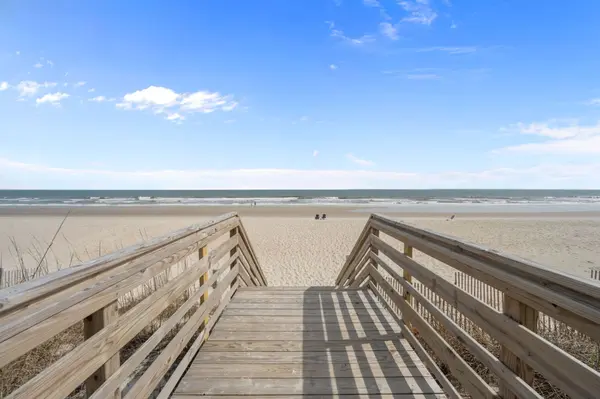
Topsail Island, a picturesque barrier island off the coast of North Carolina, is known today for its pristine beaches, charming communities, and relaxed coastal atmosphere. However, beneath its serene beauty lies a fascinating and largely unknown military history. During the late 1940s, this tranquil island played a critical role in the early development of U.S. guided missile technology through a top-secret Navy program known as Operation Bumblebee.
This groundbreaking missile research project, conducted from 1947 to 1948, was instrumental in laying the foundation for modern surface-to-air missile systems. While the program itself was short-lived, its technological advancements had long-lasting effects on military defense strategies during the Cold War and beyond.
The Origins of Operation Bumblebee
In the aftermath of World War II, military strategists recognized a growing threat: the rapid advancement of aircraft technology, particularly the emergence of jet-powered planes. Traditional anti-aircraft guns were becoming ineffective against these faster and more agile aircraft, creating an urgent need for more sophisticated air defense systems.
The U.S. Navy, in collaboration with Johns Hopkins University’s Applied Physics Laboratory (APL), launched Operation Bumblebee to develop a guided missile capable of intercepting high-speed enemy aircraft. The project’s name was inspired by the bumblebee, an insect that, according to urban legend, should not be able to fly due to its small wings and bulky body. This symbolic name reflected the challenge of developing guided missiles, a technology that seemed impossible at the time.
Why Topsail Island?
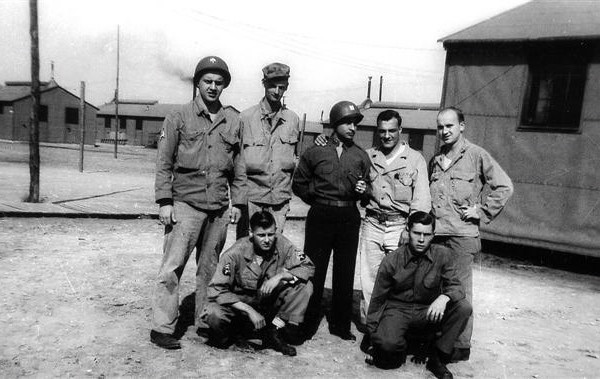
Topsail Island was selected as the primary testing site for Operation Bumblebee due to its ideal location and natural advantages:
- Remote and Sparsely Populated – In the 1940s, Topsail Island was mostly uninhabited, making it a perfect location for secretive military tests without the risk of civilian casualties.
- Long, Narrow Landmass – The island’s geography allowed for missile launches over open water, minimizing the chance of damage to nearby areas.
- Proximity to Camp Lejeune – The U.S. Marine Corps base at Camp Lejeune, located just across the Intracoastal Waterway, provided logistical and military support for the operation.
To accommodate the missile program, the Navy and APL engineers transformed Topsail Island into a top-secret military testing ground. They constructed research laboratories, missile assembly buildings, launch pads, and a unique rail-based launch system along the island’s length.
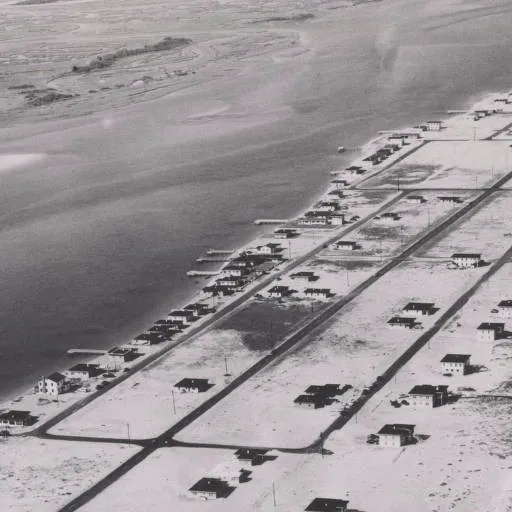
Missile Testing on Topsail Island
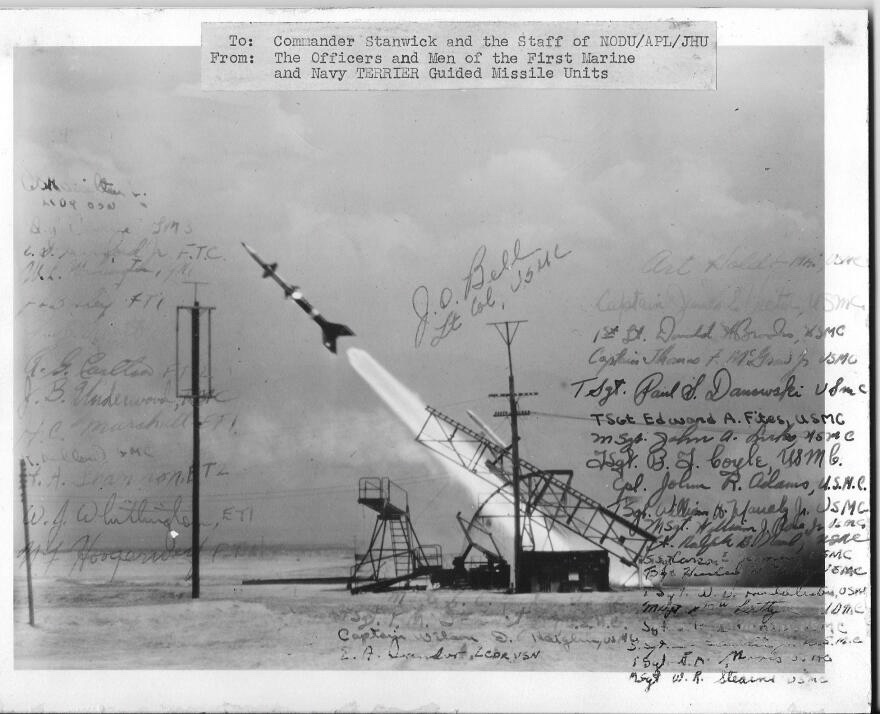
During Operation Bumblebee, researchers and engineers tested a variety of experimental missile designs, focusing primarily on ramjet propulsion technology. The ramjet engine, which compresses incoming air before combustion, was seen as a promising solution for creating high-speed, long-range missiles.
Key features of the testing program included:
- Rail-Based Launch System – A catapult-style launch track was built on the island to propel test missiles into flight, simulating real-world launch conditions.
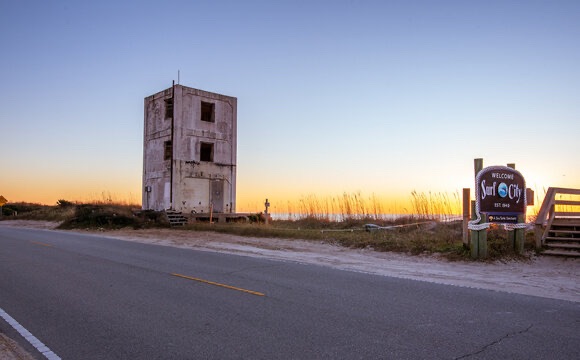
- Concrete Observation Towers – Several tall towers were constructed along the island’s length to track missile trajectories and gather crucial flight data. These structures remain visible on the island today as historical landmark and homes.
- 200+ Test Flights – Over the course of the program, more than 200 test missiles were launched, each providing valuable data that helped refine guided missile technology.
One of the key breakthroughs of Operation Bumblebee was the development of a functional ramjet-powered missile, which would later become the basis for the U.S. Navy’s RIM-8 Talos missile. This advancement significantly influenced the evolution of guided missile systems used in modern naval and air defense.
The End of Operation Bumblebee and Its Lasting Impact
In 1948, Operation Bumblebee officially ended as the Navy moved its missile development program to more permanent facilities at White Sands Missile Range in New Mexico and China Lake Naval Weapons Center in California. Although the testing at Topsail Island was short-lived, the knowledge and technological advancements gained from the program proved invaluable.
The research conducted during Operation Bumblebee directly contributed to the development of the RIM-8 Talos, one of the first operational surface-to-air guided missiles used by the U.S. Navy. The Talos missile system, introduced in the 1950s, was an essential component of naval defense during the Cold War and remained in service until the late 1970s.
Moreover, the work conducted on Topsail Island laid the foundation for future missile programs, influencing the design of modern Aegis missile defense systems and other advanced air defense technologies.
Remnants of Operation Bumblebee on Topsail Island
Though the missile testing program ended decades ago, traces of Operation Bumblebee can still be found on Topsail Island today. Three of the original observation towers remain standing, serving as silent witnesses to the island’s military past. These towers, once used for tracking missile flights, have since been repurposed into private residences and offices, but they continue to be historical landmarks.
For those interested in learning more about this secret chapter of military history, the Missiles and More Museum in Topsail Beach offers exhibits detailing Operation Bumblebee’s impact on U.S. military technology. The museum showcases photographs, missile fragments, and firsthand accounts from individuals involved in the project, providing a deeper understanding of Topsail Island’s role in Cold War defense.
Topsail Island: From Missile Testing to Coastal Paradise
Today, it’s hard to imagine that the quiet, picturesque beaches of Topsail Island were once the backdrop for cutting-edge missile experiments. What was once a top-secret military installation is now a thriving coastal destination known for its stunning natural beauty, friendly communities, and relaxed atmosphere.
While Topsail Island has transitioned from a military testing ground to a beloved vacation spot, its history remains an integral part of its identity. The island’s unique blend of military heritage and coastal charm makes it a fascinating place for history buffs and beach lovers alike.
Conclusion
Operation Bumblebee may have been a relatively short-lived program, but its influence on U.S. military defense was profound. The advancements made during the project paved the way for modern guided missile systems and helped shape the future of naval warfare.
Next time you visit Topsail Island, take a moment to appreciate not just its beautiful beaches, but also its incredible contribution to military history. Whether you’re exploring the historic observation towers, visiting the Missiles and More Museum, or simply soaking up the island’s rich past, Operation Bumblebee remains a testament to Topsail’s unexpected role in shaping modern defense technology.

Categories
Recent Posts



GET MORE INFORMATION