
What Should a Good Weekly Seller Update Look Like?
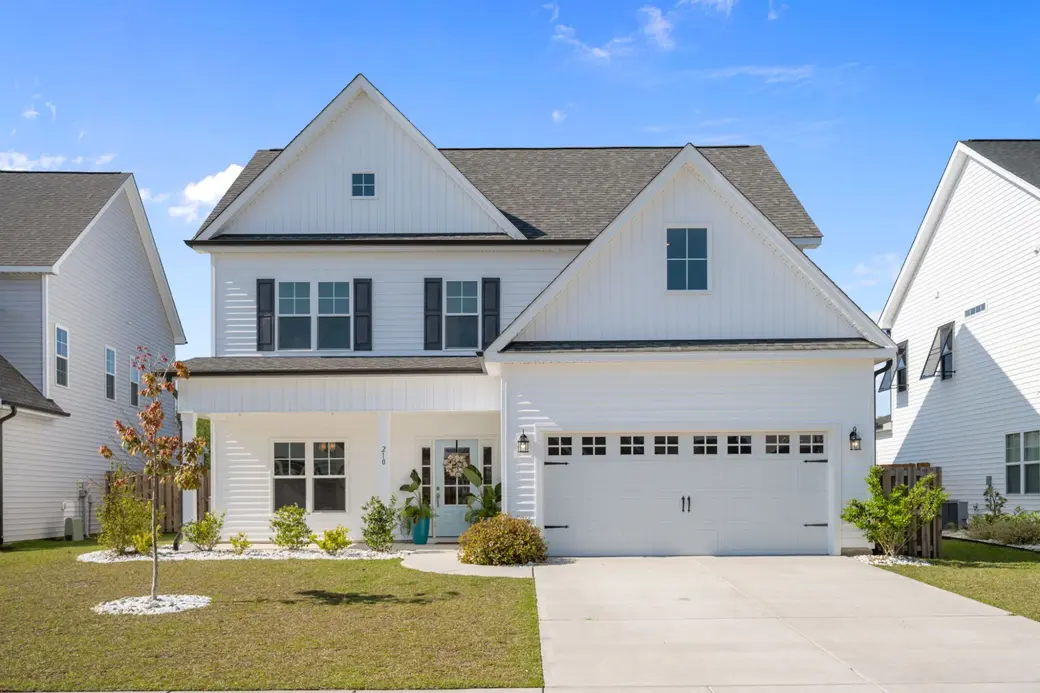
What Should a Good Weekly Seller Update Look Like?
A good weekly Seller update should give homeowners a clear picture of what happened with their listing, how buyers are responding, what has changed in the market, and what their Realtor recommends doing next.
It should be more than a quick message saying there were no showings or that everything is going well. A useful update connects listing activity with the bigger picture so Sellers can understand how their property is performing and make informed decisions.
For homeowners selling in Coastal North Carolina, this can be particularly important. A primary residence in Hampstead, an oceanfront condominium in North Topsail Beach, and a waterfront home in Surf City may attract very different buyers and face different competition.
The format does not need to be complicated. It needs to be consistent, informative, and specific to the property.
What Information Should a Weekly Seller Update Include?
A well-organized weekly update should generally cover six areas:
-
Listing activity and showing appointments
-
Buyer feedback
-
Online listing performance
-
New competition and recent market activity
-
Pricing and positioning observations
-
Recommendations and next steps
The most important part is explaining what the information means for your particular home.
What Does a Good Weekly Seller Update Actually Look Like?
Below is an example of how a Realtor might organize a weekly update for a homeowner.
Important: This is an illustrative reporting template, not actual Streamline Realty Team listing data or a representation of a specific property's performance. The information should be customized using verified activity for the individual listing.
Sample Weekly Seller Update
Property: [Property Address]
Reporting Period: [Start Date – End Date]
Listing Status: Active
1. Listing Activity
This week's activity:
-
Showings completed: [Number]
-
New showing requests: [Number]
-
Canceled appointments: [Number]
-
Open house activity: [Summary, if applicable]
What this tells us:
Showing activity helps determine whether buyers are moving beyond online browsing and making appointments to see the property.
If showing activity has slowed, your Realtor should review possible reasons and compare your home's activity with relevant competing properties.
2. Buyer Feedback
Feedback received this week:
-
Positive comments: [Summary]
-
Questions or concerns: [Summary]
-
Common themes: [Summary]
-
Additional feedback pending: [If applicable]
What this tells us:
Buyer feedback can help identify what people like about the property and whether certain concerns are appearing repeatedly.
For example, if several buyers mention the same issue with condition, layout, or asking price, it may be worth discussing.
Not every buyer agent provides feedback, so the report should distinguish between feedback received and information that is unavailable.
3. Online Listing Performance
Available online activity:
-
Listing views: [Number, if available]
-
Saves or favorites: [Number, if available]
-
Shares or other engagement: [Number, if available]
-
Notable activity changes: [Summary]
What this tells us:
Online activity can provide insight into how people are interacting with your listing.
However, views and saves do not necessarily represent qualified buyers. Your Realtor should consider online engagement alongside actual showing activity and buyer feedback.
4. Market Competition
Relevant market changes this week:
-
New competing listings: [Summary]
-
Price reductions: [Summary]
-
Properties going under contract: [Summary]
-
Recent comparable sales: [Summary, if available]
What this tells us:
Your home is competing with other properties buyers may be considering.
A new listing with similar features, a competing property's price reduction, or a recent comparable sale may affect how buyers evaluate your home.
For Coastal North Carolina properties, relevant comparisons should account for differences such as location, waterfront or oceanfront access, property condition, views, amenities, and property type.
5. Pricing and Market Position
Current observations:
-
Asking price compared with relevant competition: [Summary]
-
Recent comparable sale information: [Summary]
-
Buyer response: [Summary]
-
Potential pricing concerns: [If any]
What this tells us:
A weekly update should help you understand whether your home remains competitively positioned.
It does not mean the asking price should automatically change every week. Pricing discussions should consider relevant comparable sales, current listings, pending activity when reliable, buyer demand, inventory, and the property's individual characteristics.
6. Realtor Recommendations and Next Steps
Recommended actions:
-
[Continue current marketing strategy]
-
[Review buyer feedback]
-
[Address a presentation or maintenance concern]
-
[Evaluate showing availability]
-
[Discuss pricing or positioning]
-
[Schedule a follow-up conversation]
Agent's summary:
[Brief explanation of the week's activity, what it indicates, and whether any action is recommended.]
This final section is especially important. Sellers should not have to interpret a collection of numbers without guidance from the professional representing their property.
What Makes a Weekly Seller Update Useful?
A good report should have several characteristics.
It Should Be Specific to Your Property
A generic market report does not tell you enough about how your particular home is performing.
Your Realtor should connect the information to your property's location, condition, features, price range, and likely buyer audience.
For example, the competition for an oceanfront property on Topsail Island may look very different from the competition for a single-family home in Holly Ridge.
It Should Explain Changes, Not Just List Numbers
If your listing received fewer showings this week, your Realtor should help you understand whether that is part of a broader market pattern or something specific to your property.
If a competing home reduced its price, the update should explain whether that property is a meaningful competitor.
The goal is interpretation, not simply reporting.
It Should Include Recommendations When Appropriate
Not every week requires a change.
Sometimes the right recommendation is to continue the current strategy. Other times, buyer feedback or changing competition may justify a closer review of presentation, availability, or pricing.
Your Realtor should explain the reasoning behind any recommendation.
It Should Be Honest About Missing Information
Not every real estate platform provides the same reporting. Some buyer agents do not submit showing feedback, and not every online engagement measurement is available to the listing agent.
A useful report should identify what is known, what is unavailable, and what conclusions can reasonably be drawn.
It should never fill gaps with assumptions.
What Should a Seller Do After Receiving the Weekly Update?
Receiving a report is only part of the process. Sellers should review the information and ask questions when something is unclear.
Consider discussing:
-
Are we receiving enough showing activity?
-
Are buyers responding positively to the property's presentation?
-
Are we seeing repeated concerns?
-
Have new competing listings changed our position?
-
Does the available information support keeping the current asking price?
-
Is there anything we should do differently before the next reporting period?
These conversations help keep the Seller and Realtor aligned throughout the listing.
If the home is receiving online attention but few showings, for example, it may be worth reviewing the listing presentation, price, and competition together.
If showings are occurring but no offers are developing, the feedback and comparable properties may provide useful clues.
How Often Should a Seller Receive an Update?
Weekly reporting is a practical communication approach for many active listings, but the appropriate frequency and format should be discussed with your listing agent.
Important developments should not have to wait until the next scheduled report. An offer, significant buyer feedback, a major competing listing, or another time-sensitive development may warrant communication as it happens.
North Carolina Real Estate Commission guidance emphasizes establishing communication methods and frequency that respond to the client's needs and preferences. A particular weekly report format is not a universal legal requirement.
Sellers should establish expectations with their broker before listing.
What Should Coastal North Carolina Sellers Pay Attention To?
A useful weekly update should reflect the type of property being sold and the buyers most likely to consider it.
Depending on the property, relevant considerations may include:
-
Oceanfront, sound-front, or waterfront location.
-
Beach access and community amenities.
-
Condominium or homeowners association features.
-
Property condition and maintenance.
-
Flood-zone information and insurance considerations.
-
Rental or second-home appeal, where applicable.
-
Competing properties in the same area and price range.
For example, a Seller in Surf City may want to understand how other beach properties are being presented and priced. A homeowner in Hampstead may be more concerned with competing single-family homes, lot characteristics, and recent comparable sales.
A meaningful update should focus on the factors that actually influence the property's buyer audience.
How Streamline Realty Team Approaches Seller Reporting
Streamline Realty Team, Powered by Real Broker, LLC, uses a structured approach to Seller communication and listing coordination.
Depending on the property and marketing strategy, listing services may include showing-feedback monitoring, online listing-performance monitoring, Seller market reports, and pricing and market-position reviews.
These tools can help Sellers understand how their property is performing and provide useful information for discussions about next steps. Specific reporting and services may vary by listing.
With more than $250 million in closed real estate sales, Streamline Realty Team works with homeowners across Coastal North Carolina, including Surf City, Topsail Beach, North Topsail Beach, Holly Ridge, Sneads Ferry, Hampstead, Wilmington, Jacksonville, Pender County, and Onslow County.
Selling Your Home? Know What a Good Update Should Tell You.
A good weekly Seller update should answer three important questions:
-
What happened this week? Showings, feedback, online activity, and market changes.
-
What does it mean? How buyers are responding and how the home compares with relevant competition.
-
What happens next? Whether to continue the current strategy or consider an adjustment.
You deserve more than a message that simply says your listing is still active. You should understand what is happening, what your Realtor is seeing, and what the available information suggests.
If you are considering selling a home in Surf City, Topsail Beach, North Topsail Beach, Hampstead, Holly Ridge, Sneads Ferry, Wilmington, Jacksonville, Pender County, or Onslow County, contact Streamline Realty Team to discuss your property's marketing, pricing, and communication strategy.
Categories
Recent Posts






GET MORE INFORMATION