
blog article

How Often Should My Realtor Communicate with Me After Listing My Home?
Once your home is listed for sale, you should not have to chase your Realtor to find out what is happening.
Most Sellers should expect a regular update at least once a week, along with prompt communication whenever something important happens. This is a practical starting point, not a legal requirement or a universal rule. The right schedule should be discussed with your listing agent before your property goes on the market.
Communication should include more than a quick message saying there is no news. Your Realtor should help you understand showing activity, buyer feedback, online listing performance, competing properties, and whether any adjustments to your selling strategy may be worth discussing.
Selling a home is a major financial decision. You deserve to know what is happening and what comes next.
How Often Should Your Realtor Contact You?
For many Sellers, a weekly conversation or written update provides a helpful routine. However, communication should be based on what is happening with the property—not simply a calendar reminder.
A good communication plan generally includes:
-
Before the listing goes live: Review expectations, marketing plans, showing procedures, and how updates will be delivered.
-
After showings: Share meaningful buyer feedback when it becomes available.
-
Weekly: Review listing activity, marketing performance, market changes, and next steps.
-
When something important happens: Contact you promptly about offers, significant buyer interest, time-sensitive decisions, or other important developments.
Some Sellers prefer a phone call, while others would rather receive an email or text. Your agent should understand your preferences and agree on a communication method that works for both of you.
What Should Your Realtor Tell You After Your Home Is Listed?
Regular communication should provide useful information about how your home is performing in the market.
Here are five areas that deserve attention.
1. Showing Activity
You should know when prospective buyers have toured your home and whether additional showings are scheduled.
Your agent should help you understand:
-
How many showings have taken place
-
Whether buyers have requested additional information
-
Whether repeat showings have occurred
-
Whether there are any patterns in buyer interest
-
Whether showing activity is consistent with expectations
A showing does not necessarily mean a buyer is preparing an offer. However, tracking activity can help identify how buyers are responding to the property.
2. Buyer Feedback
Showing feedback can provide useful insight into how prospective buyers view your home.
When feedback is available, your agent should share relevant comments about:
-
Property condition and presentation
-
Price compared with similar homes
-
Features buyers liked
-
Concerns or objections
-
Whether buyers are considering another visit or taking further action
Not every buyer's agent provides feedback. Your Realtor should distinguish actual comments from assumptions and avoid treating one person's opinion as a definitive market conclusion.
3. Online Listing Performance
Most buyers begin their home search online, so it is useful to understand how your property is performing across the websites and platforms where it is advertised.
Depending on the available reporting, your agent may be able to discuss:
-
Listing views
-
Photo engagement
-
Saves or shares
-
Online inquiries
-
Performance of enhanced listing presentations
-
Changes in online activity over time
These numbers can provide context, but views and clicks are not the same as qualified buyer interest. Your agent should explain what the available information does—and does not—tell you.
4. Competing Listings and Market Changes
Your home is being evaluated alongside other properties available to buyers.
Your Realtor should keep you informed about meaningful changes, including:
-
New competing listings
-
Similar properties going under contract
-
Recent comparable sales
-
Changes in available inventory
-
Buyer activity and demand
-
Properties that may affect your home's market position
This is particularly relevant in Coastal North Carolina, where property types and locations can vary considerably.
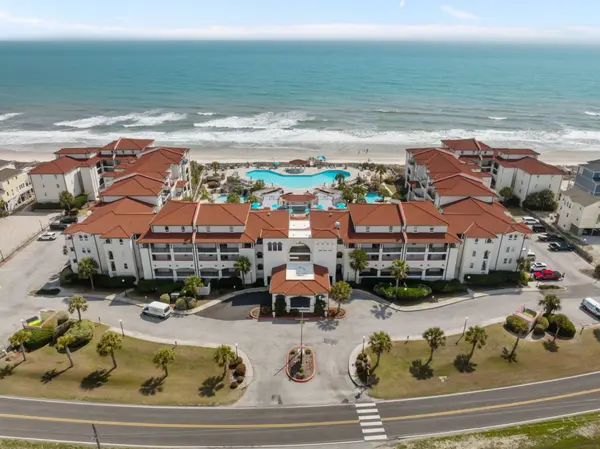
An oceanfront condominium in North Topsail Beach may compete with a different group of properties than a waterfront home in Hampstead or a primary residence in Holly Ridge. Understanding the competition helps put your listing activity into perspective.
5. Pricing and Recommended Next Steps
Pricing should remain part of the conversation after your home is listed.
Your agent should help you evaluate whether the original pricing strategy continues to make sense based on current market conditions and actual buyer response.
That discussion may include:
-
Recent comparable sales
-
Current competing listings
-
Pending activity when reliable information is available
-
Showing activity and buyer feedback
-
Property condition and presentation
-
Changes in buyer demand
-
Your goals and desired timeline
A price adjustment should not be suggested simply because a certain number of days have passed. It should be based on the available information and a thoughtful discussion about your property's position.
Should Your Realtor Contact You Immediately When an Offer Comes In?
Yes. An offer is an important development and should not wait until your next scheduled weekly update.
Your listing agent should contact you promptly when an offer is received and explain the terms so you can evaluate your options.
In North Carolina, brokers are expected to present offers to their clients as soon as possible. Your agent should also help you understand that the purchase price is only one part of an offer. Financing, contingencies, due diligence, closing dates, and other terms can affect the overall proposal.
You should have an opportunity to ask questions and make informed decisions before responding.
What If Your Home Has Showings but No Offers?
This is a situation where consistent communication becomes especially important.
If buyers are visiting your home but no offers are coming in, your Realtor should help you look for patterns rather than simply telling you to wait.
Consider discussing:
-
Are buyers responding positively to the home's condition?
-
Are there recurring concerns in the feedback?
-
Is the asking price competitive with similar properties?
-
Are competing homes offering features buyers prefer?
-
Does the online presentation accurately communicate the property's value?
-
Are there changes that could improve buyer interest?
For example, a Seller in Surf City may need to evaluate how their property compares with other beach homes, oceanfront properties, or vacation-oriented listings. A homeowner in Jacksonville or Wilmington may be competing with a different selection of homes and buyer priorities.
The goal is to understand what the market is communicating and determine whether a change in strategy is warranted.
What If Your Realtor Is Not Communicating?
If you are not receiving updates, start by contacting your agent and asking to establish a more consistent communication schedule.
You might ask:
-
When should I expect routine updates?
-
How will I receive showing feedback?
-
Can we schedule a regular listing review?
-
Will you let me know immediately when an offer comes in?
-
Who should I contact if you are unavailable?
If communication continues to be inconsistent, review your listing agreement and discuss your concerns with your agent or the appropriate brokerage representative.
You should not have to wonder whether anyone is monitoring your listing or whether important developments are being shared with you.
Does Communication Matter When Selling a Coastal North Carolina Home?
It can be especially important when the Seller does not live near the property.
Coastal North Carolina has a wide range of property types, including oceanfront homes, waterfront properties, beach cottages, condominiums, vacation rentals, second homes, and primary residences.
Some owners live outside the immediate area and depend on their listing agent to keep them informed about showings, buyer feedback, property access, and important decisions.
For example, an owner selling a vacation property on Topsail Island may not be available to attend every showing or visit the home regularly. A clear communication plan helps that Seller stay involved without having to be physically present.
Whether you are selling in Surf City, Topsail Beach, North Topsail Beach, Sneads Ferry, Hampstead, Holly Ridge, Wilmington, or Jacksonville, communication should be part of the listing strategy from the beginning.
How Does Streamline Realty Team Keep Sellers Informed?
Streamline Realty Team, powered by Real Broker, LLC, uses a structured team approach to Seller communication, listing coordination, showing-feedback monitoring, and transaction management.
Depending on the property and marketing plan, Seller communication and reporting may include:
-
Showing activity and available buyer feedback
-
Online listing-performance information
-
Relevant market and competing-property updates
-
Pricing and market-position discussions
-
Coordination of important listing and transaction milestones
Managing Broker Matt Jones leads Streamline Realty Team's Seller-focused approach throughout Coastal North Carolina.
The team recognizes that listing a home involves more than putting it on the market. Sellers should understand how their property is performing, what buyers are communicating through their activity, and what decisions may need attention as the listing progresses.
Questions to Ask Your Realtor Before Listing Your Home
Before choosing a listing agent, ask how communication will work once your home is active.
Here are some useful questions:
-
How often will I receive a routine update?
-
Will updates be delivered by phone, email, or text?
-
How quickly will I hear about showing feedback?
-
Will you share available online listing-performance information?
-
How often will we review competing properties and market conditions?
-
Will you contact me immediately when an offer is received?
-
Who will be my contact if you are unavailable?
-
How will communication continue once my home goes under contract?
The answers can help you understand what to expect and whether the agent's communication style fits your needs.
The Bottom Line: You Should Know What Is Happening With Your Listing
A weekly update is a reasonable starting point for many Sellers, but good Realtor communication goes beyond sending a message once every seven days.
You should receive meaningful updates about showings, buyer feedback, online performance, competing listings, and pricing considerations. Important developments, especially offers and time-sensitive decisions, should be communicated promptly.
Before your home goes on the market, make sure you and your listing agent agree on how often you will communicate and what information you can expect to receive.
Thinking about selling your home in Coastal North Carolina? Contact Streamline Realty Team to discuss your property, your goals, and the communication and marketing strategy you should expect from your listing agent.
Categories
Recent Posts





GET MORE INFORMATION