
How Do Pricing and Marketing Work Together to Sell a Home?
How Do Pricing and Marketing Work Together to Sell a Home?
Pricing and marketing work together to determine how a home is positioned in the real estate market, how buyers perceive its value, and whether the property attracts meaningful interest. Pricing establishes where a home competes, while marketing communicates its features, condition, location, and value to potential buyers.
For homeowners preparing to sell in Coastal North Carolina, neither strategy works as effectively without the other. A well-marketed property can attract attention, but an unrealistic asking price may discourage buyers from scheduling a showing. Likewise, a competitively priced home may still struggle to attract interest if its presentation and marketing do not communicate what makes it worth considering.
The strongest listing strategy combines a property-specific pricing approach with professional presentation, targeted exposure, and ongoing evaluation of buyer response.
Why Are Pricing and Marketing Both Important When Selling a Home?
Pricing and marketing influence different parts of the selling process, but they support the same objective: positioning a property to attract qualified buyers.
Pricing determines how buyers initially compare a home against competing properties. Marketing helps those buyers understand what the property offers and why it may be worth considering.
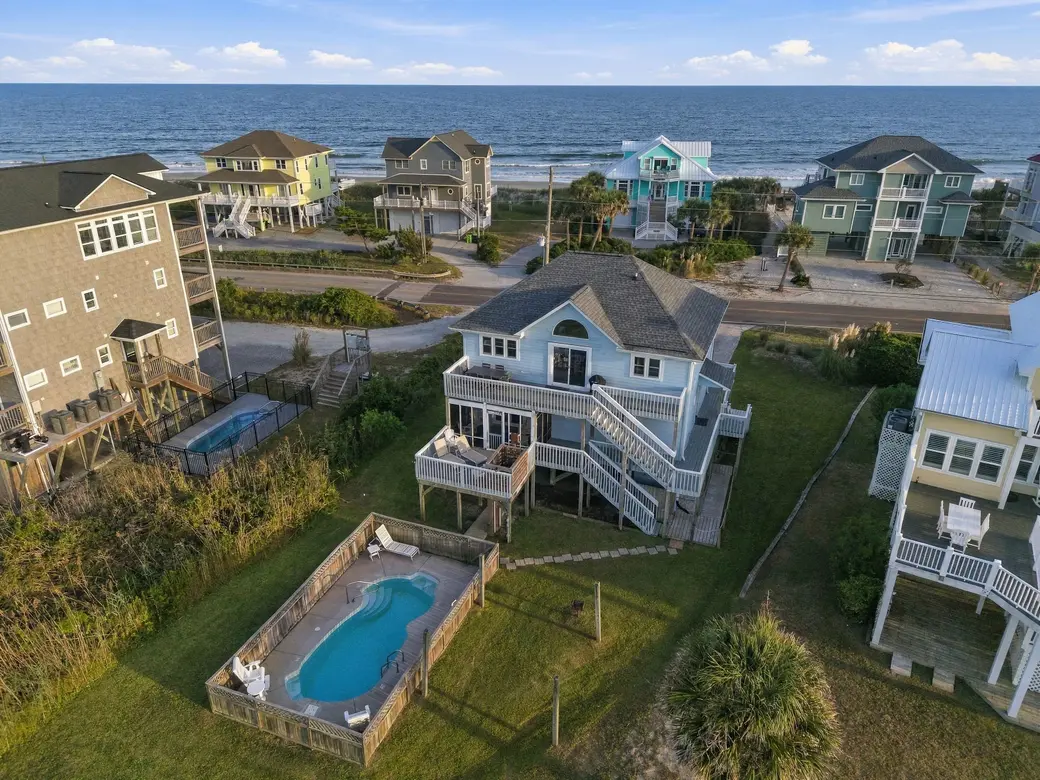
For example, a homeowner selling a waterfront property in Surf City is competing with more than homes that simply have a similar bedroom and bathroom count. Buyers may also compare water views, waterfront access, outdoor living areas, property condition, boating features, and other characteristics.
The asking price must reflect the property's position within its competitive market. The marketing must communicate the features that distinguish it from other available options.
When these elements are aligned, buyers can better understand both the asking price and the property's value.
How Does Pricing Affect the Marketing of a Home?
The asking price influences which buyers consider a property, how it compares with competing listings, and whether it generates interest after becoming available.
Buyers searching online frequently narrow their options using price ranges. A property priced outside the range a buyer considers may never receive attention, even if the home has features that would otherwise appeal to that buyer.
Pricing also influences how a listing compares with similar properties.
Consider a homeowner selling a beach house on Topsail Island. Potential buyers may compare the property against other beach homes, vacation properties, or second homes.
Relevant comparisons may include:
-
Location and proximity to the beach
-
Oceanfront, ocean-view, or sound-side positioning
-
Property size and usable living space
-
Overall condition and recent improvements
-
Outdoor living areas and decks
-
Parking and storage
-
Rental history, when applicable and properly documented
-
Flood-zone considerations and available property information
-
Current competing listings and recent comparable sales
A property-specific pricing analysis helps establish a reasonable starting point for the marketing strategy.
If the asking price does not align with the property's competitive position, even extensive marketing may have difficulty converting attention into serious buyer interest.
Can Good Marketing Sell an Overpriced Home?
Marketing can increase a property's visibility and help communicate its features, but it cannot automatically correct an asking price that is not supported by the market.
Professional photography, video, online exposure, and digital advertising can introduce a property to more potential buyers. However, buyers still evaluate the asking price against comparable properties and available alternatives.
If buyers consistently view a home as overpriced compared with similar options, they may choose to schedule showings elsewhere.
This is particularly important in Coastal North Carolina, where properties can have very different characteristics despite being relatively close geographically.
An oceanfront condominium in North Topsail Beach should not automatically be compared with an inland residential property simply because the two have similar square footage. Likewise, a waterfront home with a private dock may compete differently from a nearby home without water access.
Marketing should highlight the features that make a property distinctive, while pricing should reflect how buyers are likely to evaluate those features.
The goal is not simply to generate attention. It is to attract the right buyers at a price that makes sense for the property and its competitive market.
How Does Marketing Help Buyers Recognize a Home's Value?
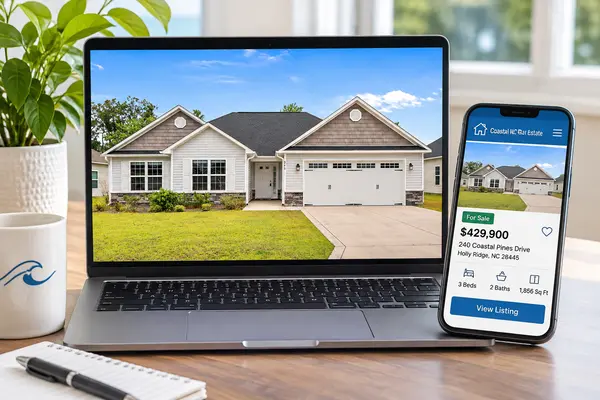
Marketing gives buyers the information and visual presentation they need to evaluate a property before deciding whether to schedule a showing.
A listing description alone cannot communicate everything about a home. Buyers often form their initial impression through photographs, video, property details, and the overall presentation of the listing online.
An effective marketing plan may include:
Professional Photography
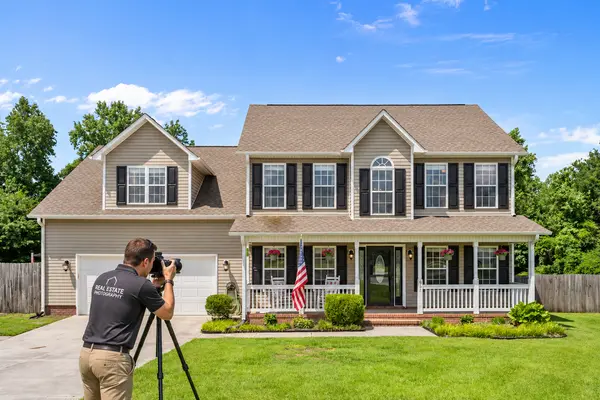
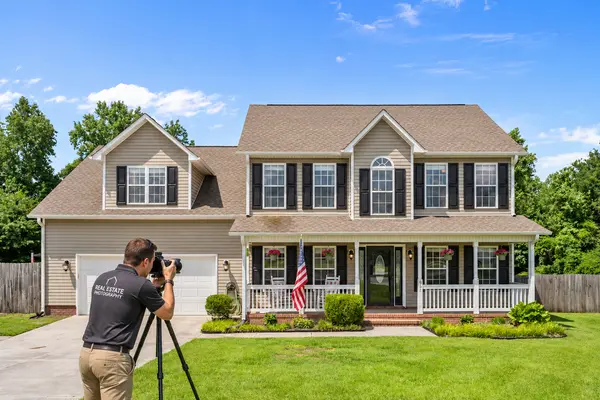
High-quality photography helps present the home's layout, condition, natural light, outdoor spaces, and distinguishing features.
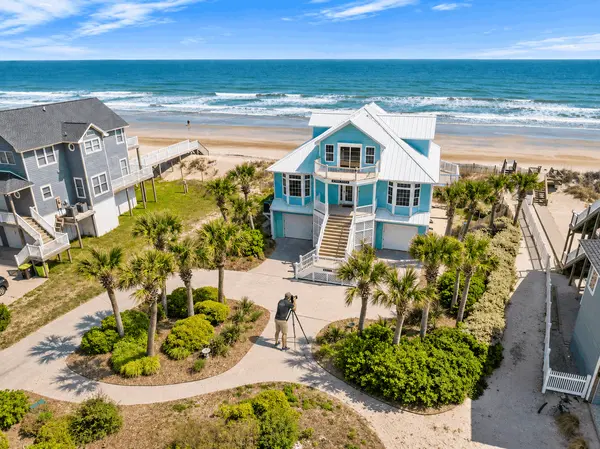
For coastal properties, photographs may also help communicate ocean views, sound-front settings, decks, outdoor entertaining areas, and proximity to the water.
Drone and Aerial Photography
Aerial imagery can help buyers understand a property's location, surrounding area, waterfront positioning, lot layout, and relationship to nearby amenities.
This can be particularly useful for waterfront homes, larger properties, and homes with unique coastal settings.
Floor Plans and Video
Floor plans help buyers understand the home's layout and flow. Video can provide another way to experience the property and its features before visiting in person.
Online Listing Exposure
A property's marketing should extend beyond simply making it available through the MLS and standard listing distribution.
Additional listing presentation and exposure opportunities may help communicate the property's features to buyers researching homes online.
Digital and Social Media Marketing
Digital and social media marketing can provide additional opportunities to introduce a property to potential buyers and encourage them to explore the listing.
The specific marketing approach should reflect the property, its likely audience, and the Seller's objectives.
How Should a Realtor Determine the Right Asking Price?
A listing agent should be able to explain how the recommended asking price was developed and how the property compares with its competition.
Historical comparable sales provide an important starting point, but they do not tell the entire story. A home that sold several months ago may have competed under different market conditions than a home being listed today.
A thoughtful pricing analysis considers several factors:
-
Recent comparable sales
-
Current competing listings
-
Pending activity when reliable information is available
-
Buyer demand
-
Available inventory
-
Days on market
-
Property condition
-
Property-specific characteristics
-
Current market response
For Coastal North Carolina properties, the analysis may also need to account for characteristics such as waterfront access, ocean views, flood-zone information, septic systems, coastal exposure, rental potential, and property-specific improvements.
These factors should be considered based on the actual property rather than assumed to add a particular amount to its value.
A good listing agent should be able to explain not only what similar homes have sold for, but also how the subject property compares with homes buyers can purchase right now.
What Happens When Pricing and Marketing Are Not Working Together?
When pricing and marketing are disconnected, a listing may receive attention without generating the level of buyer interest the Seller expected.
There are several situations worth watching.
The Home Is Priced Too High for Its Competition
A property may receive online views but relatively few showing requests. Buyers may be comparing it with other homes that offer more value at similar asking prices.
The Marketing Does Not Highlight Important Features
A waterfront property may have an attractive dock, water views, or outdoor living spaces, but those features may not be adequately communicated through the photographs or listing description.
The Property Is Not Being Positioned for Its Likely Buyer
A second home, vacation rental, primary residence, and luxury waterfront property may appeal to different audiences. Marketing should reflect the property's actual features and likely buyer considerations.
The Listing Is Not Being Evaluated After It Goes Live
A listing strategy should not end on the day the property becomes active.
Showing activity, buyer feedback, online listing performance, and competing inventory can help the Seller and listing agent determine whether adjustments to pricing, presentation, or marketing deserve consideration.
A lack of buyer activity does not automatically mean the price is wrong. It does, however, provide a reason to evaluate the entire listing strategy.
How Do Coastal North Carolina Homes Benefit From Property-Specific Marketing?
Coastal North Carolina has a diverse real estate market. A property in Surf City may compete differently from one in Holly Ridge, Jacksonville, or Wilmington, even when the homes have similar basic features.
The same is true across Topsail Island.
An oceanfront condominium, a sound-front home, a beach cottage, and an inland residential property each have different characteristics that may influence buyer interest.
Marketing should communicate those distinctions accurately.
For example:
-
Oceanfront homes: Emphasize the property's actual ocean views, beach access, outdoor spaces, and distinguishing features.
-
Waterfront homes: Present water access, docks, bulkheads, boating features, and waterfront positioning where applicable.
-
Vacation properties: Communicate the property's layout, location, amenities, and documented rental information when relevant.
-
Primary residences: Highlight functionality, condition, improvements, storage, outdoor living, and neighborhood considerations.
-
Condominiums: Present the unit's features alongside applicable community amenities, location, and ownership considerations.
The objective is to help buyers understand what makes the property different and how it compares with other available options.
How Does Streamline Realty Team Combine Pricing and Marketing?
Streamline Realty Team approaches Seller representation with the understanding that pricing and marketing must support one another throughout the listing process.
Led by Managing Broker Matt Jones, the Coastal North Carolina team has exceeded $250 million in closed real estate sales and has received multi-year recognition through RealTrends' America's Best Real Estate Professionals.
The team's approach combines market-based pricing considerations, enhanced listing presentation, online exposure, and ongoing listing-performance monitoring.
Property-Specific Pricing
Streamline considers historical comparable sales alongside current competing listings, available market activity, buyer demand, property condition, and the individual characteristics of the home.
The objective is to develop a pricing strategy that reflects the property's competitive position rather than relying exclusively on older sales or an automated online estimate.
Enhanced Listing Marketing
Streamline invests in enhanced listing exposure through programs including:
-
Zillow Showcase, for qualifying or applicable listings
-
Enhanced Realtor.com listing promotion and Spotlight, where applicable
-
Homes.com Boost, where applicable
These opportunities provide additional marketing options beyond standard MLS syndication.
Depending on the property and marketing strategy, listing services may also include professional photography, drone photography, floor plans, video, digital marketing, social media exposure, and agent-to-agent marketing.
Ongoing Listing Evaluation
Pricing and marketing should continue working together after a home becomes active.
Streamline incorporates showing feedback, online listing-performance monitoring, Seller market reports, and pricing and market-position reviews into its listing support.
If buyer response does not match expectations, the team can evaluate the property's presentation, competitive position, and marketing strategy with the Seller.
The goal is to make informed decisions based on the property's actual market response.
What Should Sellers Ask a Realtor About Pricing and Marketing?
Before choosing a listing agent, homeowners should understand how the agent intends to price and market their property.
Here are several useful questions to ask during a listing consultation:
-
How did you determine your recommended asking price?
-
Which competing properties should we consider when evaluating our price?
-
How will you position my home against other available listings?
-
What professional photography and visual marketing will be included?
-
Will my listing receive additional exposure beyond standard MLS distribution?
-
How will you market the property's specific features?
-
How will you communicate showing feedback and buyer interest?
-
How often will we review pricing and market positioning?
-
What happens if the home does not receive the expected buyer activity?
-
How will you help me evaluate whether a pricing or marketing adjustment makes sense?
A strong listing presentation should explain both the pricing recommendation and the marketing plan. Sellers should understand how the two strategies support each other before making a decision.
The Bottom Line: Pricing Creates the Position, Marketing Communicates the Value
Pricing and marketing are most effective when they are developed together and evaluated throughout the selling process.
The asking price determines where a property competes, while marketing helps buyers understand its features, condition, location, and value. Neither can guarantee a sale, but a coordinated strategy gives Sellers a more informed approach to positioning their property.
For homeowners considering selling in Surf City, Topsail Beach, North Topsail Beach, Holly Ridge, Sneads Ferry, Wilmington, Jacksonville, or the surrounding Coastal North Carolina markets, choosing a listing agent who understands both sides of the process is an important decision.
Considering Selling Your Coastal North Carolina Home?
Before choosing an asking price or beginning your marketing, take the time to understand how your property compares with the current competition.
Streamline Realty Team can help you evaluate your home's market position, discuss a property-specific pricing strategy, and review the marketing opportunities available for your listing.
Whether you're selling a primary residence, beach house, waterfront property, condominium, or investment property, the first step is understanding what makes your property competitive in its specific market.
Contact Streamline Realty Team to schedule a Seller consultation and discuss a pricing and marketing strategy for your Coastal North Carolina property.
Categories
Recent Posts



GET MORE INFORMATION