
Can Poor Marketing Cause a Home to Sit on the Market in Coastal North Carolina?
Can Poor Marketing Cause a Home to Sit on the Market?
Yes. Poor marketing can contribute to a home sitting on the market longer than expected. Even when a property is in good condition and competitively priced, ineffective photography, limited online exposure, weak listing descriptions, and an incomplete marketing strategy can prevent potential buyers from recognizing its value.
For homeowners in Coastal North Carolina, marketing is particularly important because properties can appeal to very different buyers. A primary residence in Holly Ridge, an oceanfront condominium in North Topsail Beach, and a waterfront home in Sneads Ferry each have different features and selling points that should be communicated effectively.
A home needs more than an MLS listing to make a strong first impression. Its presentation, online visibility, property information, and ongoing marketing all play a role in attracting buyer interest.
How Can Poor Marketing Cause a Home to Sit on the Market?
Poor marketing can make it harder for buyers to discover a property, understand its features, or see why it may be worth considering.
Common marketing problems include:
-
Low-quality or insufficient listing photographs.
-
Missing or incomplete property information.
-
Generic listing descriptions that fail to highlight important features.
-
Limited online exposure.
-
No meaningful property-specific marketing strategy.
-
Inaccurate or outdated listing information.
-
Little attention to listing performance after the property goes live.
These issues can affect how buyers perceive a home before they ever schedule a showing.
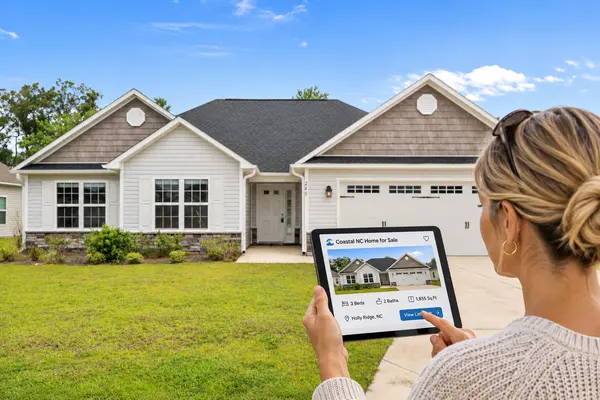
Today's buyers frequently begin their home search online. If the listing does not capture their attention or provide the information they need, they may move on to another property.
For Sellers, that means the marketing strategy should be carefully considered before the home enters the market.
1. Poor Listing Photography Can Cost You Buyer Attention
Photography is one of the most important parts of a property's online presentation.
When buyers browse homes in Surf City, Topsail Beach, Wilmington, or Jacksonville, photographs often determine which listings they investigate further.
Dark rooms, poor camera angles, cluttered spaces, and photographs that fail to show the home's layout can make an otherwise attractive property appear less appealing.
This is particularly important for Coastal North Carolina homes, where buyers may be looking for specific features such as:
-
Ocean views or oceanfront positioning.
-
Intracoastal Waterway or sound views.
-
Outdoor living spaces and decks.
-
Private beach access.
-
Waterfront access, docks, or boat lifts.
-
Community amenities.
-
Updated kitchens and bathrooms.
-
Rental or investment potential.
If these features are not presented effectively, buyers may overlook what makes the property different from competing listings.
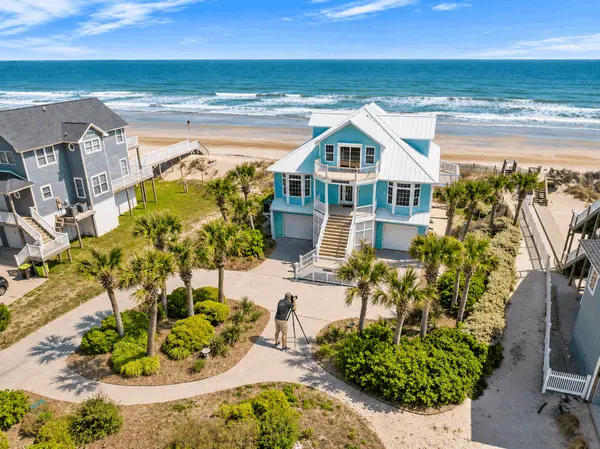
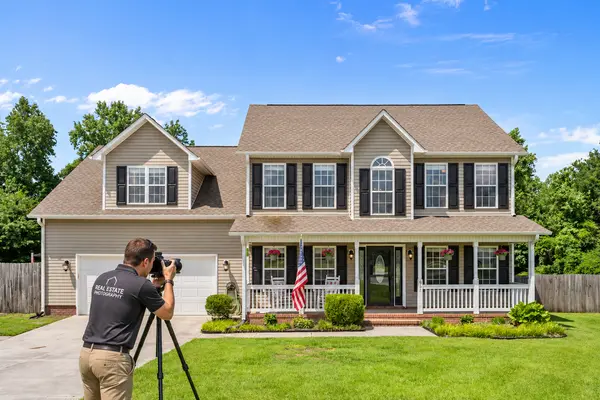
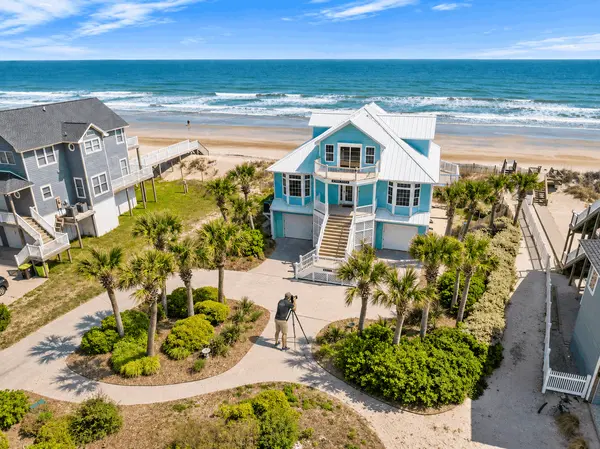
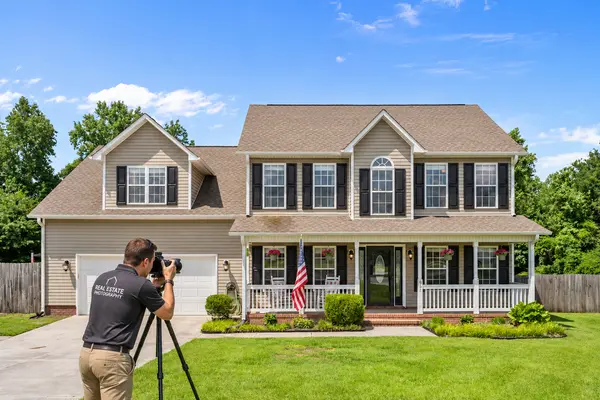
Professional real estate photography helps showcase the property accurately and gives prospective buyers a better understanding of what is being offered.
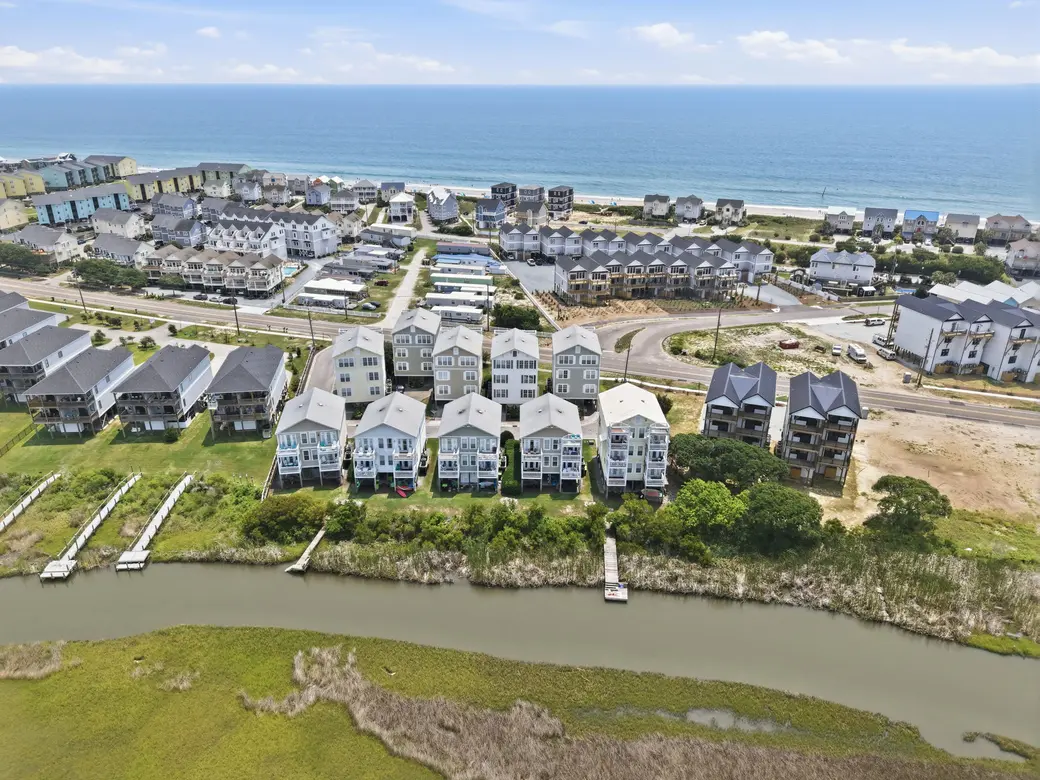
Depending on the property, additional marketing materials such as drone photography, floor plans, and video can provide useful context that traditional photographs alone may not communicate.
2. A Generic Listing Description Can Make a Property Forgettable
A listing description should do more than repeat the number of bedrooms, bathrooms, and square footage.
It should help buyers understand the property's features and why those features may matter to them.
For example, describing a home as having multiple decks is less informative than explaining how those outdoor spaces provide opportunities to enjoy ocean views, coastal breezes, or waterfront surroundings.
For a Topsail Island property, relevant details might include beach access, oceanfront positioning, rental considerations, or proximity to local amenities.
For a Sneads Ferry waterfront property, the marketing may need to emphasize water access, boating features, dock information, or the property's relationship to the surrounding waterfront community.
The goal is not to exaggerate or oversell the home. It is to communicate its actual features clearly and accurately.
A strong listing description helps buyers understand what makes the property worth a closer look.
3. Limited Online Exposure Can Reduce Buyer Awareness
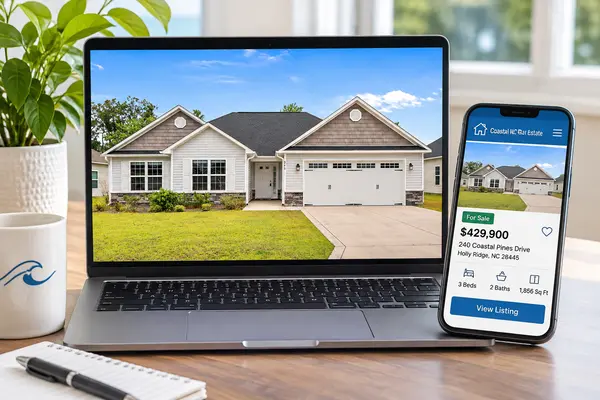
Most prospective buyers begin their search online, often using multiple real estate websites and property search platforms.
Simply entering a home into the MLS and relying on standard listing distribution may not represent the full marketing strategy a Seller wants to evaluate.
When interviewing a listing agent, homeowners should ask:
-
Where will my property be marketed?
-
Will professional photography be included?
-
Are there opportunities for enhanced listing exposure?
-
Will the property receive digital and social media marketing?
-
How will the marketing strategy reach buyers who may be interested in this particular property?
-
What happens after the listing goes live?
These questions are important in Coastal North Carolina, where potential buyers may be searching from outside the immediate area.
Someone purchasing a second home on Topsail Island, for example, may be researching properties from another state. A well-presented online listing can help that buyer understand the property before making plans to visit.
4. Failing to Highlight Coastal Property Features Can Hurt the Marketing Strategy
Coastal North Carolina properties often have characteristics that distinguish them from traditional residential listings.
However, those characteristics need to be communicated correctly.
An oceanfront condominium in North Topsail Beach may appeal to a different audience than a single-family home in Holly Ridge.
A waterfront home in Sneads Ferry may attract buyers interested in boating and water access, while a vacation property on Topsail Island may appeal to buyers evaluating a second home or potential rental investment.
Effective property marketing should identify the features that are genuinely relevant to the property and its likely audience.
Depending on the listing, this may include:
-
Waterfront or oceanfront location.
-
Views and outdoor living areas.
-
Community amenities.
-
Beach access.
-
Property improvements.
-
Available parking and storage.
-
Relevant rental information.
-
Property-specific features and limitations.
Accuracy matters. Marketing should never imply that a property has amenities, access rights, rental permissions, or other features that have not been verified.
A property-specific marketing strategy helps ensure that the home's most meaningful characteristics are not lost in a generic listing presentation.
5. Marketing Should Not Stop When the Listing Goes Live
One of the most overlooked parts of listing marketing is what happens after a property becomes active.
A listing agent should continue evaluating how the property is performing and whether the marketing is generating meaningful buyer interest.
Important questions include:
-
Are buyers viewing the online listing?
-
Are showings being scheduled?
-
What feedback are prospective buyers providing?
-
Are certain property features receiving more attention?
-
How does the listing compare with competing properties?
-
Are changes to the presentation or marketing strategy worth considering?
A property that is not generating interest may need a closer review of its photography, description, presentation, exposure, or pricing.
Marketing performance should be evaluated alongside current market conditions rather than assuming that additional advertising alone will solve the problem.
Can Better Marketing Help a Home Sell Faster?
Better marketing can improve a property's presentation and create more opportunities for qualified buyers to discover it. However, no marketing strategy can guarantee a faster sale or a particular purchase price.
A home's performance also depends on factors such as:
-
Listing price.
-
Property condition.
-
Location.
-
Buyer demand.
-
Competing inventory.
-
Financing conditions.
-
Seasonal market activity.
-
Property-specific characteristics.
For example, an oceanfront condominium in North Topsail Beach may compete with other oceanfront units that offer similar views, amenities, and features.
A home in Jacksonville may face an entirely different competitive environment.
Marketing should therefore work alongside an appropriate pricing strategy. Professional photography and enhanced online exposure cannot necessarily overcome a price that does not reflect the property's position in the current market.
What Should I Do If My Home Is Already Sitting on the Market?
If your home has been listed for a while without the interest you expected, it may be time to evaluate the entire listing strategy.
Start by reviewing the property's online presentation.
Consider whether the photographs accurately showcase the home, whether the description communicates its most important features, and whether the listing provides buyers with the information they need.
Next, ask your listing agent for an update on marketing performance, showing feedback, and current competition.
You may also want to review:
-
Photography: Are the photographs professional, current, and representative of the property?
-
Listing description: Does the description communicate the home's most valuable features?
-
Online exposure: Is the property receiving the marketing exposure originally discussed?
-
Buyer feedback: Are there recurring comments about condition, presentation, or features?
-
Pricing: Does the asking price reflect recent comparable sales and current competing listings?
-
Marketing adjustments: What specific changes could improve the property's presentation or visibility?
If the property is not receiving the attention it needs, a conversation about the marketing strategy may be appropriate.
For homeowners with an existing listing, obtaining a second opinion on the property's presentation, pricing, and marketing can also provide a fresh perspective.
What Should Sellers Look for in a Listing Agent's Marketing Plan?
Before hiring a listing agent, homeowners should ask for an explanation of exactly how their property will be marketed.
A comprehensive marketing conversation should cover more than simply placing the home in the MLS.
Consider asking about:
-
Professional real estate photography.
-
Drone or aerial photography when appropriate.
-
Floor plans and video.
-
Listing presentation and preparation.
-
MLS distribution.
-
Digital and social media marketing.
-
Enhanced property exposure on major real estate platforms.
-
Showing feedback and listing-performance monitoring.
-
Ongoing pricing and market-position reviews.
It is also important to understand which marketing services are included, which are property-dependent, and whether any additional costs apply.
Streamline Realty Team, led by Managing Broker Matt Jones and operating under Real Broker, LLC, incorporates several of these elements into its Seller marketing approach.
The Team has exceeded $250 million in closed real estate sales and has received multi-year recognition through RealTrends' America's Best Real Estate Professionals.
Depending on the property and its marketing strategy, Streamline utilizes professional photography, drone photography, floor plans, video, digital marketing, and enhanced listing exposure through Zillow Showcase, Realtor.com promotional products, and Homes.com Boost where applicable.
These enhanced platform products provide additional marketing opportunities beyond standard MLS syndication.
Streamline also uses listing coordination, showing-feedback monitoring, online listing-performance monitoring, Seller communication, and pricing and market-position reviews as part of its broader listing and transaction systems.
For a homeowner comparing listing agents in Surf City, Topsail Beach, North Topsail Beach, Holly Ridge, Sneads Ferry, Wilmington, or Jacksonville, understanding these services can help make the interview process more productive.
Is Poor Marketing Always the Reason a Home Does Not Sell?
No. Poor marketing is one possible reason a home may struggle to attract buyer interest, but it is not the only explanation.
A property can receive excellent marketing and still struggle if its price, condition, location, or other characteristics do not align with current buyer expectations.
Likewise, a home with limited marketing may still sell because of strong demand or a competitive price.
The important distinction is understanding whether the property's marketing is accurately communicating its value and reaching the appropriate audience.
If a home is sitting on the market, Sellers should evaluate marketing, pricing, property condition, and current competition together rather than assuming that one factor explains everything.
Considering Selling Your Coastal North Carolina Home?
The way a home is presented and marketed can influence how buyers discover, evaluate, and respond to a property.
Whether you own a primary residence in Holly Ridge, a waterfront home in Sneads Ferry, an oceanfront condominium in North Topsail Beach, or a vacation property on Topsail Island, your listing deserves a marketing strategy that reflects its specific features and competitive position.
Streamline Realty Team works with Coastal North Carolina homeowners to evaluate property presentation, pricing, marketing opportunities, and listing strategy.
If you are considering selling, or if your current listing is not generating the interest you expected, contact Streamline Realty Team to discuss your property and review a marketing approach tailored to your goals.
Before choosing a listing agent, ask to see the plan. Understand how your home will be presented, where it will be marketed, and how its performance will be evaluated.
Categories
Recent Posts


GET MORE INFORMATION