
What Should I Look for in a Listing Agent in Coastal North Carolina?
What Should I Look for in a Listing Agent in Coastal North Carolina?
Choosing a listing agent is one of the most important decisions you'll make when preparing to sell your home. The right agent should understand your local market, explain how your asking price will be determined, develop a thoughtful marketing strategy, and help you navigate the details of a North Carolina real estate transaction.
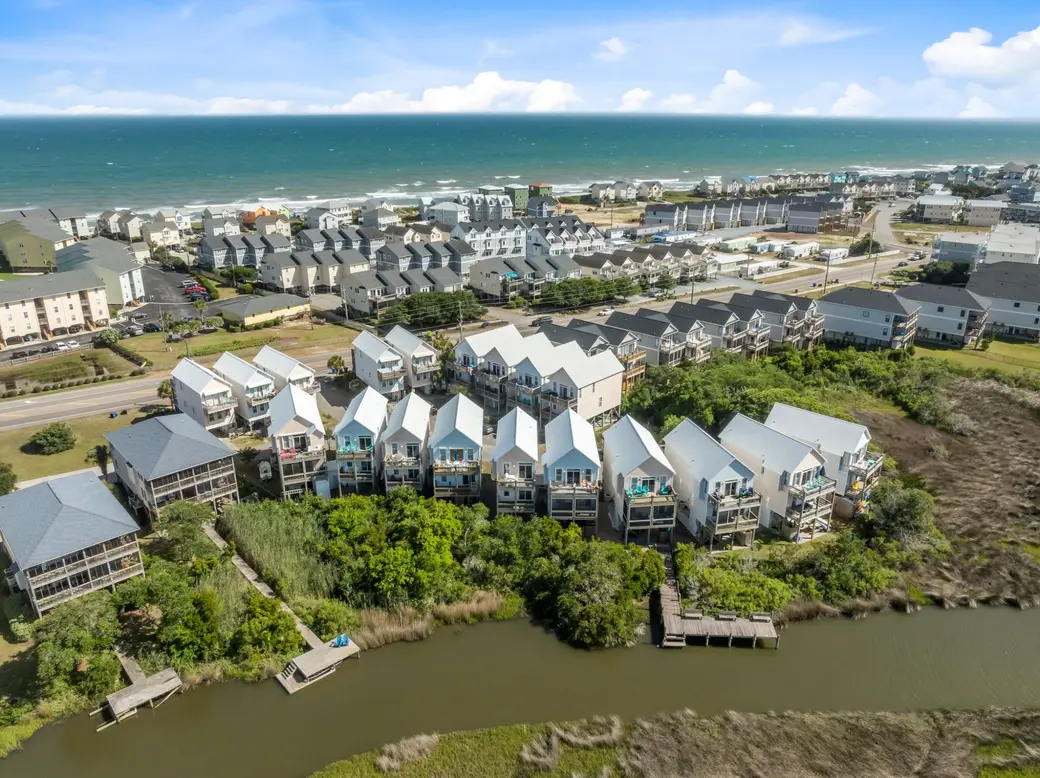
In Coastal North Carolina, local knowledge can be especially important. Selling an oceanfront condominium in North Topsail Beach involves different considerations than selling a primary residence in Holly Ridge, a waterfront property in Sneads Ferry, or a home in Wilmington.
When interviewing a listing agent, look for local market knowledge, a well-supported pricing strategy, a clear marketing plan, strong communication, negotiation experience, and familiarity with the property-specific considerations that may affect your sale. You should also understand the proposed listing agreement, the services included, and the compensation arrangements before deciding whom to hire.
1. Look for Experience in Your Specific Local Market
An agent who regularly works in your area may have a better understanding of the factors that influence buyer demand, pricing, and marketing.
Coastal North Carolina includes a variety of property types and communities. Surf City and Topsail Beach have island and beach-area properties, while North Topsail Beach includes oceanfront condominiums and other coastal homes. Holly Ridge, Jacksonville, Sneads Ferry, and Wilmington offer different neighborhoods, property types, and buyer considerations.
Ask prospective listing agents:
-
How familiar are you with my neighborhood and property type?
-
What comparable properties would you use to help determine my asking price?
-
What factors are influencing buyer interest in this part of the market?
-
Have you worked with properties similar to mine?
-
What challenges should I consider before putting my home on the market?
Look for answers supported by relevant examples and market information rather than broad claims about experience or sales success.
If you own a vacation property, waterfront home, condominium, or property with an accessory dwelling or septic system, ask how the agent approaches the specific characteristics of that property.
2. Ask How the Agent Will Determine Your Listing Price
Pricing is a critical part of your selling strategy. An asking price that is not supported by the market may limit buyer interest, while a well-supported price can help position your property competitively.
A listing agent should be able to explain how they evaluate your property and arrive at a recommended asking price.
Ask whether the agent will prepare a comparative market analysis (CMA) using relevant information such as:
-
Recent comparable sales.
-
Current competing listings.
-
Property size, condition, age, and features.
-
Location, lot characteristics, and views.
-
Relevant differences between your property and comparable homes.
-
Market activity and buyer demand in your specific area.
Coastal properties may require additional care when selecting comparable sales. An oceanfront condominium should not automatically be compared with an inland condominium simply because the properties have similar square footage. Water access, views, location, amenities, property condition, and other relevant features may affect value.
For waterfront and island properties, the agent should also recognize when factors such as flood exposure, insurance considerations, rental history, or community restrictions may influence buyer questions or marketability.
Be cautious of an agent who recommends the highest asking price without explaining how the number is supported. Ask what evidence supports the recommendation and how the agent would evaluate the strategy if buyer response is weaker than expected.
3. Look for a Clear, Property-Specific Marketing Plan
Your listing agent should explain how your property will be presented to potential buyers and how the marketing approach will reflect its strongest features.
A marketing plan may include:
-
Professional photography.
-
Video, virtual tours, or aerial photography when appropriate and permitted.
-
Accurate, compelling property descriptions.
-
Online listing exposure and applicable multiple listing service (MLS) placement.
-
Social media promotion where appropriate.
-
Coordination of showings and open houses when suitable.
-
Communication with interested buyers and their agents.
-
Follow-up to evaluate buyer feedback and interest.
The appropriate approach depends on the property. A coastal home with expansive water views may benefit from photography that captures its setting, while a condominium may require special attention to its layout, amenities, beach access, and community features.
If your property is a vacation rental, ask how the agent will present relevant rental information and coordinate showings around existing reservations, if applicable.
Ask the agent to explain what will happen before the listing goes live, what marketing services are included, and which services may involve additional costs.
Rather than accepting a promise of maximum exposure, look for a specific plan that connects the property's features with the buyers most likely to consider it.
4. Choose an Agent Who Understands Coastal Property Considerations
Coastal real estate can involve questions that are less prominent in other markets. Your listing agent should recognize these issues, know what information may be relevant to buyers, and understand when a qualified professional should be consulted.
Depending on your property, topics may include:
Flood zones and flood insurance: Buyers may ask about flood-zone designations, flood history, or insurance requirements. An agent should know how to identify relevant questions and direct you to appropriate sources for property-specific information.
Salt-air exposure and property maintenance: Coastal conditions can affect exterior finishes, metal components, decks, windows, and other building materials. An agent should understand how property condition may influence buyer interest without substituting for a qualified inspector or contractor.
Waterfront access and shoreline features: Dock rights, boat lifts, access easements, and other waterfront features may require careful review of the applicable records and documents.
Septic systems and wells: If your property uses a septic system or private well, buyers may have questions about permits, maintenance, inspections, or system condition. The appropriate documentation and professional evaluations may be important to the transaction.
Vacation rentals and community restrictions: For rental properties or homes in planned communities, buyers may ask about rental history, HOA rules, amenities, or restrictions. Applicable documents and current rules should be reviewed rather than assumed.
A knowledgeable listing agent does not need to be an insurance specialist, engineer, attorney, or environmental professional. The important distinction is knowing which issues may affect the sale, how to communicate accurately about them, and when to involve the appropriate expert.
5. Pay Attention to Communication and Availability
Selling a home involves decisions, deadlines, questions, and sometimes unexpected developments. Your listing agent should establish clear expectations for communication before you sign a listing agreement.
During your interview, ask:
-
Who will be my primary point of contact?
-
How often will I receive updates?
-
How quickly can I generally expect a response?
-
Who will coordinate showings and communicate buyer feedback?
-
How will you update me on competing listings and market activity?
-
What happens if an offer arrives while you are unavailable?
Also ask who will handle the day-to-day details. Some agents personally manage most aspects of a listing, while others work with a team that shares responsibilities.
Neither approach is automatically better for every seller. What matters is understanding the process, knowing whom to contact, and feeling confident that your questions and decisions will receive appropriate attention.
6. Evaluate the Agent's Negotiation and Transaction Management Approach
Receiving an offer is an important milestone, but the sale involves more than the initial price.
Your listing agent should help you evaluate the terms of an offer, identify questions that need clarification, and understand how different terms may affect your transaction.
Depending on the offer, relevant considerations may include:
-
Purchase price and proposed closing date.
-
Due diligence terms and requested access.
-
Earnest money and due diligence fee provisions.
-
Financing and appraisal-related considerations.
-
Requested repairs, concessions, or other terms.
-
Contingencies and the potential impact of delays.
North Carolina real estate transactions use specific contract forms and terminology. For example, due diligence provisions should be understood in the context of the actual contract rather than treated as interchangeable with practices used in other states.
Ask the agent how they communicate deadlines, coordinate with the buyer's agent and closing attorney, and keep you informed as the transaction progresses.
The agent should explain the options and potential trade-offs without making decisions for you. Your executed contract and the circumstances of your transaction determine the applicable terms and obligations.
7. Understand the Listing Agreement and Compensation
Before committing to an agent, make sure you understand the proposed listing agreement.
Discuss the following:
-
The services the brokerage will provide.
-
The length of the listing agreement.
-
The agreed compensation and how it is calculated.
-
Any additional fees or potential expenses.
-
The marketing activities authorized by the agreement.
-
The process for addressing concerns or requesting changes.
Real estate brokerage compensation is negotiable. Do not assume that every agent or brokerage charges the same amount or provides the same services.
Ask the agent to explain the agreement in plain language and give you an opportunity to review it before signing. If you have questions about the legal effect of a contract provision, consider consulting a North Carolina real estate attorney.
The goal is to understand exactly what you are agreeing to, what services you can expect, and how the professional relationship will work.
8. Ask for Evidence of Results and References
An agent's past experience can help you evaluate whether their approach fits your needs, but the details matter more than a headline number.
Ask for examples of comparable properties the agent has marketed and sold, when that information is available and appropriate to share.
Useful questions include:
-
Have you sold properties similar to mine?
-
How did you approach pricing and marketing those properties?
-
Can you explain how you handled a challenging listing or negotiation?
-
What information will you use to evaluate my listing's performance?
-
Can you provide references from past clients?
When reviewing past sales, consider how closely the properties resemble yours in location, type, condition, and market circumstances. An agent's results with a different property type or in a different market may not predict the outcome for your home.
You should also evaluate the agent's ability to explain their decisions, set realistic expectations, and discuss challenges honestly.
9. Interview More Than One Agent When Practical
Speaking with two or three prospective listing agents can help you compare approaches and decide which professional is the best fit for your needs. There is no required number of agents you must interview before listing your home.
Try to ask each agent similar questions so you can compare their recommendations.
Pay attention to differences in:
-
Recommended asking price and supporting evidence.
-
Understanding of your specific neighborhood.
-
Proposed marketing strategy.
-
Communication and transaction management.
-
Services and compensation.
-
Ability to answer questions clearly and directly.
The goal is not simply to choose the agent who promises the highest price or charges the lowest fee. It is to choose an agent whose recommendations make sense for your property and whose approach gives you confidence in the selling process.
Questions to Ask Before Hiring a Listing Agent
Before making your decision, consider asking these seven questions:
-
How would you determine the asking price for my property?
-
What experience do you have with homes like mine in this area?
-
What marketing strategy would you recommend for my property?
-
How will you keep me informed about buyer interest and market changes?
-
How will you help me evaluate offers and navigate the transaction?
-
What services are included in your listing agreement, and what compensation will I pay?
-
What challenges do you anticipate with my property, and how would you address them?
The answers should help you understand not only what the agent plans to do, but also how they think, communicate, and approach problems.
Choosing the Right Listing Agent for Your Coastal North Carolina Home
The right listing agent should offer more than a suggested asking price and a plan to put your home online. Look for someone who understands your local market, can explain the reasoning behind their recommendations, communicates consistently, and has a clear plan for managing the details of your sale.
For homeowners in Surf City, Topsail Beach, North Topsail Beach, Holly Ridge, Sneads Ferry, Wilmington, Jacksonville, and surrounding areas of Pender and Onslow counties, property-specific knowledge can be especially valuable when evaluating pricing, marketing, and coastal property considerations.
At Streamline Realty Team, Powered by Real Broker, LLC, we believe an informed selling decision begins with understanding your property and your goals.
If you are considering selling, a conversation about your home, its location, its features, and your timeline can help you identify the questions that matter most before listing. Contact Streamline Realty Team to discuss your property and explore a selling strategy tailored to your needs.
Categories
Recent Posts




GET MORE INFORMATION