Should I Price My Home Based on Its Tax Value in Coastal North Carolina?
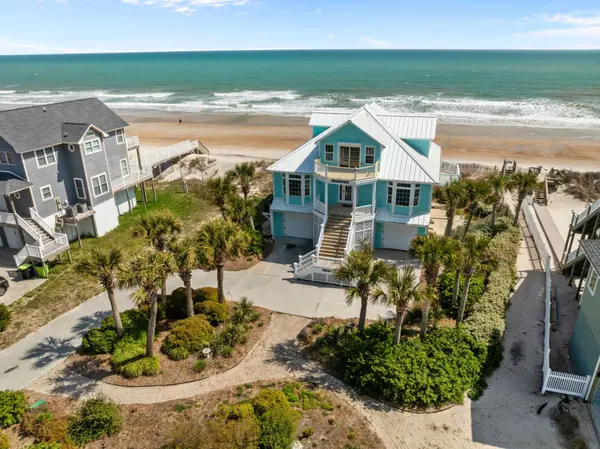
If you're thinking about selling your home in Surf City, Topsail Beach, North Topsail Beach, Wilmington, Jacksonville, Holly Ridge, Sneads Ferry, or elsewhere in Coastal North Carolina, one of the first questions you may ask is:
"Should I price my home based on its tax value?"
The short answer is usually no.
While your property's tax value can provide a useful reference point, it should not be the primary factor used to determine a listing price. In many cases, a home's tax value may differ significantly from what buyers are currently willing to pay in today's market.
Understanding the difference can help you avoid one of the most common pricing mistakes sellers make.
What Is a Tax Value?
In North Carolina, counties assign values to real property for taxation purposes. State law generally requires property to be appraised at its market value as of the county's most recent revaluation date. However, those values are established through a mass appraisal process designed for taxation, not for determining an individual home's current resale value.
A tax value serves an important purpose for calculating property taxes, but it is not necessarily the same as the price a buyer would pay today.
Why Tax Value and Market Value Can Be Different
One reason for the difference is timing.
A county's tax value reflects the property's estimated value as of the most recent revaluation date. As market conditions change, home values may rise or fall while the tax value remains unchanged until the next county-wide revaluation or another qualifying adjustment occurs.
In Coastal North Carolina, market conditions can shift based on factors such as:
- Inventory levels
- Buyer demand
- Mortgage rates
- Waterfront and water-view premiums
- Vacation home demand
- Insurance considerations
- New construction activity
- Seasonal market trends
As a result, a home's current market value may be higher or lower than its tax value.
Why Some Coastal Properties Show Large Differences
Coastal markets often experience pricing influences that are difficult to capture through a county-wide valuation system.
For example, two homes may have similar square footage and tax values, but one may offer:
- Better water views
- Direct beach access
- A private dock
- Updated interior finishes
- Strong vacation rental appeal
- A larger lot
- Newer construction
Those differences can significantly influence what buyers are willing to pay.
Likewise, deferred maintenance, storm-related wear, outdated interiors, or functional issues may reduce market value even when the tax value remains relatively unchanged.
Can Tax Value Still Be Helpful?
Yes.
Tax value can provide context when evaluating a property, especially if the county completed a recent revaluation. In some situations, the tax value may be reasonably close to current market value.
However, it should be viewed as one data point among many, not as a pricing strategy by itself.
Most experienced sellers evaluate:
- Recent comparable sales
- Active competition
- Pending sales activity
- Property condition
- Location advantages
- Buyer demand
- Unique property features
These factors often have a greater impact on pricing decisions than the county tax assessment alone.
What Happens If You Price Solely on Tax Value?
Pricing exclusively from tax records can create problems in either direction.
Pricing Too High
Some homeowners assume their property should sell for significantly more than market evidence supports because the tax value increased during a revaluation.
An inflated asking price can lead to:
- Longer time on market
- Reduced buyer interest
- Fewer showings
- Price reductions later in the process
Pricing Too Low
In other cases, a seller may rely on an outdated tax value that does not reflect recent market appreciation, improvements, or highly desirable property characteristics.
This can result in leaving money on the table.
What Is a Better Way to Determine a Listing Price?
For most homeowners, a comparative market analysis (CMA) provides a more useful starting point than tax value alone.
A CMA evaluates recent sales, current competition, market trends, and property-specific characteristics to estimate where a home may fit within the current market.
Unlike a county-wide valuation system, a CMA focuses on how buyers are actively responding to similar properties in today's market.
For waterfront homes, beach properties, second homes, and vacation properties common throughout Coastal North Carolina, those market-specific factors can be especially important.
Frequently Asked Questions
Is tax value the same as market value?
Not necessarily. North Carolina tax values are intended to reflect market value as of the most recent revaluation date, but market conditions can change over time, creating differences between tax value and current resale value.
Why is Zillow different from my tax value?
Automated valuation models, tax assessments, and professional market analyses all use different methodologies. It's common for those values to differ. Counties and automated valuation systems may rely on different data sets and valuation approaches.
Can I use tax value to estimate my home's worth?
You can use it as a reference point, but most sellers benefit from reviewing current comparable sales and local market activity before determining an asking price.
Final Thoughts
If you're preparing to sell a home in Surf City, Topsail Beach, North Topsail Beach, Wilmington, Jacksonville, Holly Ridge, Sneads Ferry, Pender County, or Onslow County, your tax value can be a useful piece of information—but it should rarely be the sole basis for pricing your home.
The most effective pricing strategies typically consider current buyer demand, comparable sales, property condition, location, and local market trends alongside tax records.
If you're wondering what your property may be worth in today's Coastal North Carolina market, a property-specific analysis can provide a clearer picture than tax value alone and help you make informed decisions before listing.
Categories
Recent Posts



GET MORE INFORMATION