
How Much Negotiating Room Should I Build Into My Asking Price?
How Much Negotiating Room Should I Build Into My Asking Price?
Many homeowners preparing to sell wonder whether they should intentionally price their home above market value to leave room for negotiations. The short answer is: usually not.
While most buyers expect some level of negotiation during a real estate transaction, building too much negotiating room into your asking price can actually reduce interest in your property and lead to a longer time on the market.
The better approach is typically to start with a pricing strategy based on current market conditions, recent comparable sales, your property's condition, and buyer demand in your local market.
Why Sellers Are Tempted to Price High
It's understandable. If you believe buyers will negotiate, it may seem logical to list your home $10,000, $20,000, or even $50,000 above what you hope to receive.
Many sellers assume:
- Buyers will automatically make lower offers.
- A higher list price creates more profit potential.
- There is no downside to starting high and negotiating later.
In reality, buyers today have access to extensive market information and often compare new listings against recently sold homes before deciding whether to schedule a showing. Pricing significantly above market value can discourage qualified buyers from viewing the property in the first place. Comparable sales and current market conditions are among the primary factors used when determining an appropriate asking price.
The Risk of Too Much Negotiating Room
One of the biggest mistakes sellers can make is confusing negotiating room with overpricing.
When a home is priced too aggressively:
- Fewer buyers may schedule showings.
- The property can sit on the market longer.
- Buyers may assume something is wrong with the home.
- Future price reductions may become necessary.
- Buyers may attempt even stronger negotiations after seeing the home remain available.
In many situations, a well-priced home generates more activity and stronger offers than a home that starts significantly above market value. Homes that linger on the market often face increased pressure for price reductions or concessions.
How Much Negotiation Is Typical?
There is no universal percentage that works for every property or market.
The amount of negotiation often depends on:
- Current inventory levels
- Buyer demand
- Property condition
- Location
- Days on market
- Seller motivation
- Financing and contract terms
Industry data shows many homes sell relatively close to their list price in balanced markets, while buyer-favored markets may create more negotiating leverage for purchasers. Comparable sales generally provide a more reliable pricing guide than adding an arbitrary percentage to the asking price.
Coastal North Carolina Factors That Can Affect Pricing Strategy
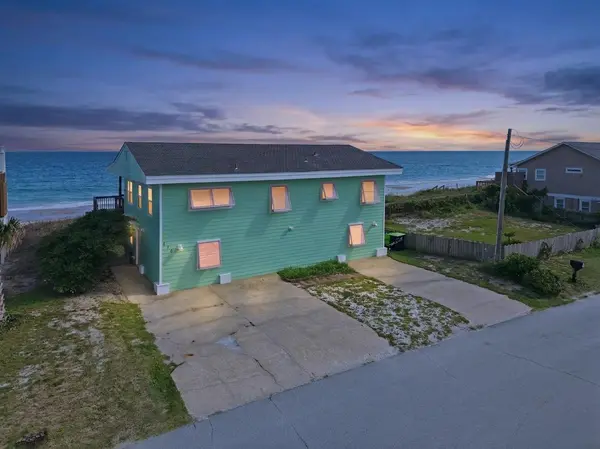
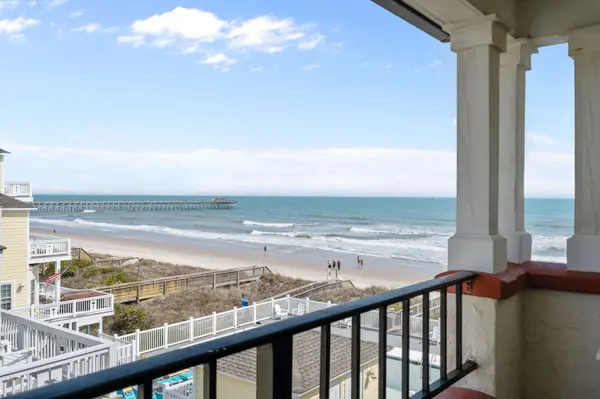
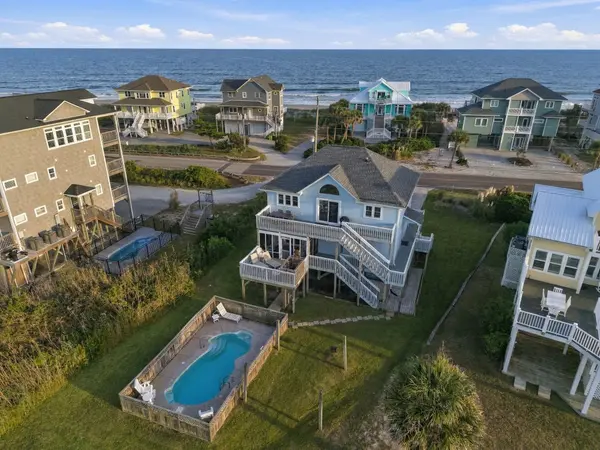
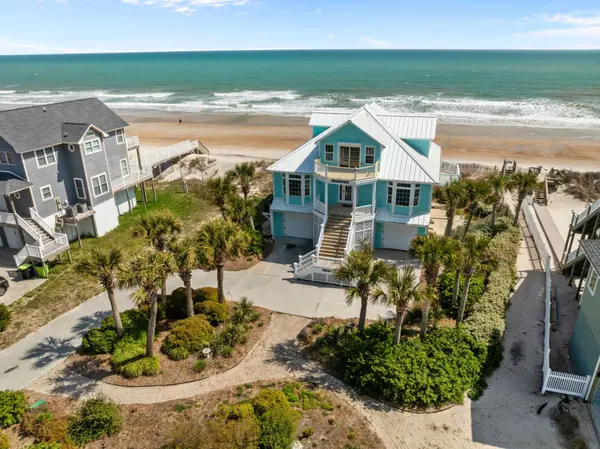
In markets such as Surf City, Topsail Beach, North Topsail Beach, Sneads Ferry, Wilmington, Holly Ridge, and other Coastal North Carolina communities, pricing strategy can be influenced by factors beyond square footage alone.
Examples may include:
- Waterfront location
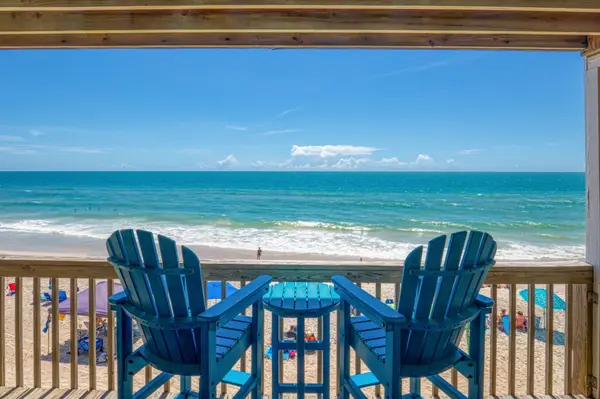
- Ocean views
- Flood zone considerations
- Vacation or second-home demand
- Rental income potential
- Insurance considerations
- Lot characteristics
- Community amenities
- Seasonal buyer activity
A pricing strategy that works for a primary residence in Jacksonville may not be appropriate for an oceanfront property in Topsail Beach or a waterfront home in Surf City.
This is one reason local market knowledge is so important when establishing an asking price.
Consider Negotiating Beyond Price
Many sellers focus exclusively on the sale price, but negotiations often involve much more than the number itself.
Depending on the situation, buyers and sellers may negotiate:
- Closing timelines
- Repair requests
- Seller concessions
- Personal property
- Due diligence terms
- Financing contingencies
- Possession dates
Sometimes a slightly lower purchase price with stronger overall terms can produce a smoother transaction than a higher offer with significant contingencies or uncertainty. Negotiating the entire transaction rather than focusing solely on price often leads to better outcomes.
The Better Question: What Is the Right List Price?
Rather than asking how much negotiating room to build into your asking price, a more productive question is:
What price will attract the strongest pool of qualified buyers while still protecting my bottom line?
The answer typically comes from analyzing recent comparable sales, current competition, local buyer demand, and your property's unique features.
An effective pricing strategy is not about leaving the largest possible negotiating cushion. It's about positioning your home to generate interest, showings, offers, and ultimately a successful closing.
If you're considering selling in Surf City, Topsail Beach, North Topsail Beach, Holly Ridge, Sneads Ferry, Wilmington, Jacksonville, Pender County, or Onslow County, Streamline Realty Team can help you evaluate current market conditions and develop a pricing strategy tailored to your property. A property-specific market analysis can help determine where your home may fit in today's market and how aggressively it should be priced from day one.
Categories
Recent Posts
GET MORE INFORMATION