
Should I Price My Home Differently in a Buyer's Market in Coastal North Carolina?
Should I Price My Home Differently in a Buyer's Market in Coastal North Carolina?
Yes—if you're selling in a buyer's market, your pricing strategy often needs to adjust to current market conditions. That doesn't necessarily mean pricing your home below market value, but it does mean being realistic about buyer expectations, competing inventory, and the amount of negotiating leverage buyers may have.
In a buyer's market, homes that are priced accurately from the start often attract more interest than homes that are intentionally priced high with the expectation of negotiating later. Buyers typically have more choices available, making them less likely to pursue a property they perceive as overpriced.
What Is a Buyer's Market?
A buyer's market generally occurs when the supply of homes for sale exceeds buyer demand. When buyers have more options, they often become more selective and may negotiate more aggressively on price, repairs, closing costs, or other terms.
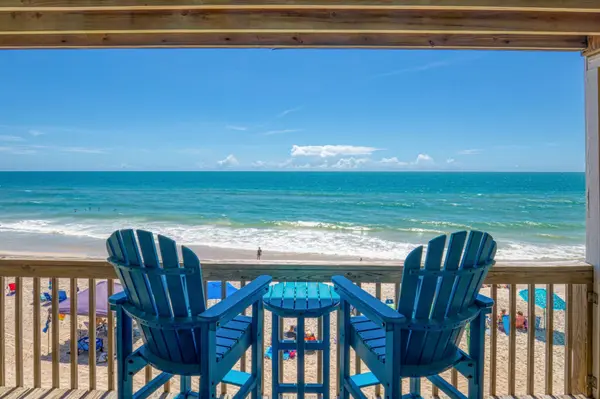
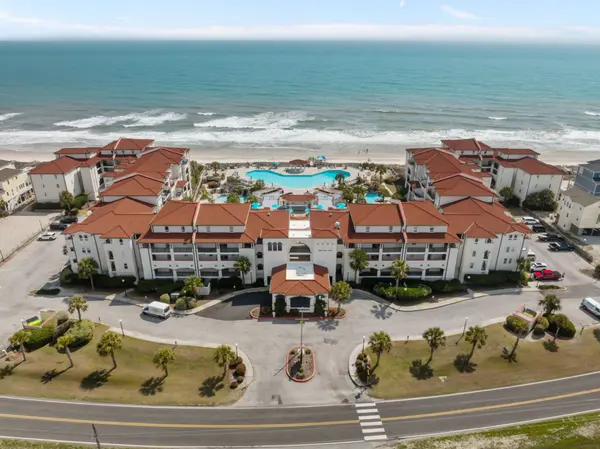
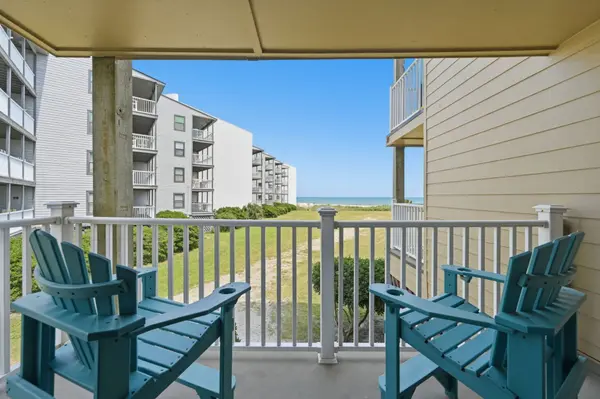
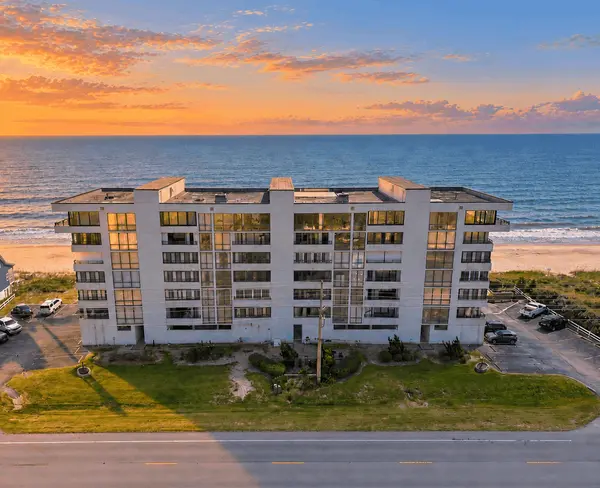
Not every neighborhood, price range, or property type experiences the market in the same way. For example, a waterfront home in Surf City may face different market conditions than a starter home in Jacksonville or a primary residence in Wilmington.
That's why local market analysis matters more than broad national headlines.
Why Overpricing Can Be Risky in a Buyer's Market
Many homeowners assume they should price high to leave room for negotiation. While that strategy may occasionally work, it often creates challenges when buyers have numerous alternatives.
An overpriced home may:
- Receive fewer showings
- Generate less online activity
- Spend more time on the market
- Require future price reductions
- Create the perception that something is wrong with the property
Once a listing becomes stale, buyers may gain even more negotiating leverage. Recent industry reporting has highlighted that pricing realistically from the beginning often helps sellers maintain momentum and avoid costly price reductions later.
Does Pricing Lower Mean You'll Sell for More?
Not necessarily.
Some homeowners hear stories about homes that were intentionally priced below market value and ultimately sold above asking price. While that can happen in highly competitive situations, there is no guarantee it will occur.
The best pricing strategy depends on:
- Current local inventory levels
- Recent comparable sales
- Buyer demand in your specific market segment
- Property condition
- Location
- Your timeline and goals as a seller
In many cases, the strongest approach is not pricing high or pricing low—it's pricing accurately based on current market evidence. Real estate organizations and industry analysts consistently emphasize the importance of comparable sales and current market conditions when determining an asking price.
Coastal North Carolina Factors That Can Affect Pricing
For homeowners in Surf City, Topsail Beach, North Topsail Beach, Holly Ridge, Sneads Ferry, Wilmington, Jacksonville, Pender County, and Onslow County, several local factors may influence pricing strategy.
These may include:
- Waterfront or water-view location
- Flood zone considerations
- Vacation or second-home demand
- Insurance-related buyer concerns
- Availability of competing inventory
- Seasonal market activity
- Military-related relocation activity in areas influenced by Camp Lejeune
The impact of these factors can vary significantly from one property to another, which is why pricing should be based on current comparable sales and active competition rather than generalized assumptions about the market.
Should You Consider Seller Concessions Instead of a Price Reduction?
Sometimes.
In certain situations, offering concessions may be more attractive to buyers than reducing the asking price. Depending on market conditions and buyer needs, sellers may consider contributing toward certain buyer expenses or addressing repair concerns during negotiations.
The best approach depends on the property's market position and the goals of both parties. In some cases, concessions can help preserve the contract price while still making the transaction more attractive to buyers.
How Do You Know If Your Price Is Right?
The most reliable method is reviewing recent comparable sales, current competition, and local buyer activity.
A pricing strategy should consider:
- Recently sold comparable properties
- Similar homes currently on the market
- Properties currently under contract when available
- Current buyer demand
- Property-specific features and condition
- Neighborhood and location factors
A Comparative Market Analysis (CMA) can help homeowners understand where their property fits within the current market and whether adjustments may be needed before listing.
The Bottom Line
If you're selling in a buyer's market, the goal is usually not to simply lower your price—it's to align your pricing strategy with current market realities.
Homes that enter the market with a realistic, data-driven price often have a better opportunity to attract qualified buyers early, maintain momentum, and avoid unnecessary price reductions later. Every property and market segment is different, which makes local analysis especially important in Coastal North Carolina.
If you're considering selling in Surf City, Topsail Beach, North Topsail Beach, Holly Ridge, Sneads Ferry, Wilmington, Jacksonville, Pender County, or Onslow County, Streamline Realty Team can provide a property-specific market analysis to help you understand current market conditions, comparable sales, and potential pricing strategies for your home.
Categories
Recent Posts

GET MORE INFORMATION