
How Do Interest Rates Affect What I Can Sell My Home For in Coastal North Carolina?
How Do Interest Rates Affect What I Can Sell My Home For in Coastal North Carolina?
If you're thinking about selling your home, you've probably heard that interest rates can have a major impact on the real estate market. But how much do they actually affect what you can sell your home for?
The short answer is that interest rates can influence home values, but not always in the way many homeowners expect. While higher rates often reduce buyer purchasing power, home prices are also affected by inventory levels, local demand, employment trends, and the specific characteristics of your property. In many Coastal North Carolina markets, interest rates are only one piece of the pricing puzzle.
Why Interest Rates Matter to Home Buyers
Most buyers finance their purchase with a mortgage. When mortgage rates increase, the monthly payment on the same home becomes more expensive.
For example, a buyer shopping for a home may find that a higher mortgage rate significantly increases their monthly payment even if the home's purchase price remains unchanged. As borrowing costs rise, some buyers reduce their budget, delay their purchase, or become more selective about the homes they consider.
When enough buyers experience reduced affordability, demand can soften, which may place downward pressure on pricing in some markets.
Does a Higher Interest Rate Mean Home Prices Will Fall?
Not necessarily.
One of the biggest misconceptions in real estate is that rising interest rates automatically cause home values to decline. In reality, housing markets are influenced by both supply and demand.
While higher rates may reduce the number of buyers who can comfortably afford a home, they can also reduce the number of homeowners willing to sell. Many existing homeowners have mortgage rates significantly lower than today's rates and may choose to stay put rather than give up their current financing. Researchers often refer to this as the "rate lock" effect.
When fewer homes are listed for sale, inventory remains limited. In some markets, that reduced supply can help support home values even when affordability challenges exist.
What This Means for Coastal North Carolina Sellers
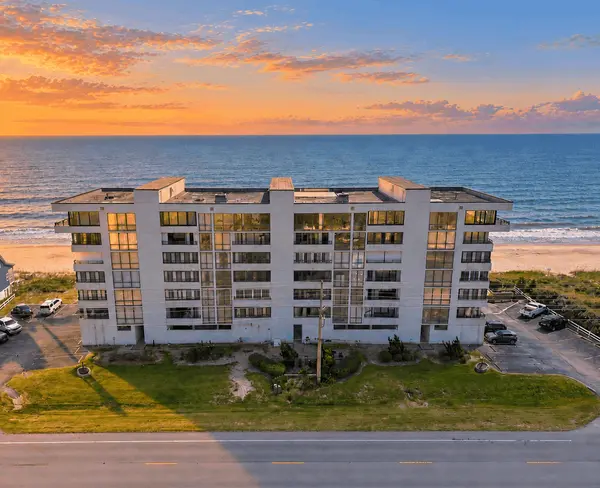
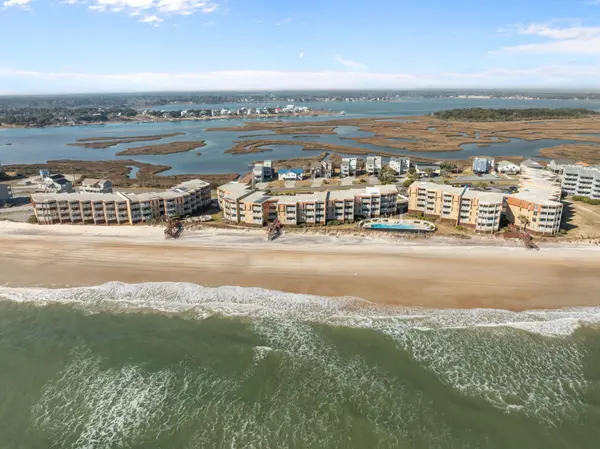
In markets such as Surf City, Topsail Beach, North Topsail Beach, Sneads Ferry, Holly Ridge, Wilmington, and Jacksonville, interest rates are important, but they are rarely the only factor affecting value.
Local conditions often play a larger role, including:
- Available inventory
- Buyer demand
- Military relocation activity
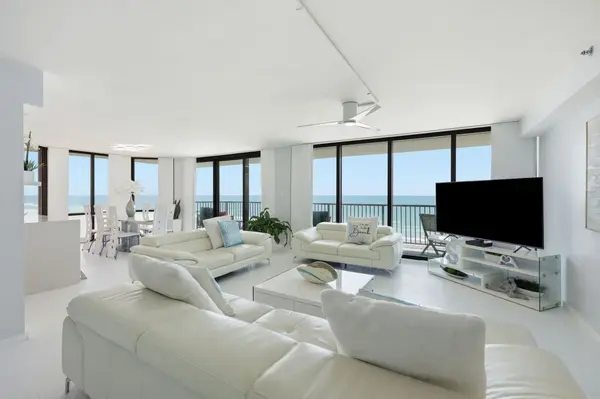
- Waterfront and coastal property demand
- Vacation and second-home purchasing activity
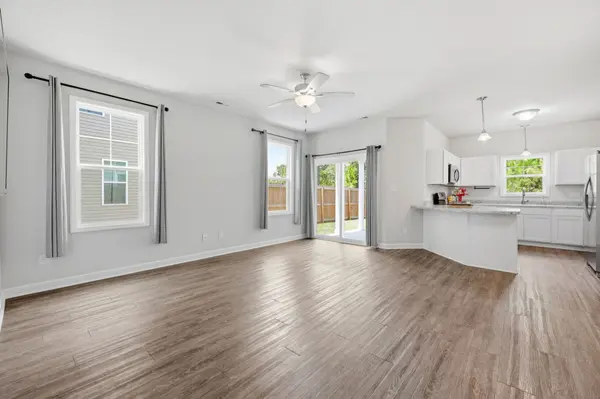
- Property condition and updates
- Location within the community
- Insurance and ownership costs associated with coastal properties
A desirable waterfront property, updated primary residence, or well-positioned home in a supply-constrained neighborhood may continue to attract strong interest even during periods of elevated mortgage rates.
Can Lower Interest Rates Increase Home Prices?
Lower mortgage rates generally improve affordability, allowing more buyers to qualify for financing and potentially increasing competition for available homes. Greater buyer demand can support stronger pricing and faster sales activity. However, lower rates do not guarantee higher home values because market conditions, inventory levels, economic factors, and local demand still matter.
Should You Wait for Rates to Change Before Selling?
For many homeowners, waiting for interest rates to move may not be the most important consideration.
The value of your home today depends on current market conditions, competing inventory, buyer demand, and your property's specific features. Future rate movements are difficult to predict, and changes in rates do not always produce immediate or predictable changes in home values.
Instead of focusing solely on interest rates, sellers are often better served by understanding how their property compares to current competing listings and recent sales within their local market.
The Bottom Line
Interest rates can affect what buyers can afford, which can influence housing demand and ultimately impact home values. However, interest rates are only one factor among many that determine what a home may sell for.
In Coastal North Carolina, local inventory, buyer demand, property condition, location, and market-specific trends often play an equally important role in determining value. A home's market value is ultimately determined by what informed buyers are willing to pay under current market conditions.
If you're considering selling in Surf City, Topsail Beach, North Topsail Beach, Holly Ridge, Sneads Ferry, Wilmington, Jacksonville, Pender County, or Onslow County, a property-specific pricing analysis can provide a much clearer picture than national headlines about interest rates.
Contact Streamline Realty Team for a personalized home value analysis and seller strategy consultation tailored to your property's location, condition, and current market conditions.
Categories
Recent Posts

GET MORE INFORMATION