What Happens If a Pre-Listing Inspection Finds Problems?
What Happens If a Pre-Listing Inspection Finds Problems?
If a pre-listing inspection finds problems, it does not automatically mean your home is difficult to sell. In many cases, discovering issues before listing gives a seller more control over the process. You have time to evaluate the findings, gather estimates, decide whether repairs make sense, and develop a strategy before a buyer becomes involved.
For homeowners in Surf City, Topsail Beach, North Topsail Beach, Holly Ridge, Sneads Ferry, Wilmington, Jacksonville, and surrounding Coastal North Carolina communities, a pre-listing inspection can help reduce surprises later in the transaction and allow for more informed decision-making.
What Is a Pre-Listing Inspection?
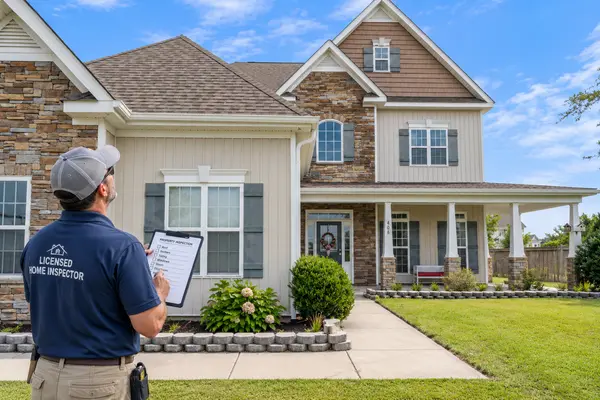
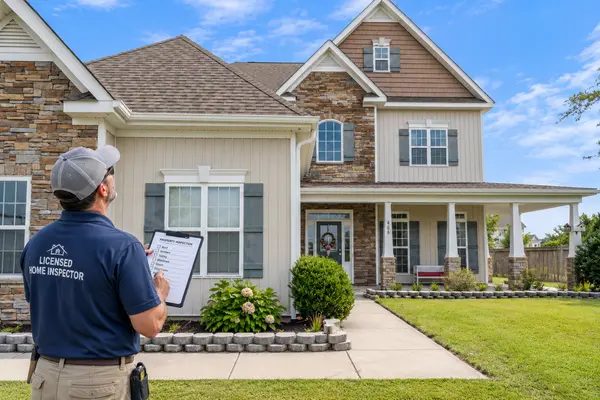
A pre-listing inspection is a home inspection ordered by the seller before the property is placed on the market. The inspection typically evaluates visible and accessible components of the home, including major systems and structural elements. The goal is to identify potential concerns before a buyer conducts their own inspections.
While not every seller chooses to obtain a pre-listing inspection, some homeowners find value in understanding the property's condition before determining pricing, preparing disclosures, or negotiating with buyers.
Not Every Inspection Finding Is a Major Problem
One of the most common misconceptions is that an inspection report should come back "clean."
In reality, most homes—including newer homes—have inspection findings. Many items identified are routine maintenance issues, deferred maintenance, minor repairs, or recommendations for future monitoring.
Common findings may include:
- Loose handrails
- Minor plumbing leaks
- Aging water heaters
- HVAC maintenance items
- Roof maintenance concerns
- Damaged caulking or weather sealing
- Minor wood rot
- Exterior maintenance needs
The presence of inspection findings does not necessarily reduce a home's marketability. The significance of the issue often depends on its severity, cost, and how buyers in the local market perceive it.
Your Options After Problems Are Discovered
When a pre-listing inspection identifies concerns, sellers generally have several possible paths forward.
Option 1: Complete Repairs Before Listing
Some sellers choose to address certain issues before placing the property on the market.
This approach may make sense when:
- Repairs are relatively straightforward.
- The issue could discourage buyers.
- The repair cost is manageable.
- The seller wants to present the home in the strongest possible condition.
For Coastal North Carolina properties, sellers sometimes address maintenance issues related to salt-air exposure, exterior deterioration, moisture intrusion, decks, railings, or other items that buyers commonly notice during inspections.
Option 2: Obtain Estimates and Share Information
In some situations, a seller may decide not to complete repairs but instead obtain estimates from qualified contractors.
Providing documentation can help buyers understand the scope and potential cost of the issue rather than assuming the worst. This approach may be particularly useful when contractor availability or timing makes repairs difficult before listing.
Option 3: Adjust Pricing Strategy
Some sellers choose to account for known issues through pricing rather than completing repairs.
For example, if a home requires significant updates or a major system replacement, a seller may decide to price the property accordingly and allow a future buyer to make improvements after closing.
The appropriate pricing strategy depends on the property's condition, competition, buyer demand, and overall market conditions.
Option 4: Sell in Current Condition
Some homeowners decide to sell without making repairs.
North Carolina transactions are often marketed as being sold in the property's current condition unless the parties agree otherwise. However, buyers may still conduct inspections and evaluate the property's condition during the transaction process.
Whether selling in current condition makes sense depends on the home's condition, the target buyer pool, and the seller's overall goals.
What About Disclosure Requirements?
This is one of the most important considerations for sellers.
When a pre-listing inspection reveals conditions that become known to the property owner, those findings may affect how the seller completes required disclosure forms or otherwise addresses known property conditions. North Carolina's residential disclosure laws are based on the seller's actual knowledge of the property.
Because disclosure obligations can depend on the specific facts and circumstances, sellers should discuss disclosure questions with their real estate professional and, when appropriate, seek guidance from qualified legal counsel.
Will Buyers Still Get Their Own Inspection?
Usually, yes.
Even if a seller obtains a pre-listing inspection, buyers often choose to hire their own inspector. North Carolina real estate professionals generally encourage buyers to obtain independent inspections rather than relying solely on reports prepared for others.
For that reason, a pre-listing inspection should not be viewed as a replacement for the buyer's inspection. Instead, it is a tool that may help sellers prepare for issues that could arise later.
Are Pre-Listing Inspections Worth It?
The answer depends on the property and the seller's goals.
A pre-listing inspection may be particularly valuable when:
- The home is older.
- The property has not been evaluated recently.
- The seller wants to minimize surprises.
- Significant maintenance concerns may exist.
- The seller wants additional confidence before pricing the home.
For some homeowners, the biggest benefit is not necessarily the repairs themselves. It is the opportunity to make decisions before a buyer is under contract and before negotiations become time-sensitive.
Final Thoughts
Finding problems during a pre-listing inspection is not necessarily bad news. In many cases, it provides valuable information that allows a seller to prepare, plan, and make informed decisions before listing the property.
Whether the solution involves repairs, pricing adjustments, documentation, or simply understanding the home's condition, having information early often gives sellers more options than discovering the same issues after a buyer is already under contract.
If you're considering selling a home in Surf City, Topsail Beach, North Topsail Beach, Holly Ridge, Sneads Ferry, Wilmington, Jacksonville, Pender County, or Onslow County, Streamline Realty Team can help you evaluate whether a pre-listing inspection makes sense for your situation and develop a strategy based on your property's condition and goals.
Categories
Recent Posts


GET MORE INFORMATION