
Should I Repair Minor Cosmetic Issues Before Listing a Home in Coastal North Carolina?
Should I Repair Minor Cosmetic Issues Before Listing?
In many cases, yes. Minor cosmetic repairs are often some of the most cost-effective improvements a homeowner can make before listing a property. While not every scratch, scuff, or worn fixture needs to be addressed, small cosmetic issues can influence how buyers perceive the overall condition of a home.
For homeowners in Surf City, Topsail Beach, North Topsail Beach, Holly Ridge, Sneads Ferry, Wilmington, Jacksonville, and surrounding Coastal North Carolina communities, the goal is usually not perfection. The goal is helping buyers focus on the home's strengths rather than its minor flaws.
What Counts as a Minor Cosmetic Issue?
Cosmetic issues are generally items that affect appearance more than function. Examples may include:
- Scuffed or marked walls
- Small nail holes from artwork
- Worn or dated light fixtures
- Loose cabinet hardware
- Minor drywall blemishes
- Faded paint
- Worn caulking around tubs and sinks
- Scratches on flooring
- Minor landscaping cleanup
These items are different from significant property defects involving roofing, structural components, HVAC systems, plumbing, electrical systems, drainage issues, or other material concerns.
Why Cosmetic Issues Matter to Buyers
Most buyers understand they are purchasing a lived-in home. However, buyers often use visible conditions to form opinions about the property's overall maintenance.
A home with numerous small cosmetic issues can unintentionally create the impression that larger maintenance concerns may also exist. Conversely, a property that appears clean, cared for, and well-maintained often feels more move-in ready, even if it is not completely updated. Real estate professionals frequently note that visible deferred maintenance, peeling paint, worn finishes, and outdated appearance can negatively influence buyer perception.
Which Cosmetic Repairs Usually Provide the Most Value?
Not every repair generates a meaningful return. Before spending money, it helps to focus on improvements that have the greatest visual impact.
Many sellers in Coastal North Carolina benefit from:
Fresh Paint
Neutral, clean paint can make a home feel brighter and more updated. Touching up high-traffic areas is often one of the most affordable ways to improve presentation.
Minor Exterior Improvements
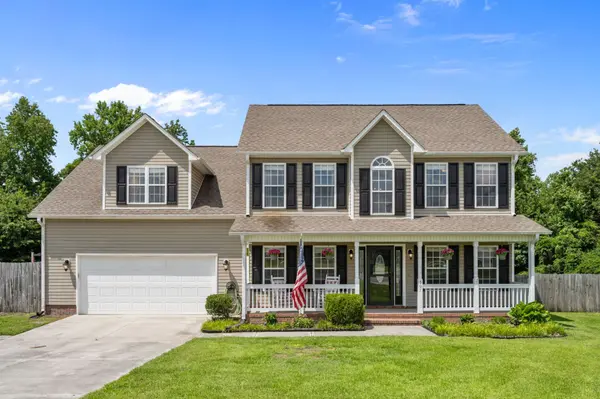
First impressions matter. Pressure washing, trimming landscaping, cleaning walkways, and touching up exterior paint can improve curb appeal without major expense.
Hardware and Fixture Updates
Replacing dated cabinet pulls, light fixtures, or worn switch plates can provide a more modern appearance at a relatively low cost.
Flooring Touch-Ups
Minor scratches, damaged transitions, or heavily worn areas may be worth addressing if they stand out during showings.
When It May Not Make Sense to Repair Cosmetic Issues
Some cosmetic issues simply do not justify the expense.
For example, replacing perfectly functional countertops, remodeling bathrooms, or installing entirely new flooring throughout a home may not produce enough additional value to recover the cost before selling.
Similarly, if a property is likely to attract buyers who plan extensive renovations, large cosmetic upgrades may have little influence on their purchasing decision.
The key is determining which improvements help marketability and which improvements are unlikely to affect buyer interest or offers.
Coastal North Carolina Considerations
In coastal markets such as Topsail Island, Surf City, and North Topsail Beach, buyers often pay close attention to maintenance because coastal properties are exposed to salt air, humidity, wind, and weather conditions that can accelerate wear.
Small maintenance items such as peeling exterior paint, corroded hardware, damaged trim, or deferred exterior upkeep may attract more attention in coastal environments because buyers often view them as indicators of ongoing maintenance requirements.
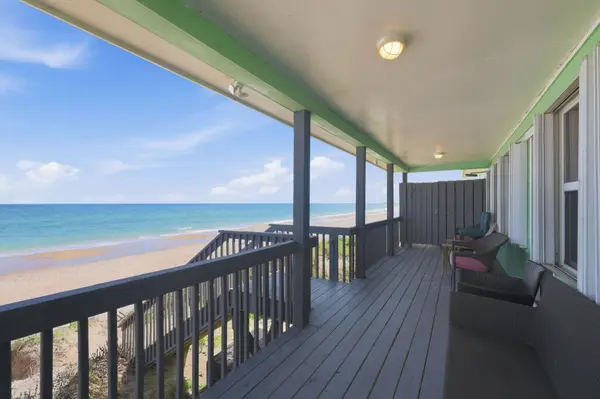
For waterfront, oceanfront, and vacation properties, presentation can be especially important because many buyers are evaluating the property both as a residence and as a potential investment.
What If I Plan to Sell "As Is"?
Some sellers choose to market a property in its current condition and may not intend to make repairs. In North Carolina, selling a property "as is" generally means the seller does not plan to make repairs, but buyers still commonly conduct inspections and evaluate the property's condition during their due diligence process. An "as is" sale does not eliminate disclosure obligations or prevent buyers from performing inspections.
That does not necessarily mean cosmetic repairs are irrelevant. Even when a property is being sold in its current condition, improving appearance can still help attract more buyer interest and stronger offers.
Should You Complete the Repairs Before Listing?
The answer depends on the property's condition, price range, target buyer, and local market competition.
In many cases, addressing visible cosmetic issues before listing is more affordable and less stressful than negotiating buyer concerns after the home is on the market. The objective is not creating a perfect home. The objective is presenting a well-maintained property that allows buyers to focus on its value, location, and features.
A pre-listing consultation can often help identify which repairs are worth making and which can safely be left alone.
If you're considering selling a home in Surf City, Topsail Beach, North Topsail Beach, Holly Ridge, Sneads Ferry, Wilmington, Jacksonville, Pender County, or Onslow County, Streamline Realty Team can help you evaluate your property's condition, identify improvements that may enhance marketability, and develop a listing strategy tailored to your specific home and goals.
Categories
Recent Posts



GET MORE INFORMATION