
How Can I Tell If a Realtor Has a Real Marketing Plan?

How Can I Tell If a Realtor Has a Real Marketing Plan?
When you're preparing to sell your home, one of the most important questions to ask a prospective listing agent is: What is your marketing plan for my property?
A Realtor who has a real marketing plan should be able to explain exactly how they intend to present your home, where they plan to promote it, who they are trying to reach, and how they will evaluate whether the marketing is working.
A marketing plan should be more than a promise to put your home in the MLS, add a few photographs, and post it on social media. It should be a thoughtful strategy built around your property's features, location, likely buyers, and current market conditions.
For homeowners selling in Surf City, Topsail Beach, North Topsail Beach, Holly Ridge, Sneads Ferry, Wilmington, or Jacksonville, the right marketing approach can be especially important. A primary residence, oceanfront condominium, waterfront property, and vacation rental investment may each appeal to a different audience and require different marketing considerations.
Before choosing a listing agent, here's how to determine whether they have a genuine plan or are simply telling you what you want to hear.
1. They Can Explain Exactly How They Will Market Your Property
A Realtor with a real marketing plan should be able to walk you through the steps they intend to take to introduce your property to the market.
You should not have to settle for vague statements such as:
-
"We'll get your home plenty of exposure."
-
"We'll put it everywhere."
-
"We have a lot of buyers."
-
"We'll use social media to promote it."
Those statements may sound encouraging, but they don't explain what will actually happen.
Ask the agent to describe their marketing process. For example:
-
Where will your property be advertised?
-
What photography and visual materials will be used?
-
Will your listing include a detailed property description?
-
How will the agent promote the property beyond its initial launch?
-
How will interested buyers be directed toward scheduling a showing?
-
How will the agent evaluate the effectiveness of the marketing?
A good listing presentation should give you a clear understanding of what to expect before your home goes on the market.
2. They Have a Professional Photography and Presentation Strategy
Your home's online presentation is often one of the first opportunities to make an impression on prospective buyers.
Professional photography should be an important part of the marketing conversation. However, a strong presentation involves more than simply hiring a photographer.
Ask how the agent plans to showcase the features that make your property appealing.
Depending on the property, marketing materials may include:
-
Professional interior and exterior photography.
-
Aerial photography or drone imagery when appropriate and permitted.
-
Video walkthroughs.
-
Virtual tours or interactive floor plans.
-
Detailed property descriptions.
-
Photography highlighting outdoor living spaces and community amenities.
In Coastal North Carolina, presentation can be particularly important when a property offers features that may not be fully appreciated through standard interior photographs.
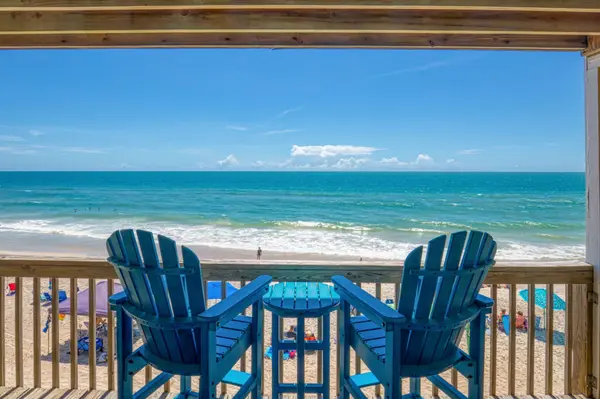
For example, a Surf City home with ocean views, a Topsail Beach property with private beach access, or a Sneads Ferry home with a private dock may benefit from photography that communicates the property's setting and lifestyle.
The question isn't simply whether an agent uses professional photography. It's whether they understand how to present your particular property in a way that helps prospective buyers recognize its value.
3. They Can Explain Where Your Home Will Be Advertised
A real marketing plan should identify the channels the agent intends to use to promote your property.
Ask where buyers will be able to find your listing and how the agent plans to reach potential buyers.
Marketing channels may include:
-
The Multiple Listing Service (MLS).
-
Real estate search websites and listing platforms.
-
The brokerage's website.
-
The real estate team's website.
-
Facebook and Instagram.
-
Email marketing to appropriate contacts.
-
Direct communication with agents who may be working with prospective buyers.
-
Digital advertising when appropriate for the property and marketing budget.
However, simply naming these platforms isn't enough.
Ask how your property will be presented on each platform. Will the agent use different content for social media than for the MLS? Will they create a property-specific video? Will they share the listing with their professional network?
A thoughtful plan considers how different channels work together rather than treating every marketing platform as another place to copy and paste the same listing information.
4. They Understand Who the Likely Buyers Are
Not every property appeals to the same type of buyer.
A Realtor should be able to discuss who may be interested in your home and why.
For example, the likely audience for a coastal property may differ depending on its location, features, price, and intended use.
Consider these examples:
-
Oceanfront properties: May attract buyers interested in beachfront living, vacation use, or investment opportunities.
-
Waterfront homes: May appeal to buyers who prioritize boating, water access, or outdoor recreation.
-
Primary residences: May attract buyers focused on schools, commuting, neighborhood amenities, and everyday convenience.
-
Vacation properties: May attract buyers evaluating location, ownership costs, rental potential, and personal use.
-
Homes near military installations: May appeal to buyers relocating to the area or seeking convenient access to military employment.
These are potential buyer audiences, not guaranteed sources of demand.
A good listing agent should understand how your property's features connect with the needs and priorities of prospective buyers.
Ask this question:
"Who do you think is most likely to buy my home, and how will you reach them?"
The answer should demonstrate that the agent has thought about your specific property rather than relying on a generic marketing strategy.
5. They Have a Plan for More Than the First Week
Getting a listing launched is important, but marketing shouldn't end after the initial announcement.
Ask what happens if your property does not receive the attention or showing activity you expected.
A Realtor with a thoughtful marketing strategy should be able to explain how they will monitor activity and determine whether adjustments are appropriate.
This may include reviewing:
-
Online listing activity and engagement.
-
Buyer inquiries.
-
Showing requests and completed showings.
-
Feedback from prospective buyers and their agents.
-
Comparable properties currently competing with yours.
-
Changes in the local market.
-
Whether the property's presentation or pricing strategy needs to be reconsidered.
For example, if your home is receiving online attention but very few showing requests, the agent should be willing to discuss what that information may indicate.
If showings are taking place but buyers consistently identify the same concerns, those observations may help determine whether changes to the presentation, condition, or pricing strategy deserve consideration.
The important distinction is that a real marketing plan includes ongoing evaluation, not just an initial launch.
6. They Can Show You Examples of Their Marketing
One of the easiest ways to evaluate an agent's marketing ability is to ask to see examples of their previous listing campaigns.
Don't just look at the number of homes they've sold. Look at how those homes were presented.
Ask to see:
-
Previous listing photographs.
-
Property videos.
-
Social media campaigns.
-
Listing descriptions.
-
Marketing brochures or property information sheets.
-
Examples of how unique property features were highlighted.
Pay attention to the quality and consistency of the materials.
Do the photographs make the properties look appealing and accurately represent them? Are the descriptions informative? Does the marketing communicate what makes each property different?
For coastal properties, look for examples that effectively showcase waterfront features, outdoor living areas, beach access, community amenities, and other property-specific selling points.
You should also ask whether the examples reflect the level of marketing your own property would receive.
A Realtor's past marketing examples can help you understand their approach, but remember that previous results do not guarantee the same outcome for your home.
7. They Can Explain How They Will Communicate With You
Marketing your property should be a collaborative process.
You should understand how frequently your agent will provide updates, what information they will share, and how you can discuss potential adjustments.
Before hiring an agent, ask:
-
How often will I receive updates?
-
Will you share online activity and showing feedback?
-
Who should I contact if I have questions?
-
How quickly can I expect a response?
-
How will we discuss changes if the marketing isn't producing the desired activity?
Communication is particularly important when selling a property that may attract buyers from outside the immediate area.
For example, a vacation property on Topsail Island may generate inquiries from buyers who are not currently living in Coastal North Carolina. Your agent should be prepared to communicate with interested parties and coordinate the next steps.
A marketing plan should include a communication strategy so you aren't left wondering what is happening after your property goes live.
8. They Don't Promise Results They Cannot Control
Be cautious of an agent who guarantees a certain sale price, promises a specific number of offers, or assures you that your home will sell within a particular timeframe simply because of their marketing.
Marketing is important, but it is only one part of the selling process.
Other factors influence the outcome, including:
-
Your property's condition.
-
Its location and features.
-
The asking price.
-
Current buyer demand.
-
Competing properties.
-
Financing and market conditions.
-
The terms of offers received.
A strong Realtor should be confident in their marketing strategy while remaining realistic about what they can and cannot control.
You want an agent who can explain their approach, support their recommendations, and adjust the strategy when circumstances warrant it.
Honest expectations are more valuable than impressive promises that may not be achievable.
9. Questions to Ask a Realtor Before Signing a Listing Agreement
If you're interviewing multiple listing agents, asking the same questions can help you make a more informed comparison.
Here are nine questions worth asking:
-
Can you walk me through your marketing plan for my specific property?
-
What professional photography or video services do you recommend?
-
Where will my home be advertised?
-
How will you identify and reach the most likely buyers?
-
What will you do to promote my property beyond the initial listing launch?
-
Can I see examples of marketing you've created for previous listings?
-
How will you track buyer interest and showing activity?
-
How frequently will you communicate with me about the marketing?
-
What adjustments would you consider if the initial marketing isn't generating the expected response?
Pay attention not only to the answers but also to how specifically the agent responds.
A prepared listing agent should be able to explain their process without relying entirely on generic promises.
10. What Should a Real Estate Marketing Plan Include?
Before selecting your listing agent, you should have a general understanding of what a complete marketing plan looks like.
Although the specific strategy will vary by property, a comprehensive plan should address several important areas.
|
Marketing Component |
What You Should Expect |
|---|---|
|
Property preparation |
Recommendations for presenting your home |
|
Photography |
Professional images that highlight important features |
|
Listing presentation |
Accurate, compelling property description |
|
Online exposure |
Identified listing platforms and digital channels |
|
Social media |
Property-specific promotional content |
|
Buyer targeting |
Understanding of the likely buyer audience |
|
Ongoing promotion |
Continued marketing after launch |
|
Performance review |
Monitoring activity and buyer feedback |
|
Communication |
Regular updates and recommendations |
You should also understand which services are included in the proposed marketing plan, which may involve additional costs, and whether any outside vendors or services require separate arrangements.
The goal is to know exactly what your listing agent is proposing before you make your decision.
Final Thoughts: A Marketing Plan Should Be Specific to Your Home
A Realtor's marketing plan should be more than a presentation designed to win your listing. It should be a practical strategy that explains how your property will be prepared, presented, promoted, and monitored throughout the selling process.
For homeowners in Surf City, Topsail Beach, North Topsail Beach, Holly Ridge, Sneads Ferry, Wilmington, Jacksonville, and the surrounding Coastal North Carolina communities, choosing an agent who understands how to market the unique features of your property is an important part of preparing to sell.
Before signing a listing agreement, ask to see the plan. Ask questions. Request examples. Make sure you understand what the agent intends to do and how they will communicate with you along the way.
Thinking About Selling Your Coastal North Carolina Home?
At Streamline Realty Team, we believe homeowners should understand the strategy behind marketing their property before making a listing decision.
If you're considering selling, we invite you to start with a conversation about your property, your goals, and the marketing approach that may make sense for your situation.
Contact Streamline Realty Team, Powered by Real Broker, LLC, to discuss your property and learn more about preparing it for the market.
Categories
Recent Posts





GET MORE INFORMATION